







From Sun-Seeking to Comfort-Seeking
For generations, the ultimate vacation involved chasing the sun. We booked trips to the Mediterranean, Southeast Asia, and the Caribbean with the expectation of warmth and sunshine. But in recent years, that simple equation has been complicated by a new
reality: extreme weather. Record-breaking heatwaves in Europe, devastating wildfires, and unpredictable monsoons have turned dream holidays into endurance tests. Travellers are finding that scorching 40-degree temperatures make exploring cities unbearable and beach days a health risk. As a result, a fundamental shift is underway. Instead of just hoping for good weather, travellers are actively planning for it. They are trading the gamble of peak-season heat for the guarantee of comfort, making pleasant, predictable weather the most sought-after travel amenity of all. This isn't just about avoiding disaster; it's about reclaiming the very essence of a holiday: relaxation and enjoyment.
The Rise of the 'Cool-cation'
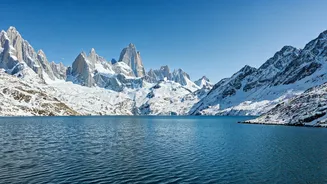
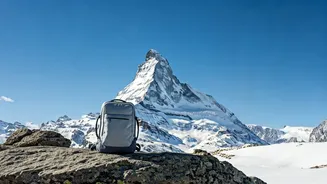
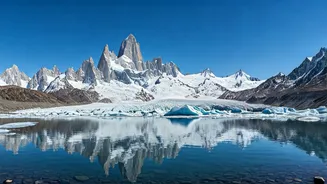
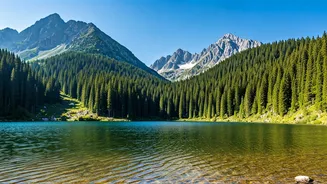
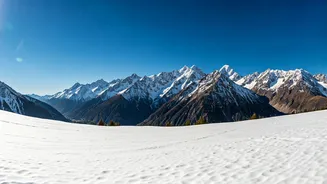
This growing desire for milder climates has given rise to a new travel trend: the 'cool-cation'. It’s the simple idea of choosing a destination specifically to escape the heat. Travel platforms have seen a dramatic spike in searches for getaways to cooler regions. For Indian travellers, this trend is manifesting in two ways. Firstly, there's a growing interest in international destinations known for their temperate climates, such as Switzerland, Scandinavia, and even South Korea for its crisp winters. Instead of sweating through a European summer, people are opting for alpine meadows and scenic Nordic fjords. Secondly, there’s a renewed appreciation for domestic destinations that offer respite from the plains' scorching heat. While classic hill stations like Shimla and Manali remain popular, travellers are also exploring lesser-known, quieter valleys in Himachal Pradesh and Uttarakhand to find peace and pleasant weather.
What Makes a Destination a 'Luxury' Climate
So what defines this new ideal? It’s not about finding the cold, but about finding balance and predictability. A 'weather-proof' destination is one where you can comfortably walk around midday, enjoy a meal outdoors, and sleep soundly without needing constant air conditioning. It's a place where the climate allows you to fully use and enjoy your surroundings. Destinations like Slovenia, Iceland, and Norway are seeing a surge in interest because they offer stunning natural beauty without the threat of oppressive heat. This shift is forcing a re-evaluation of the tourism map. While Spain and Italy will always have their charm, tourism experts note that demand is spreading to the shoulder seasons—spring and autumn—when the weather is more manageable. This benefits travellers by offering a more pleasant experience and helps destinations by easing the pressure of over-tourism during the hottest months.
An Industry Adapting to a New Climate
The travel industry is taking note of this significant behavioural shift. Airlines and tour operators are adding capacity to cooler destinations in response to rising demand. Some innovative companies have even started offering 'weather guarantees', providing partial refunds if a trip is ruined by excessive heat or rain, effectively turning climate comfort into a bookable feature. This change also has a major economic impact. Regions that were once considered off-season or secondary destinations are now becoming prime spots for summer travel. This creates new opportunities for local economies in places from the coasts of Ireland to the mountains of Georgia. Conversely, tourism-dependent economies in hotter regions are facing the challenge of adapting their offerings, promoting their attractions in cooler months, and investing in infrastructure that can handle extreme temperatures while keeping visitors comfortable. The message is clear: in the business of travel, climate is no longer a passive backdrop but an active driver of value.