

The Great Indian Travel Shift
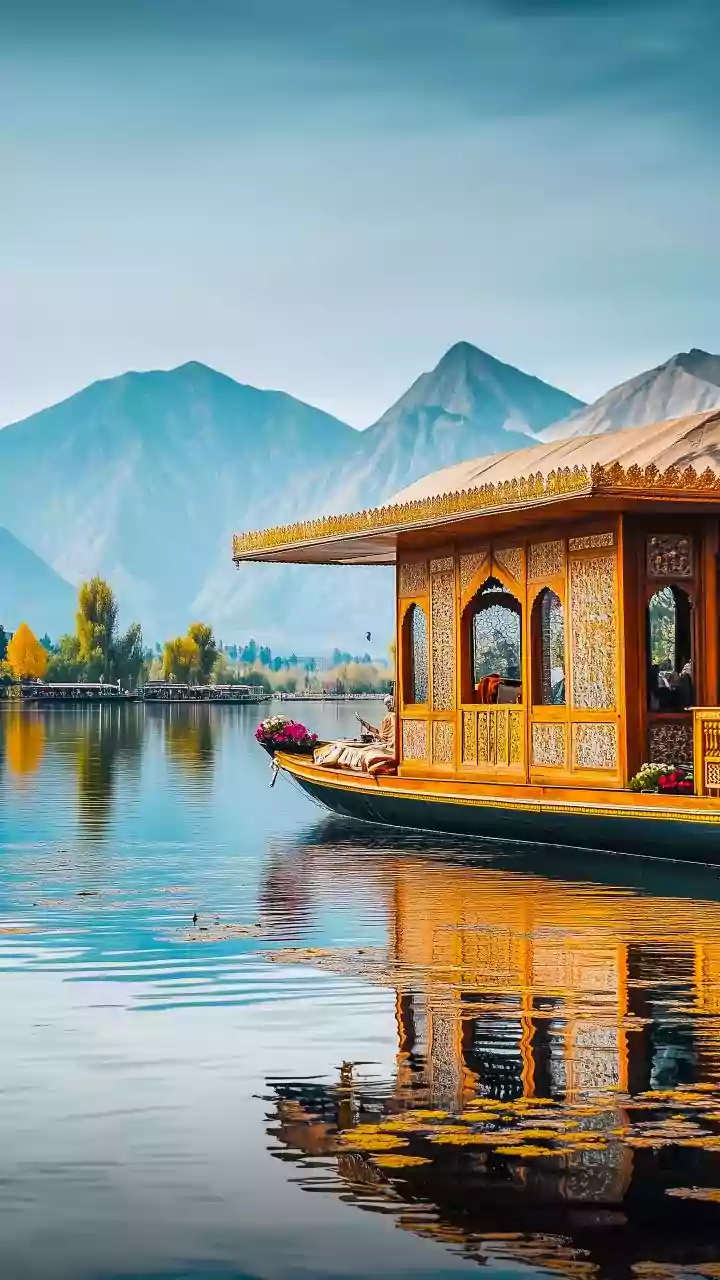
The script for the quintessential Indian holiday is being rewritten. For decades, tourism often meant a predictable circuit of major cities and popular coastal spots. Today, a significant trend is emerging: the rise of the road less travelled. Domestic
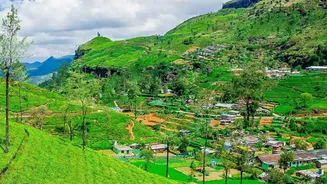
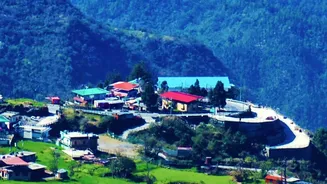
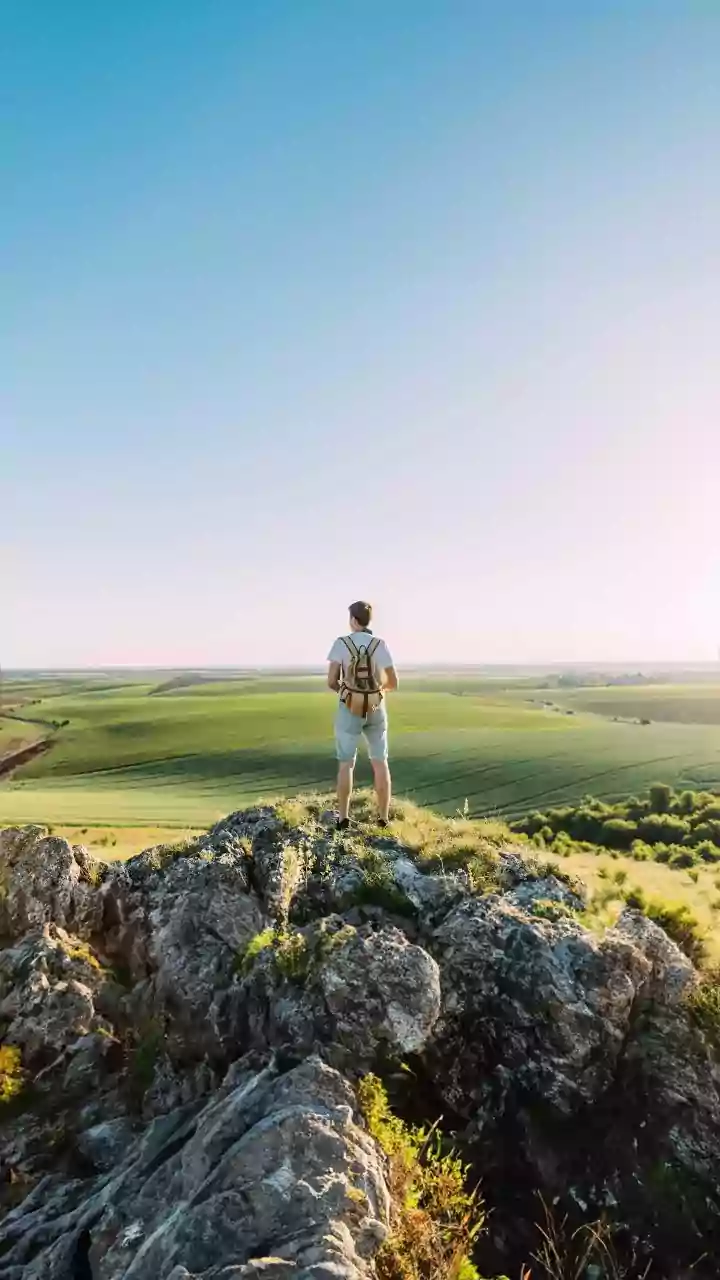
tourism is booming, and with it, a newfound appreciation for the quiet charm of rural life and the thrill of the wild. Travellers are increasingly bypassing conventional hotspots in favour of tranquil villages, serene nature trails, and immersive wildlife encounters. This isn't just a fleeting trend; it's a fundamental shift in travel priorities, driven by a collective yearning for open spaces, meaningful experiences, and a genuine connection with both nature and culture. This growing demand is redrawing the tourism map, bringing previously overlooked regions into the spotlight.
What's Fuelling the Change?
Several factors are driving this migration away from the mainstream. The post-pandemic world has undeniably accelerated a desire for less crowded destinations. Furthermore, the rise of remote work has untethered many from their office desks, creating a new class of 'workationers' who can blend productivity with exploration from a hillside homestay or a forest lodge. There is also a growing consciousness among travellers, particularly younger generations, who are influenced by social media showcasing 'hidden gems' and who prioritise sustainability and authenticity. They want their travel to mean something more, seeking experiences that are not only Instagrammable but also enriching and responsible. Improved infrastructure, like new highways, has also made previously remote areas more accessible, encouraging circuit-based travel that links multiple rural or wildlife destinations.
The Homestay Economy Boom
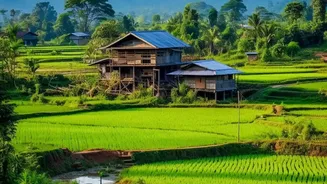
At the heart of this rural tourism surge is the humble homestay. By opening their homes to travellers, families in rural areas across India are becoming micro-entrepreneurs. This has sparked a powerful grassroots economic engine. Studies show that homestay programs lead to significant income growth, job creation, and improved living standards in rural communities. The financial benefits are often reinvested into education and healthcare, creating a virtuous cycle of development. This model does more than just provide a bed for the night; it offers tourists an authentic, immersive cultural experience, from sharing home-cooked meals to participating in local traditions. This direct interaction benefits both sides: travellers gain a deeper understanding of the local way of life, while hosts gain a sustainable livelihood that empowers the entire community, particularly women.
A New Chapter for Wildlife Tourism
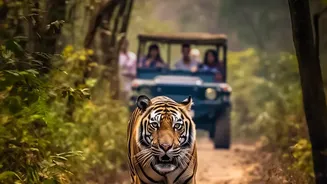
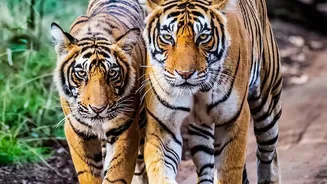
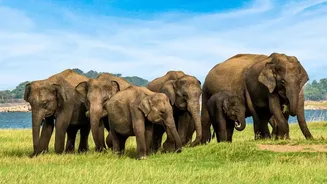
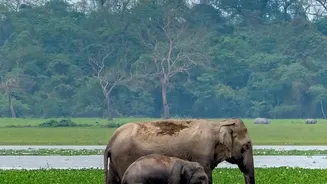
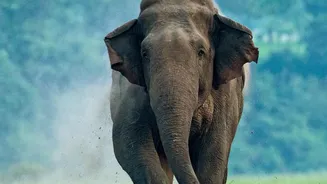
Wildlife tourism in India is also evolving. While the iconic tiger safari remains a major draw, the focus is broadening to a more holistic appreciation of nature. The new wave of wildlife tourism encourages 'slow' travel, where the experience is about more than just a single sighting. It’s about understanding the ecosystem through birdwatching, nature walks with local guides, and learning about conservation efforts. This responsible approach turns tourism into a tool for conservation. Revenue generated from park fees, eco-friendly lodges, and guided tours directly funds anti-poaching patrols, habitat restoration, and community-led conservation projects. When local communities have a direct stake in protecting wildlife because it provides their livelihood, they become the most effective guardians of their natural heritage.
Navigating the Path Forward
This burgeoning interest in rural and wildlife destinations is not without its challenges. The very charm of these 'untouched' places makes them vulnerable. There is a real risk of fragile ecosystems being overwhelmed by an influx of visitors, a phenomenon known as over-tourism. Ensuring that development is sustainable is crucial. This means investing in eco-friendly infrastructure, managing waste responsibly, and preventing the commercialisation that can dilute local culture. The key is to manage growth carefully, ensuring that the economic benefits are distributed equitably and that the natural and cultural heritage that attracts tourists in the first place is preserved for generations to come.