






A New Peak Season Emerges
For years, the Indian travel calendar was predictable, but the monsoon was strictly off-season. That is no longer the case. Recent data reveals a fundamental shift, with the rainy months becoming a preferred travel window. According to a trends tracker
from online platform Cleartrip, hotel bookings have jumped by nearly 54% year-on-year, but the most dramatic change is in bus bookings, which have surged by a staggering 140%. This isn't just about off-season discounts; it's a structural change in how Indians approach leisure. Travellers are actively seeking out rain-washed landscapes, cooler temperatures, and the unique, nature-based experiences that the monsoon provides.
The Allure of the Open Road
The massive spike in bus bookings points to a renewed love affair with the road trip. A combination of factors is making buses the preferred mode of transport for these monsoon escapes. Skyrocketing airfares and persistent waitlists on trains have made bus travel a more reliable and cost-effective alternative. This is especially true for spontaneous, short-haul trips planned over a weekend. Furthermore, the very nature of monsoon destinations—often scenic hill stations or remote coastal towns—makes direct bus connectivity a significant advantage over flights and trains. As one industry expert noted, travellers are embracing buses as a convenient and accessible mode of transportation.
Destinations Driving the Demand
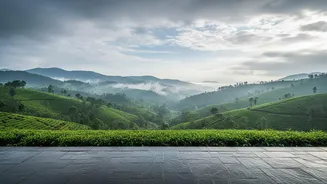
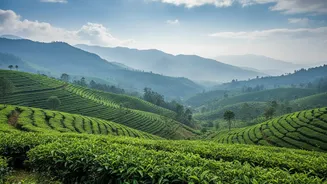
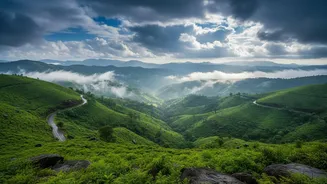
The trend is most visible on routes leading to classic monsoon havens. Hill stations in the Western Ghats are a major draw, with destinations like Lonavala, Mahabaleshwar, Munnar, Wayanad, and Coorg seeing huge interest from nearby cities like Mumbai, Pune, and Bengaluru. Wayanad in Kerala has emerged as a breakout star, recording a jaw-dropping 160% growth in hotel bookings. Other southern gems like Kodaikanal and Ooty have also seen bookings climb by over 70%. The trend extends beyond the south; the Northeast is also a fast-growing monsoon hub, with Nagaland and Arunachal Pradesh seeing hotel bookings jump by over 90%. Even Goa is experiencing a monsoon renaissance, with bookings up 110% as visitors discover its quieter, greener side.
More Than Just a Cheaper Ticket
The perception of bus travel itself has undergone a major transformation. The industry has evolved far beyond basic transport. Today's travellers can choose from a fleet of modern, premium AC coaches, including sleeper and semi-sleeper options that make overnight journeys comfortable. Online booking platforms like redBus and AbhiBus have simplified the entire process, offering real-time tracking, easy cancellations, and transparent pricing. This convenience, coupled with the ability to reach offbeat destinations that lack air or rail connectivity, has elevated the bus from a budget option to a smart choice for modern travellers who prioritize flexibility and direct access.
A Trend Fueled by a New Mindset
Ultimately, the monsoon bus booking surge is driven by a new travel mindset. Urban fatigue is creating a strong desire for quick, refreshing breaks. So-called “mini-cations” are becoming the norm, and the monsoon provides the perfect excuse for a short escape. Social media also plays a significant role, with feeds full of misty hills, lush coffee plantations, and overflowing waterfalls inspiring others to chase the rains. Travellers are no longer waiting for the 'perfect' season. As one expert put it, they are in an "Age of Experience," where travel is driven by intent rather than fixed itineraries. This shift suggests that the monsoon travel boom—and the rise of the bus—is not a fleeting moment but a lasting trend.