



Understanding Kinnaur's Dramatic Weather
Kinnaur’s weather is a defining feature of any trip, with conditions changing dramatically by season and altitude. The best times to visit are generally during two key windows: the spring-summer months of April to June, and the post-monsoon autumn period
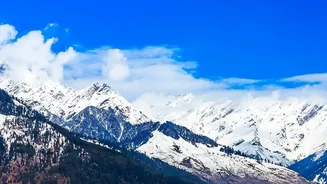
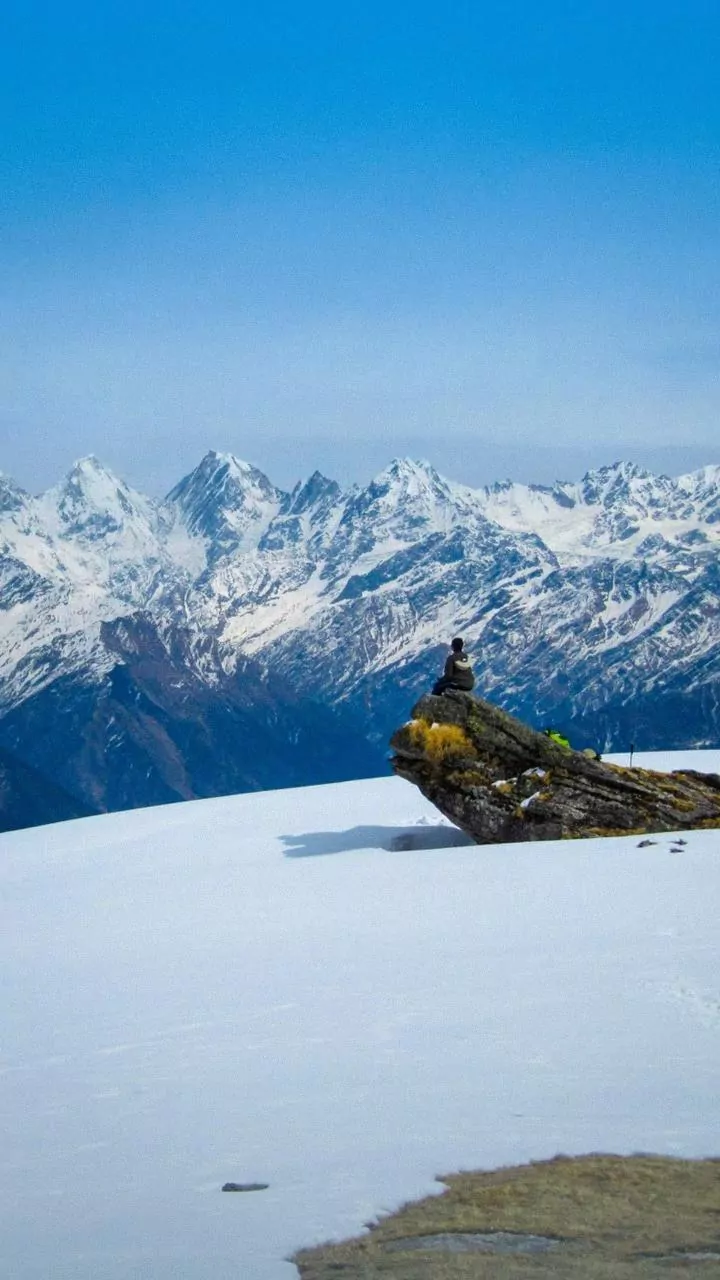
from September to October. During summer, temperatures are pleasant, ranging from 8°C to 30°C, making it ideal for sightseeing when all roads are typically open. This is peak season, so expect more tourists. Autumn, particularly September and October, is considered by many to be the most beautiful season. The monsoon has retreated, leaving clear blue skies and the landscape awash in golden and crimson hues. Roads are generally in their best condition during this period. The monsoon months of July and August should be approached with caution. Heavy rainfall increases the risk of landslides, which can lead to road blockades and travel disruptions. Winters, from November to March, are harsh and cold, with heavy snowfall, especially at higher elevations like Chitkul. While some lower areas like Kalpa remain accessible, travel becomes challenging and many services may be closed.
Navigating the Treacherous Roads
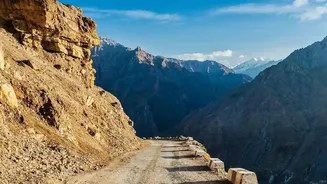
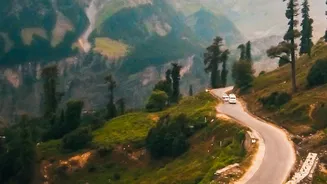
The journey into Kinnaur is as much a part of the adventure as the destination itself, primarily along National Highway 5 (NH5), also known as the Hindustan-Tibet Road. This road is an engineering marvel, carved into cliffsides with sheer drops to the Sutlej river below. While it technically remains open year-round, unlike the seasonal Manali-Kaza route, 'open' doesn't always mean easy. The road is notoriously prone to landslides and rockfalls, especially during the monsoon (July-August) and in winter due to snow. Notorious stretches like Tranda Dhank and Malling Nalla require extreme caution and can be blocked without warning. Recent reports from late 2026 confirm that NH-5 is open but that travellers should always check conditions on the day of their journey. While road quality has improved in many sections, some patches, particularly on the link roads to Sangla and Chitkul, can be rough. For this reason, a sturdy vehicle with good ground clearance and, more importantly, an experienced local driver who understands the terrain are highly recommended.
Respecting the High Altitude
Altitude is a serious factor that every visitor to Kinnaur must consider. Many key destinations are located at high elevations, including Kalpa (approx. 9,711 ft), Sangla (approx. 8,900 ft), and Chitkul, the last inhabited village near the Indo-Tibetan border, which sits at a lofty 11,319 ft. Ascending too quickly to these heights can lead to Acute Mountain Sickness (AMS), with symptoms like headache, nausea, dizziness, and fatigue. The key to prevention is gradual acclimatisation. The route via Shimla and NH5 is advantageous as it allows for a more gradual ascent compared to other Himalayan circuits. It is strongly advised to spend at least a day acclimatising before ascending to higher altitudes. For example, staying a night in a lower-altitude town like Sarahan or Sangla before heading up to Kalpa or Chitkul can make a significant difference. To further prevent AMS, stay well-hydrated by drinking plenty of water, eat high-carbohydrate meals, and avoid alcohol for the first 48 hours at altitude. If symptoms of AMS appear, do not ascend further and consider descending if they worsen.
Essential Planning for Your Journey
A well-planned trip is a safe trip. When packing, think in layers. The weather can change quickly, so having warm layers, a waterproof jacket, and sun protection is essential regardless of the season. Even in summer, nights can be cold, especially at higher altitudes like Chitkul. Sturdy walking shoes are a must for navigating uneven terrain. Carry a basic first-aid kit with medications for headache, nausea, and any personal prescriptions. It's also wise to bring medication for AMS like acetazolamide, after consulting with your doctor. Financially, be prepared. While towns like Reckong Peo have ATMs, they can be unreliable. It is advisable to carry enough cash for your expenses, especially in more remote villages where digital payments are not an option. Finally, build buffer days into your itinerary. Road closures due to landslides or other unforeseen events are a real possibility, and having an extra day or two provides a crucial safety net, ensuring you don't have to rush on these unpredictable mountain roads.