





Embrace Your Balcony's Shade
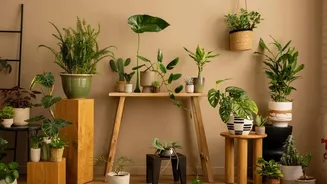
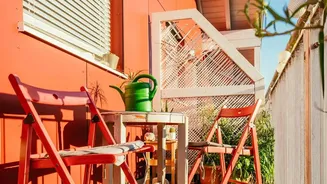
Many urban apartments and homes in India face buildings or have north-facing balconies that don't get the six to eight hours of direct sun most gardening guides recommend. But "low light" doesn't mean "no light." Many soft-leaved herbs are surprisingly
adaptable and prefer cooler, shadier spots over the harsh afternoon sun, which can cause them to wilt. The key is to choose the right plants. These herbs may grow a bit slower and less dense than their sun-soaked counterparts, but they will still provide fresh flavours for your kitchen. Patience is just as important as the right plant.
General Tips for Low-Light Success
Before we get to the herbs, a few tips can set your shady garden up for success. First, use well-draining pots; root rot from waterlogged soil is a common issue in cooler, shaded environments. Terracotta or fabric pots are excellent choices. Second, don't overwater. Check the soil by sticking your finger in; if the top inch is dry, it's time to water. Finally, don't over-fertilise. Many herbs develop a better flavour when they aren't pushed to grow too quickly. A light, well-draining potting mix, perhaps with some compost, is often all you need to start.
1. Mint (Pudina)
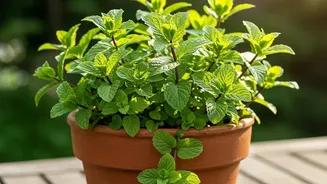
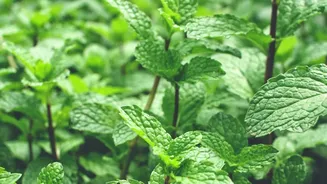
Mint is the undisputed champion of shade-tolerant herbs and one of the most forgiving plants for beginners. It thrives in moist soil and cooler spots, making it perfect for a balcony that gets only morning sun or bright, indirect light. In fact, too much direct sun can scorch its leaves. Mint is a vigorous grower, so it is highly recommended to plant it in its own container to prevent it from taking over. Keep the soil consistently moist and trim the tips regularly to encourage a bushier plant and enjoy a steady supply for your chai, chutneys, and raitas.
2. Parsley (Ajamoda)
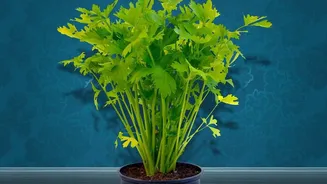
Both the flat-leaf and curly varieties of parsley do remarkably well in partial shade. Like many other soft herbs, it actually benefits from protection against intense afternoon sun, which keeps its leaves from turning bitter. Parsley needs consistently moist, nutrient-rich soil to flourish. It has a long taproot, so choose a pot that is at least 6-8 inches deep to give it room to grow. Harvest the outer stems first, allowing new growth to emerge from the centre. This will ensure your plant stays productive for months, providing a fresh, peppery kick for salads and garnishes.
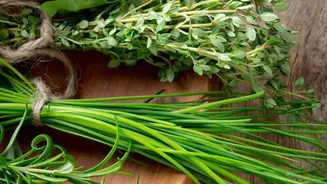
3. Chives (Hara Pyaz)
With their subtle onion flavour, chives are a versatile addition to any kitchen and a surprisingly resilient plant for low-light conditions. While they perform best with more sun, chives are known to tolerate partial shade quite well. They are perfect for small spaces and grow happily in pots. The key is to provide well-drained soil and avoid overwatering, especially during periods of low light in winter, when the plant's growth naturally slows. Snip the slender leaves from the base as needed to garnish everything from eggs to dals, and they will continue to regrow.
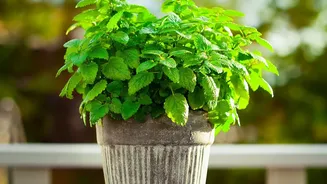
4. Lemon Balm
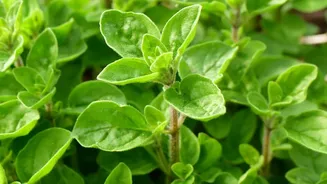
A member of the mint family, lemon balm shares its relative's tolerance for shade and its tendency to spread if not contained. This herb is prized for its fragrant, lemon-scented leaves, which make a delightful herbal tea or addition to salads and infused water. Lemon balm does well in partial shade and prefers moist soil. If it's in a shadier spot, it might become a bit leggy, but regular trimming will help keep it compact and encourage fresh, fragrant growth. It’s a wonderful, low-maintenance plant that brings a refreshing citrus aroma to your balcony.
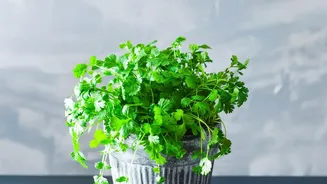
5. Cilantro (Dhania)
Growing coriander for its leaves can be tricky in India’s heat, as it tends to 'bolt' (flower prematurely) in hot weather. A shaded balcony can actually be an advantage here. Growing cilantro in a cooler, partially shaded spot can prolong its life and allow you to harvest leaves for a longer period. It prefers moist, well-draining soil and will benefit from protection from the harsh midday sun. While it may grow a bit slower in the shade, the trade-off is a longer harvesting window for your favourite curries, soups, and garnishes.