
Know When and Where to Look
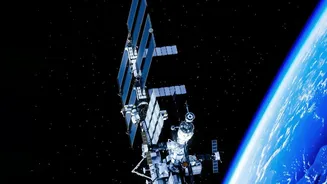
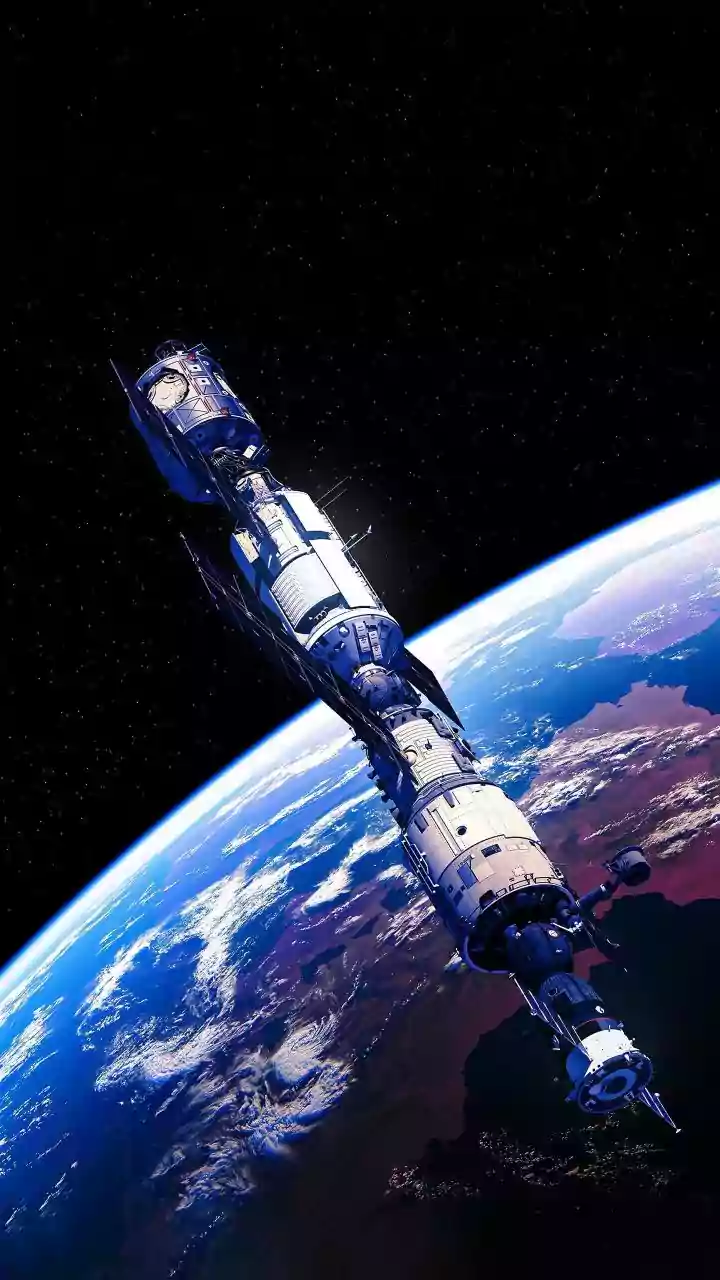
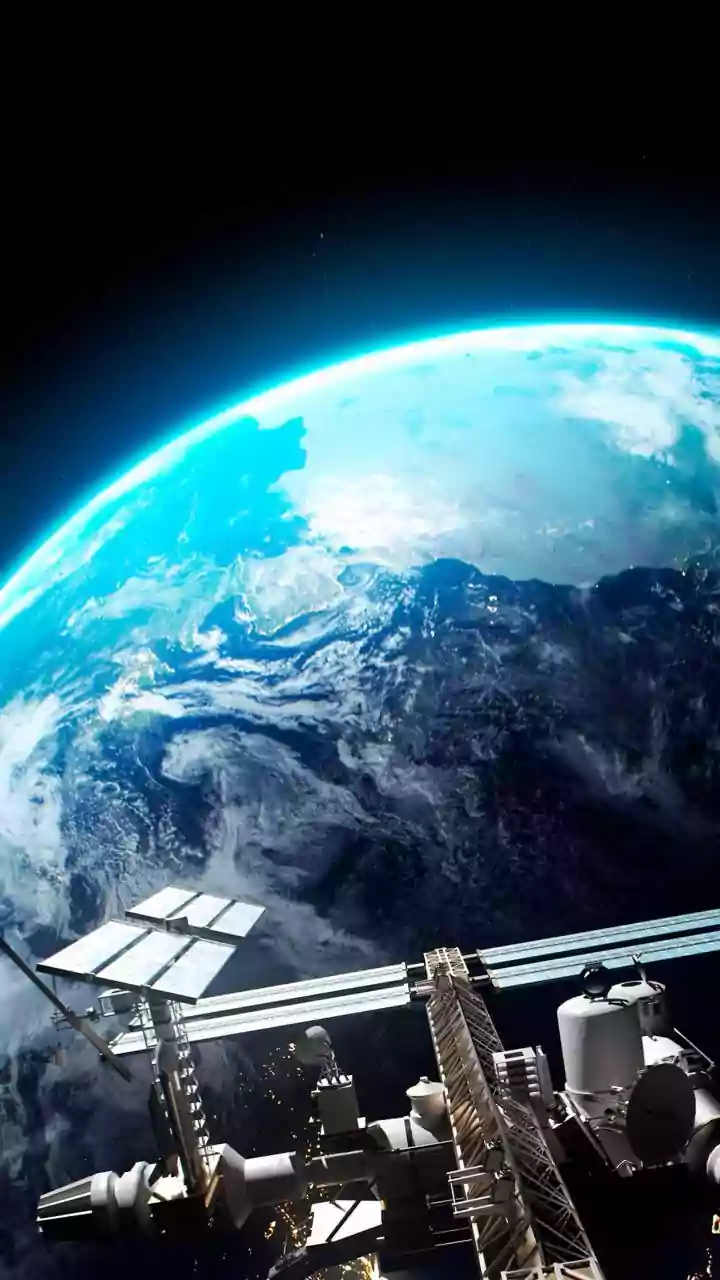
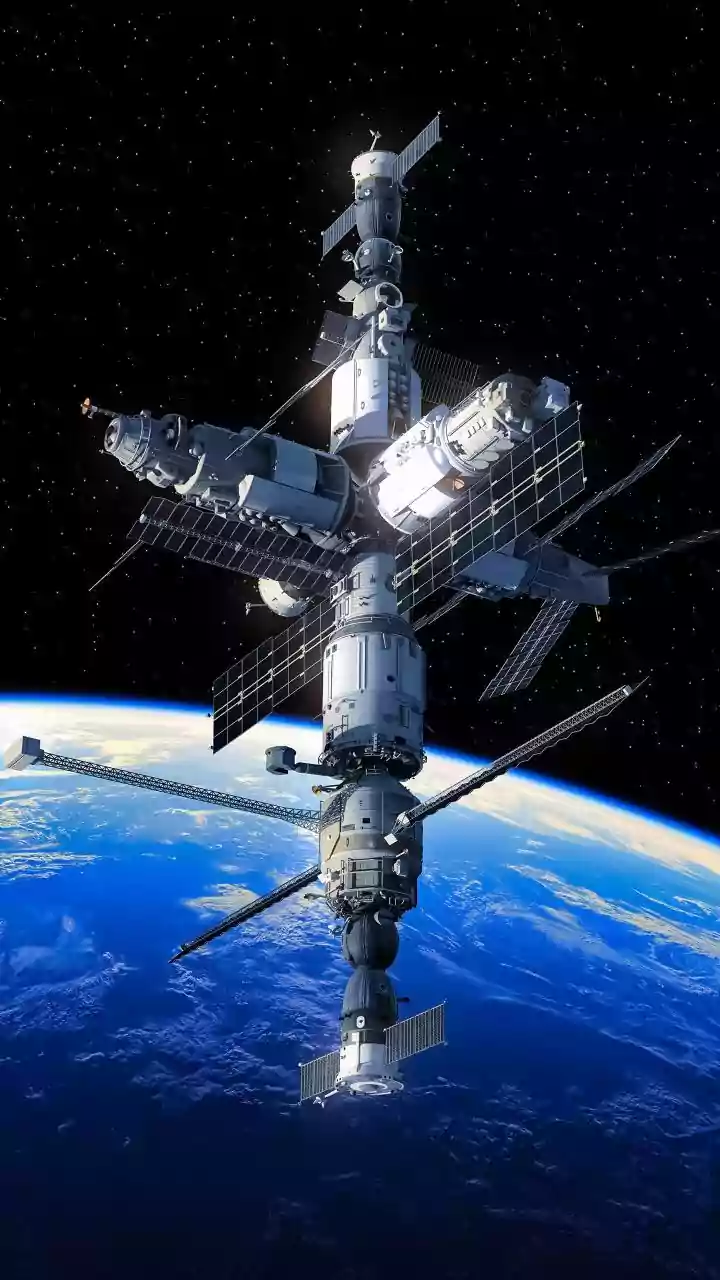
The first step to seeing the International Space Station (ISS) is knowing its schedule. The station orbits Earth at a blistering 28,000 kilometres per hour, completing a full circle roughly every 93 minutes. This means its path over your city is predictable
down to the second. You don't need complex charts; several user-friendly apps and websites do the work for you. NASA’s official 'Spot The Station' service can send you email or text alerts for good viewing opportunities over your specific location. Other highly-rated apps like ISS Detector and websites like Heavens-Above provide detailed information, including the exact time, duration of the pass (usually between three to seven minutes), the direction it will appear, its maximum height, and its path across the sky. Simply input your city, and these tools will give you a precise timetable.
Understand What You Are Seeing
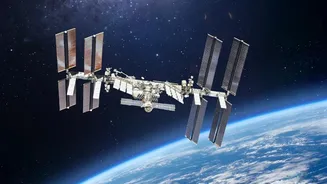
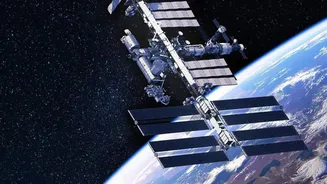
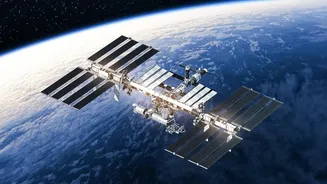
The ISS doesn't look like a conventional aircraft. It appears as a very bright, steady, and fast-moving point of light—almost like a star that has decided to take a journey across the firmament. Unlike an airplane, it does not have blinking red and green lights, and it moves much faster and more smoothly. Its brightness comes from sunlight reflecting off its massive solar panels as it orbits about 400 kilometres above Earth. On a good pass, the ISS can be the third brightest object in the night sky, outshining even the brightest stars and planets. Knowing what to look for helps distinguish it from the busy air traffic common over Indian cities.
The Best Time for a Sighting
Timing is crucial. The ISS is only visible when it is flying through sunlight while you are in darkness on the ground. This creates a specific viewing window: the first couple of hours after sunset and the last couple of hours before sunrise. During the middle of the night, the station is in Earth's shadow, making it invisible. At midday, the sky is too bright to see it. Your tracking app will automatically account for this, only providing alerts for these twilight passes. For example, a pass over Delhi on Monday, August 17, 2026, is predicted to be brilliantly visible at 4:26 AM, rising in the southwest. Checking for these dawn and dusk timings is key to a successful sighting.
Combatting City Lights and Haze
The biggest challenge for urban skywatchers in India is light pollution. The pervasive glow from streetlights, buildings, and advertising billboards can wash out all but the brightest celestial objects. To improve your chances, find a location with the clearest possible view of the sky, away from direct sources of glare. A terrace, a local park, or even the edge of town can make a significant difference. Let your eyes adjust to the darkness for at least 15-20 minutes to improve your night vision. Also, pay attention to the 'maximum height' or 'elevation' listed in your tracking app. A pass with a higher elevation (closer to directly overhead) will be brighter and less likely to be obscured by buildings or haze near the horizon.
No Special Equipment Needed
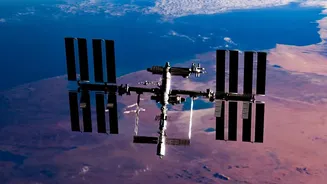
One of the best things about spotting the ISS is its accessibility. You do not need a telescope or any expensive equipment. The station is bright enough to be easily seen with the naked eye. While a telescope's field of view is too narrow to track the fast-moving station effectively, a simple pair of binoculars can enhance the experience. Through binoculars, you might be able to make out the station's general shape and structure as it moves. But for your first time, the only things you truly need are clear skies, the right timing, and your own eyes.
Patience and Planning Pay Off
Finally, be patient. Weather is an unpredictable factor, especially during monsoon season or on hazy winter nights. Check the weather forecast alongside the ISS pass schedule. If one night is cloudy, don't be discouraged. The station’s orbital path means there will be another viewing opportunity within a few days or weeks. By using the available tracking tools, preparing for the urban viewing environment, and having a little patience, you can experience the thrill of watching this orbiting laboratory fly silently over your city, a powerful reminder of human ingenuity and our connection to the cosmos.