







The Perfect Antidote to the Gloom
There's a certain magic to the Indian monsoon. It’s a relief from the scorching summer heat, a time of renewal and lush greenery. But with the romance of the rain also comes a damp chill, grey skies, and a desire to seek warmth and comfort. This is where
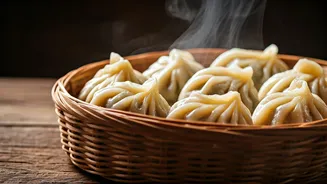
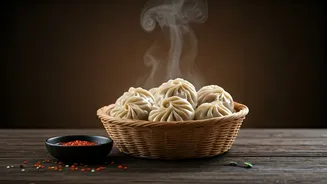
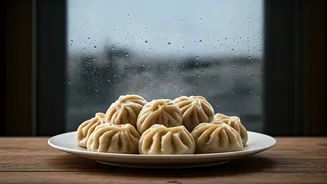
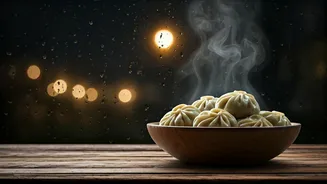
the humble momo enters the scene, not just as a snack, but as an experience. A plate of steaming hot dumplings serves as the perfect antidote to the monsoon gloom. The visual of the steam rising from a freshly opened bamboo steamer, curling into the cool, moist air, is a comforting spectacle in itself. It’s a promise of warmth, a small, edible fire to hold back the dampness of the evening.
A Symphony in a Dumpling
What makes the momo so perfectly suited for a rainy day? It’s a masterful combination of textures and temperatures. First, there's the delicate, slightly chewy wrapper, steamed to perfection. Biting through it releases a burst of savory steam and reveals the flavourful filling within—be it spiced minced chicken, finely chopped vegetables, or creamy paneer. But the experience is incomplete without its fiery companion: the chutney. This bright red sauce, a potent blend of chillies, garlic, and tomatoes, provides a sharp, exhilarating kick of heat that cuts through the richness of the dumpling. The contrast is everything: the soft wrapper, the juicy filling, the fiery dip, and the overall warmth that spreads through you with every bite. It’s a sensory symphony that feels designed for a cool, rainy backdrop.
From Himalayan Hills to City Streets
While it feels like an intrinsic part of Indian urban culture today, the momo’s journey is a story of migration and adaptation. Originating in Tibet, the dumpling travelled to India with Tibetan communities who sought refuge here, primarily settling in places like Dharamshala, Darjeeling, and Delhi’s Majnu-ka-Tilla. In these early days, it was a taste of home for a displaced community. But its universal appeal couldn't be contained. Slowly but surely, the momo ventured out of these enclaves and onto the streets of metropolitan India. From dedicated stalls in neighbourhood markets to high-end restaurants offering pan-fried and tandoori versions, the momo has become a pan-Indian obsession. Its evolution from a niche ethnic food to a ubiquitous street snack is a testament to its simple, undeniable deliciousness.
The Social Snack
Part of the momo's charm lies in its social nature. It’s rarely a solitary meal. Think about the last time you had momos. Were you alone? Probably not. You were likely huddled with friends under the small awning of a street vendor, watching the rain fall, each of you eagerly dipping your momo into the shared bowl of chutney. It's a food that encourages gathering. The quick-service nature of momo stalls makes them natural meeting points. The act of ordering a plate, waiting for it to be steamed, and then sharing it while chatting creates a small, fleeting moment of community. In a fast-paced world, this simple ritual of sharing a warm plate of food on a wet evening feels grounding and deeply human.
More Than Just Food
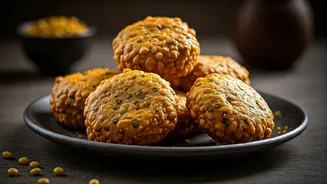
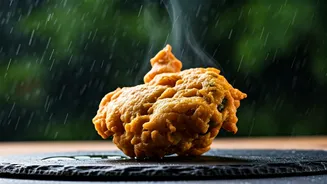
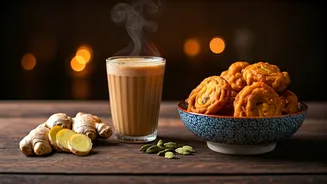
The momo-monsoon connection is part of a larger Indian culinary tradition of finding comfort in specific foods during the rains. It’s the same impulse that makes us crave a hot cup of adrak wali chai and crispy pakoras, or a warm plate of khichdi. These aren't just meals; they are emotional anchors. They are about nostalgia, comfort, and the feeling of being protected from the elements. The momo has earned its place in this hallowed hall of monsoon comfort foods. It’s no longer just a Tibetan import; it is a beloved part of the Indian experience, a small, steamed parcel of joy that makes the long, rainy evenings feel just a little bit better.