



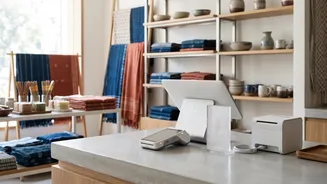
Meeting Customers Where They Are
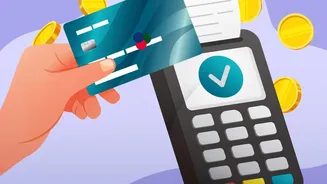
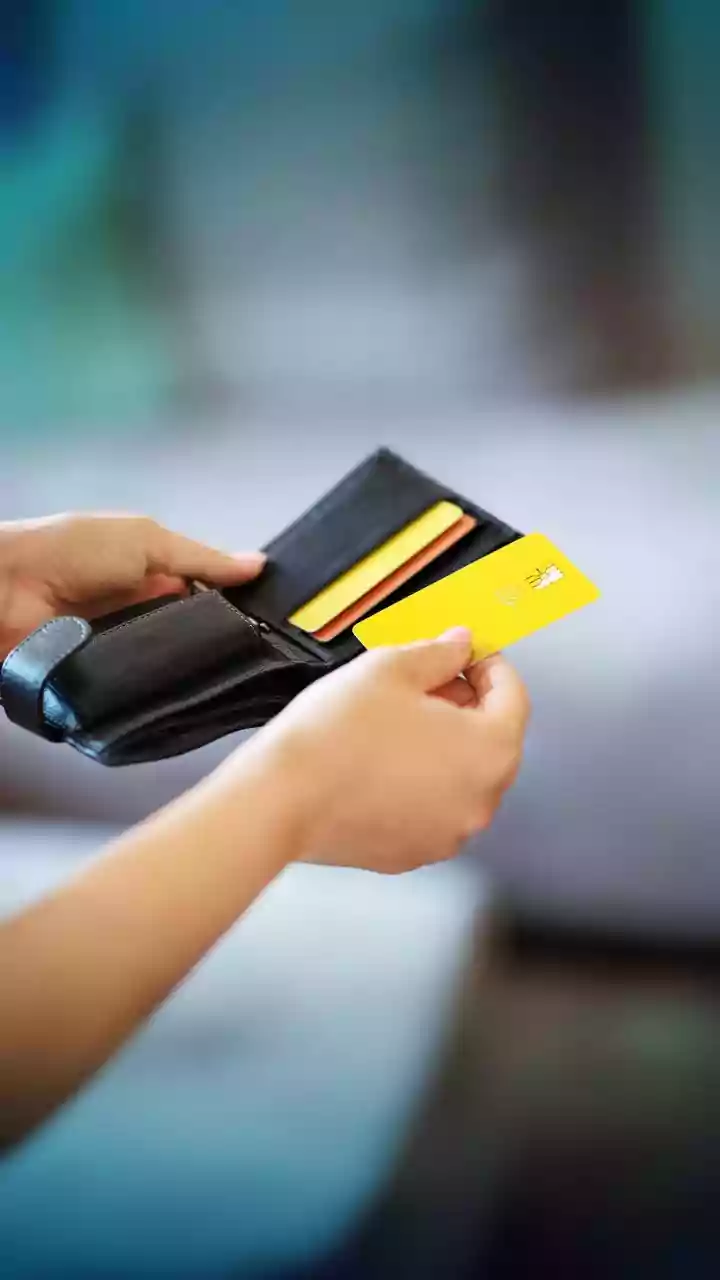
The single biggest driver is you, the customer. Modern consumers increasingly prefer the speed and simplicity of digital payments and carry less cash. For a small business, failing to offer card or mobile payment options means risking a lost sale. Studies
have shown that when people aren't limited by the cash in their wallet, they tend to spend more, leading to larger average transaction sizes. By accepting digital payments, small shops can capture impulse buys and appeal to a wider demographic, particularly younger, tech-savvy generations who rarely carry physical currency. It's a simple case of adapting to consumer behavior or getting left behind.
The Hidden Costs of Handling Cash
While credit card fees are a visible expense, the costs associated with handling cash are often hidden but substantial. Research has shown that managing cash can cost a business anywhere from 4% to 15% of its value when you factor everything in. This includes the time employees spend counting drawers, preparing bank deposits, and the labor costs for trips to the bank. There's also the constant risk of human error in making change, internal theft, and the security threat of having significant cash on-site, which can make a business a target for robberies. When all these factors are tallied, the seemingly 'free' option of accepting cash often proves to be more expensive and riskier than paying a predictable transaction fee.
Smarter and More Efficient Operations
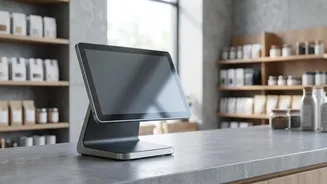
Moving beyond cash offers significant operational advantages. Digital transactions create an automatic, error-free record, which dramatically simplifies bookkeeping and accounting. This digital trail makes financial tracking more transparent and reduces the administrative burden on business owners. Modern point-of-sale (POS) systems do more than just process payments; they can integrate directly with inventory management, helping a shop owner know what's selling and when to reorder. This flow of real-time data allows for smarter business decisions, from staffing adjustments during peak hours to identifying which products are most profitable. Ultimately, this efficiency saves time and money, freeing up the owner to focus on customer service and growth.
Technology Has Democratized Payments
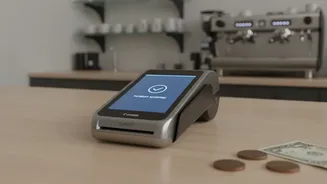
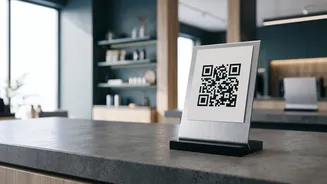
In the past, setting up a merchant account to accept credit cards was often a costly and complicated process, creating a high barrier for the smallest businesses. Today, technology has changed the game. Companies like Square, Clover, and PayPal have introduced affordable, user-friendly POS systems that can be set up in minutes. A small vendor at a farmers market can now accept payments with just a smartphone and a small card reader. This accessibility has leveled the playing field, allowing micro-businesses and pop-up shops to offer the same payment convenience as major retailers, expanding their sales opportunities well beyond the storefront.