







The Dream: Ziro's Unique Appeal
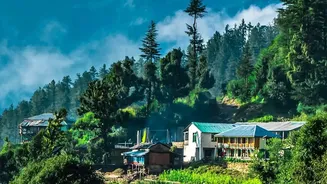
Ziro Valley is not just another hill station; it's a cultural landscape and a proposed UNESCO World Heritage Site. Home to the warm and hospitable Apatani community, the valley is a serene expanse of terraced rice farms, pine groves, and traditional bamboo
houses. The real magic, however, happens in late September when the Ziro Festival of Music transforms the tranquil valley into a vibrant hub of sound, art, and culture. The 2026 edition, for instance, runs from September 24th to 27th, featuring a diverse lineup of over 40 artists from India and around the globe. A workation here means spending your days on calls against a backdrop of stunning scenery and your evenings immersed in eclectic live music, from indie rock to traditional folk performances.
The Reality: A Digital Nomad's Checklist
The primary concern for any workation is connectivity. While Ziro has made significant strides, it remains a remote destination. Don't expect seamless city-level broadband everywhere. However, a functional work-life balance is achievable. Recent reports and visitor feedback suggest that internet connectivity is decent in the main town areas and much better than in other remote parts of Arunachal. Many homestays and cafes now offer Wi-Fi, which is generally sufficient for emails, documentation, and standard browsing. For heavier tasks or as a reliable backup, a Jio or BSNL mobile connection often works well. A project by the Digital Empowerment Foundation has also worked to establish Wi-Fi connectivity across several villages in the valley, improving access for residents and tourists alike. It's wise to carry a powerful power bank and download important files beforehand, just in case of weather-related disruptions.
Where to Stay: Your Home in the Hills
Accommodation in Ziro leans towards authentic, intimate experiences rather than large hotel chains. Homestays are the most popular option, offering a chance to live with an Apatani family, understand their unique culture, and savour home-cooked meals. Many hosts are known for their incredible warmth and hospitality. During the festival, pre-booked campsites are also a major draw, providing a communal and festive atmosphere under the stars. When booking for a workation, it's crucial to inquire specifically about Wi-Fi availability and a quiet space or desk to work from. Popular and well-regarded options include Siiro Homestay and Pigey Poro Homestay. For those looking for a bit more structure, properties like Myodi-Yasi Homestay, located conveniently near the airport, are also highly rated.
Beyond Work and Music: Exploring the Valley
A week is considered ideal to truly soak in the essence of Ziro. Beyond the festival grounds and your laptop screen, the valley offers a wealth of experiences. You can spend your downtime exploring the Apatani villages like Hari and Bulla, each with its distinct charm. A visit to the Tarin Fish Farm will introduce you to the region's unique high-altitude aquaculture practices. For nature lovers, a trek to Kile Pakho offers panoramic views of the valley on one side and the snow-capped Himalayan peaks on the other. The Talley Valley Wildlife Sanctuary, though requiring a bit of a journey, is a haven for biodiversity. Simply cycling or walking through the paddy fields at sunset can be a rejuvenating experience in itself.
Essential Travel Logistics
Planning is key for a smooth trip. First, all non-local visitors require a permit: an Inner Line Permit (ILP) for Indian citizens and a Protected Area Permit (PAP) for foreigners, which can now be applied for online. The most common route to Ziro involves flying to Guwahati, taking an overnight train to Naharlagun, and then a 3-4 hour taxi ride into the valley. Since you'll be there during the festival, which coincides with the monsoon's retreat, pack layers of clothing, a reliable raincoat, and sturdy boots. Most importantly, book your accommodation and festival tickets well in advance, as Ziro becomes a bustling hub during this period.