






The Truth Behind ‘You Can’t Outrun a Bad Diet’
It’s a phrase you’ve likely heard, and for good reason. While exercise is undeniably crucial for cardiovascular health, muscle strength, and mental well-being, it’s an inefficient tool for weight management on its own. A 30-minute run might burn around
300 calories, but a single slice of cake or a couple of samosas can easily negate that effort in minutes. This isn't to discourage exercise, but to reframe its purpose. Think of working out as the force that shapes your body and strengthens your heart, but your diet as the controller of the raw material—your body composition and energy levels. Without managing what goes in, you’re simply asking your workouts to do an impossible amount of heavy lifting.
Food as Fuel, Not Just a Number
Shifting your mindset from calorie counting to nutrient quality is a game-changer. Fitness isn’t just about looking a certain way; it’s about feeling energetic and performing at your best. The food you eat is the fuel for that performance. A diet rich in processed foods, sugars, and unhealthy fats—even if low in calories—leaves you feeling sluggish and unprepared for physical activity. Conversely, a diet built around whole foods provides the complex carbohydrates needed for sustained energy, the lean proteins for muscle repair, and the healthy fats for hormone regulation. Before a workout, the right foods provide the power to push harder. After, they provide the building blocks to recover and grow stronger.
A Simple Guide to Your Plate
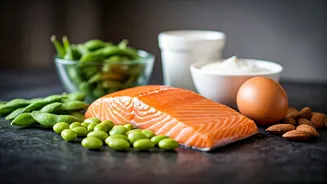
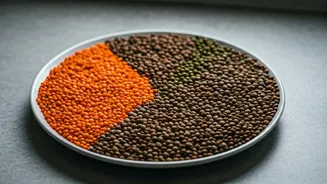
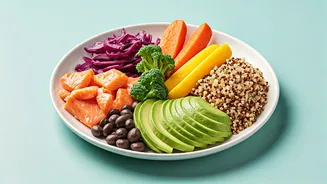
You don’t need to be a nutritionist to build a fitness-forward plate. A simple framework is to focus on three key macronutrients. Protein is the hero of muscle repair. Sources like dal, paneer, eggs, chicken, and chickpeas are essential for rebuilding tissues stressed during exercise. Carbohydrates are your primary energy source. Opt for complex carbs like whole wheat roti, brown rice, oats, and millets, which provide a slow and steady release of energy. Fats are not the enemy! Healthy fats from sources like nuts, seeds, avocado, and ghee are vital for absorbing vitamins and regulating hormones. A balanced plate with a portion of each at every meal ensures your body has everything it needs to function optimally, both in and out of the gym.
Recovery Starts with Your Fork
Many people think of recovery as a day off or a good night’s sleep. While those are important, nutritional recovery is just as critical. When you exercise, you create tiny micro-tears in your muscle fibres. The process of repairing these tears is what makes you stronger. This repair work requires raw materials, primarily protein and carbohydrates. Consuming a protein-rich meal within a few hours of your workout helps kick-start this process, reducing muscle soreness and promoting growth. Hydration is another kitchen-based pillar of recovery. Water is essential for transporting nutrients to your cells and flushing out waste products. Neglecting post-workout nutrition is like asking a construction crew to rebuild a wall without giving them any bricks.
Building a Sustainable Fitness Kitchen
Ultimately, the power of a kitchen-first approach is its sustainability. Extreme diets fail because they are restrictive and temporary. Building a fitness culture in your kitchen is about creating habits. It’s about stocking your pantry with whole grains and spices instead of packaged snacks. It’s about learning a few simple, healthy recipes that you genuinely enjoy. It’s about planning your meals so you aren’t making poor choices out of hunger and convenience. This approach isn't about perfection; it’s about consistency. By making your kitchen the centre of your wellness strategy, you are building a foundation that supports your fitness goals 24/7, not just for the one hour you spend working out.