




The Soul of Parsi Cooking
Parsi cuisine is a fascinating culinary tapestry, woven from the threads of ancient Persian heritage and the vibrant local flavours of Gujarat and Maharashtra, where Parsis settled centuries ago. This history created a unique food culture celebrated for
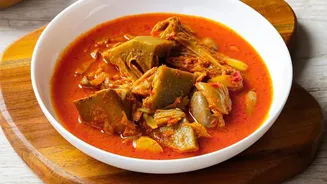
its delicate balance of 'khatu-mithu-tikhu' – a trinity of sour, sweet, and spicy notes that dance together in a single dish. This balancing act, often achieved with ingredients like vinegar, jaggery, tamarind, and a thoughtful blend of spices, is the hallmark of Parsi food, setting it apart from other Indian regional cuisines. From the iconic Dhansak to celebratory dishes like Patra ni Machhi, Parsi cooking is rich with one-pot meals and stews that are both comforting and complex.
Kathal: The Seasonal Star
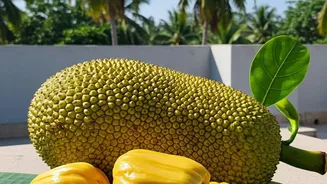
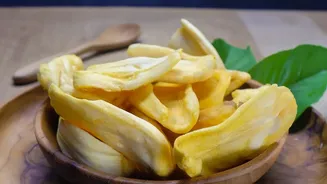
Raw jackfruit, known as kathal in Hindi, is a versatile seasonal vegetable prized for its meaty texture. When unripe, it has a neutral flavour that readily absorbs the spices it is cooked with, making it a perfect canvas for the bold flavours of Parsi cooking. Its fibrous consistency makes it a popular substitute for meat in vegetarian dishes across India. Preparing kathal can seem daunting due to its sticky sap, but a simple trick makes it manageable: grease your hands and knife with a little oil before you begin cutting. This prevents the sap from sticking and allows you to easily peel the tough outer skin and chop the flesh into bite-sized pieces.
Aromatic Spice Blends
While there isn't one single 'kathal masala', the flavours in this dish are built using spices central to Parsi cooking. Many household spice blends, like the famous Dhansak Masala, feature a combination of aromatic and sweet spices rather than just pungent heat. Key players often include cinnamon, cloves, cardamom, cumin, coriander, and black peppercorns, which are gently roasted to awaken their essential oils. This recipe uses a simplified blend of these core spices to create a fragrant base that complements the sweetness of jaggery and the tang of tamarind or vinegar.
Ingredients for Parsi-Style Kathal
For the Kathal: - 500g raw jackfruit (kathal), peeled and cut into 1-inch cubes - 2 tablespoons vegetable oil or ghee - 1 large onion, finely sliced - 1 tablespoon ginger-garlic paste - 2 medium tomatoes, pureed For the Spice Blend: - 1-inch stick of cinnamon - 3-4 cloves - 2 green cardamoms - 1 teaspoon cumin seeds - 1 teaspoon coriander powder - ½ teaspoon turmeric powder - ½ teaspoon red chilli powder (adjust to taste) - ½ teaspoon Parsi garam masala or Dhansak masala (if available) For the Sweet & Sour Base: - 1 tablespoon jaggery, grated - 1 tablespoon tamarind pulp, or 2 teaspoons of vinegar - Salt to taste - Fresh coriander, for garnish
Step-by-Step Instructions
1. Prepare the Jackfruit: After cutting the kathal, it's best to par-boil or pressure cook the pieces in salted water with a pinch of turmeric for about 10-15 minutes, or until just tender. This ensures it cooks evenly in the curry. Drain and set aside. Some prefer to fry the jackfruit pieces until golden brown for a firmer texture before adding them to the gravy. 2. Build the Flavour Base: Heat oil or ghee in a pan over medium heat. Add the whole spices: cinnamon, cloves, cardamom, and cumin seeds. Allow them to sizzle and become fragrant for about 30 seconds. 3. Sauté Aromatics: Add the sliced onions and cook until they turn soft and golden brown. This caramelization adds a deep, sweet flavour. Add the ginger-garlic paste and sauté for another minute until the raw smell disappears. 4. Add Spices and Tomatoes: Lower the heat and add the powdered spices: turmeric, red chilli powder, coriander powder, and your Parsi-style masala. Stir for 30 seconds, then add the tomato puree. Cook this masala mixture until the oil begins to separate from the sides of the pan. 5. Create the Curry: Stir in the jaggery and tamarind pulp (or vinegar), along with about a cup of water, to form a gravy. Season with salt. Bring the mixture to a gentle simmer. 6. Finish the Dish: Add the cooked jackfruit pieces to the gravy. Stir gently to coat, then cover and simmer on low heat for 10-15 minutes, allowing the kathal to absorb all the flavours of the curry. If the gravy becomes too thick, add a splash of hot water. Once cooked, garnish generously with fresh coriander leaves.