
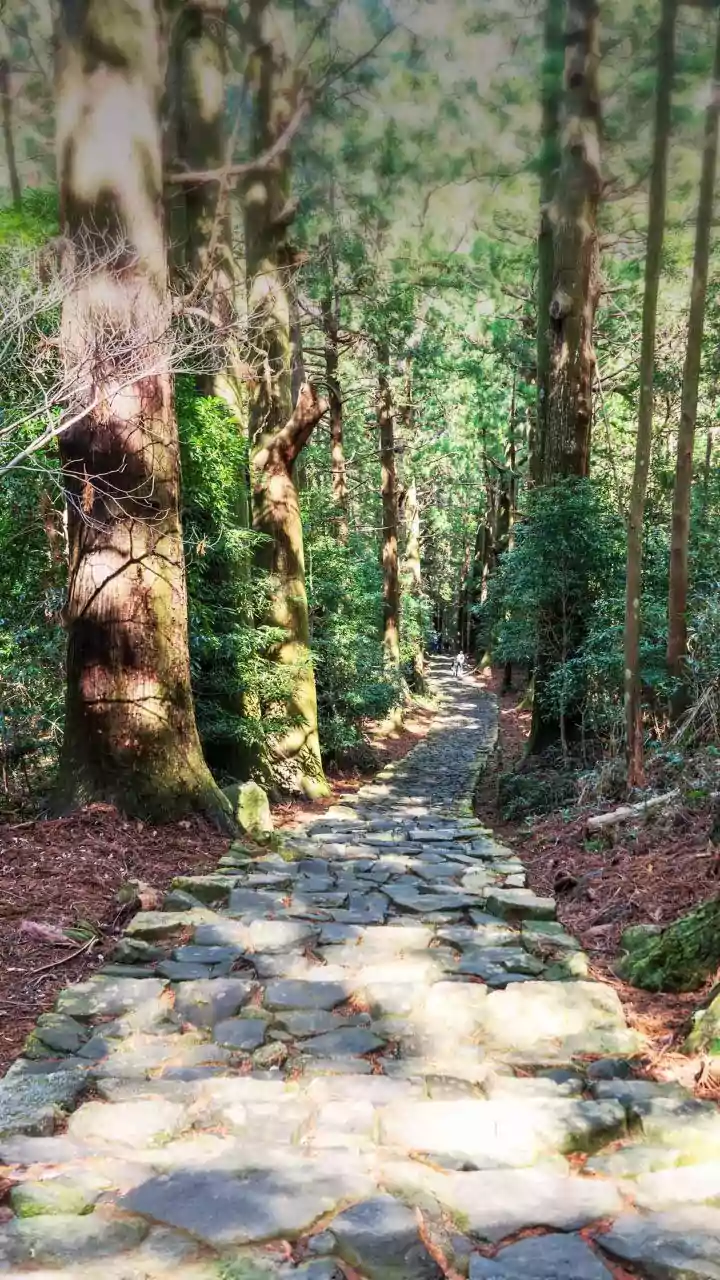
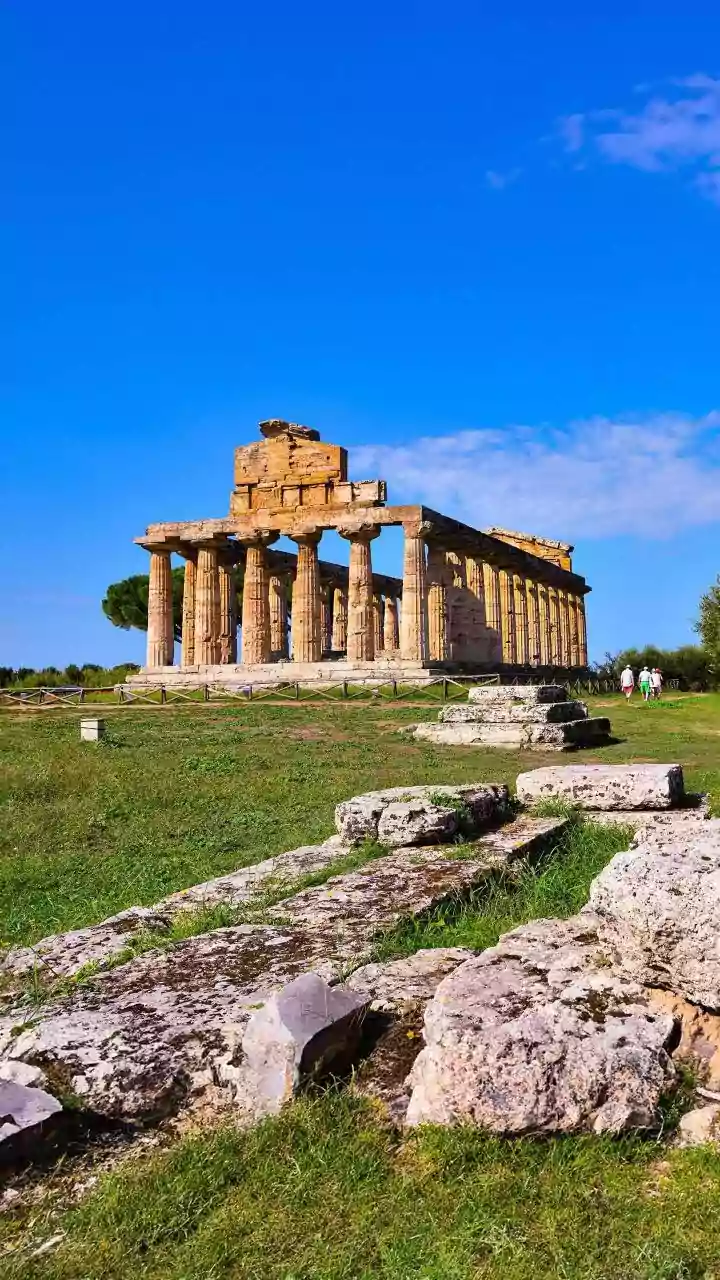

Forget the crowds and cruise ships for a moment. To truly connect with Greece's timeless soul, you need to walk. Ancient stone paths, once the lifeblood of commerce and community, crisscross the country, linking historic villages.
The Menalon Trail: Arcadia's Mythical Heart
In the heart of the Peloponnese
lies Arcadia, a land steeped in mythology and home to Greece's first certified 'Leading Quality Trail'. The 75-kilometer Menalon Trail is a masterfully organized route that weaves through the dramatic Lousios Gorge and connects nine traditional mountain villages. You can start in Stemnitsa, a stunning village perched at over 1,000 meters, known for its Byzantine churches and long history of silversmithing. The path, which follows old mule tracks, leads you to Dimitsana, a village that was crucial during the Greek Revolution for its gunpowder mills powered by water. Along the way, you'll pass monasteries that cling impossibly to cliffs and traverse dense fir forests, walking through landscapes that feel both wild and deeply historic. This trail is more than a hike; it's a journey through the very identity of mountainous Greece.
Zagori: The Land of Stone Bridges
In the northwestern region of Epirus, the Zagori region (also known as Zagorochoria) offers a walking experience unlike any other. This area, recently named a UNESCO World Heritage Site, is famous for its 46 traditional stone villages, deep gorges, and, most notably, its arched stone bridges. These architectural marvels, built in the 18th and 19th centuries, were essential for connecting communities across the region's rugged terrain. A popular hike connects the villages of Vitsa, Kipi, and Dilofo, taking you across several of these iconic bridges and along stone-paved paths. One of the most breathtaking sights is the Vradeto Steps, a 19th-century cobbled path carved into a cliff face that connects two of the area's highest villages. Walking here feels like stepping into a living museum of vernacular architecture and resilient mountain culture.
Pelion Peninsula: From Mountain to Sea
According to myth, the Pelion Peninsula was the land of the centaurs. Today, it's a hiker's paradise, a lushly forested finger of land where ancient cobbled paths, known as 'kalderimia', connect high-altitude villages with serene coastal hamlets. These paths were the original road network, used for centuries to transport goods by mule. Groups like the 'Friends of the Kalderimi' work to maintain these routes for walkers. You can start a walk in a mountain village like Milies or Tsagarada, known for their traditional architecture and plane-tree-shaded squares, and descend through olive groves and chestnut forests toward the sparkling Aegean or Pagasetic Gulf. The trails offer an incredible variety of scenery, from dense forest cover to open sea views, often in the same day's walk. It's the perfect choice for those who can't decide between a mountain holiday and a beach one.
Andros: The Cyclades' Green Surprise
While many picture the Cyclades as dry and sun-baked, Andros breaks the mold with its lush valleys, running waters, and extensive network of ancient trails. A dedicated local initiative has restored over 180 kilometers of footpaths, earning the island certification as a 'Leading Quality Trail' destination in Europe. The 100-kilometer continuous Andros Route traverses the entire length of the island, but numerous shorter day hikes are also available. These paths, some of which are centuries-old mule tracks, connect whitewashed villages, remote monasteries, and beautiful beaches. A walk might take you through the Dipotamata Valley, dotted with abandoned watermills, or lead you to a secluded cove for a swim. Hiking on Andros reveals a different side of the Greek islands—one that is green, tranquil, and deeply connected to its agricultural past.