


The Sourdough Discard Dilemma
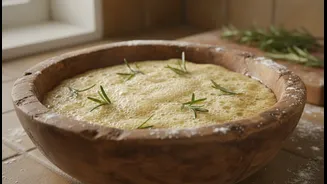
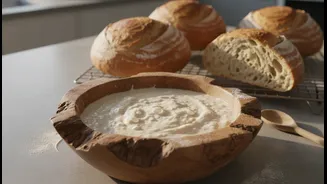
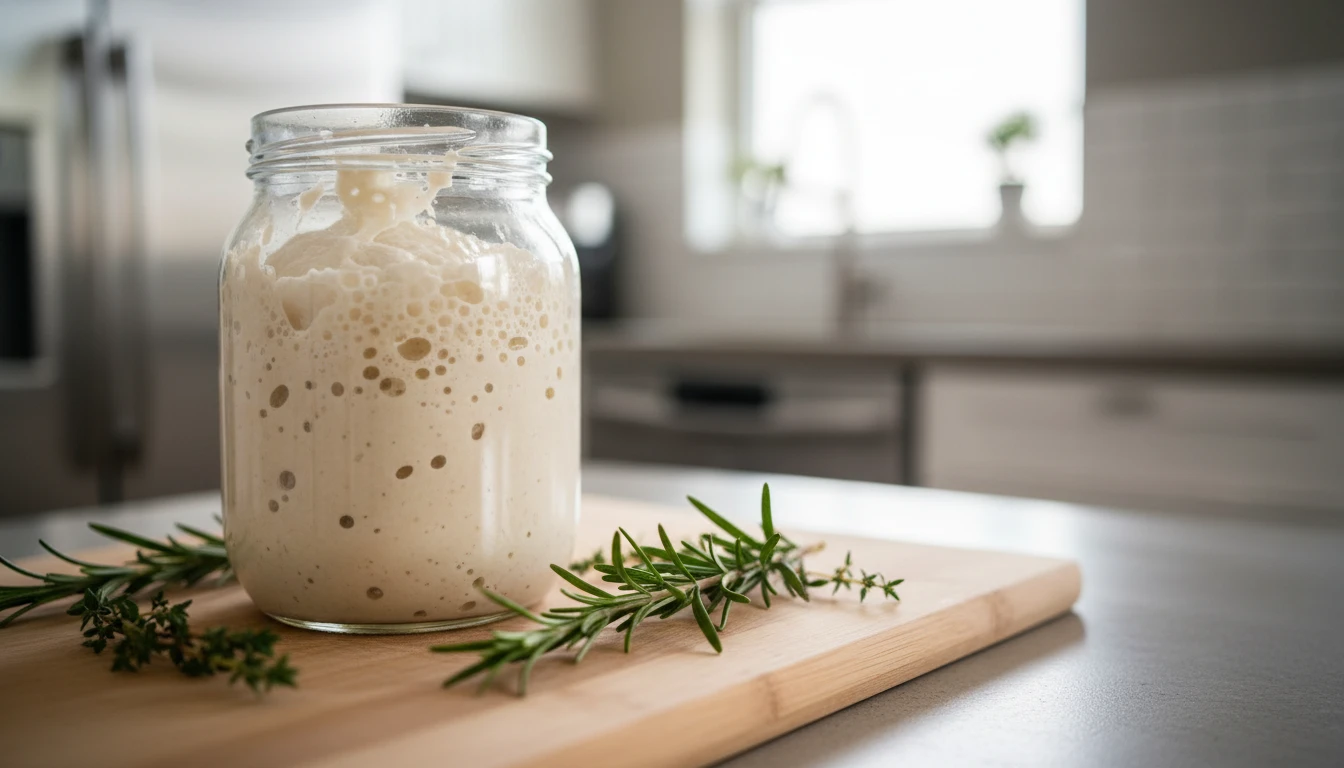
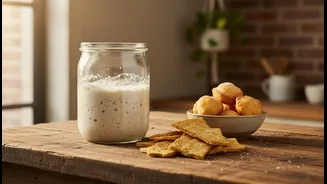
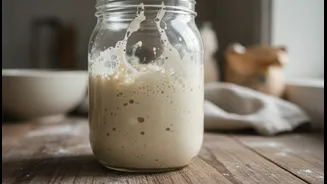
If you've ever maintained a sourdough starter, you know the routine. Before each feeding of fresh flour and water, you have to remove a portion to keep the starter healthy and manageable. This removed portion, aptly named 'discard', often ends up in the compost
or bin, creating a nagging feeling of waste for many home bakers. This isn't a small problem; it's a daily ritual in countless kitchens. But aligned with a broader consumer interest in fermented foods and sustainability, bakers are now reframing this process not as waste, but as an opportunity. That jar of discard in the back of the fridge is being recognised for what it is: a flavour-packed ingredient in its own right.
A New Pantry Staple
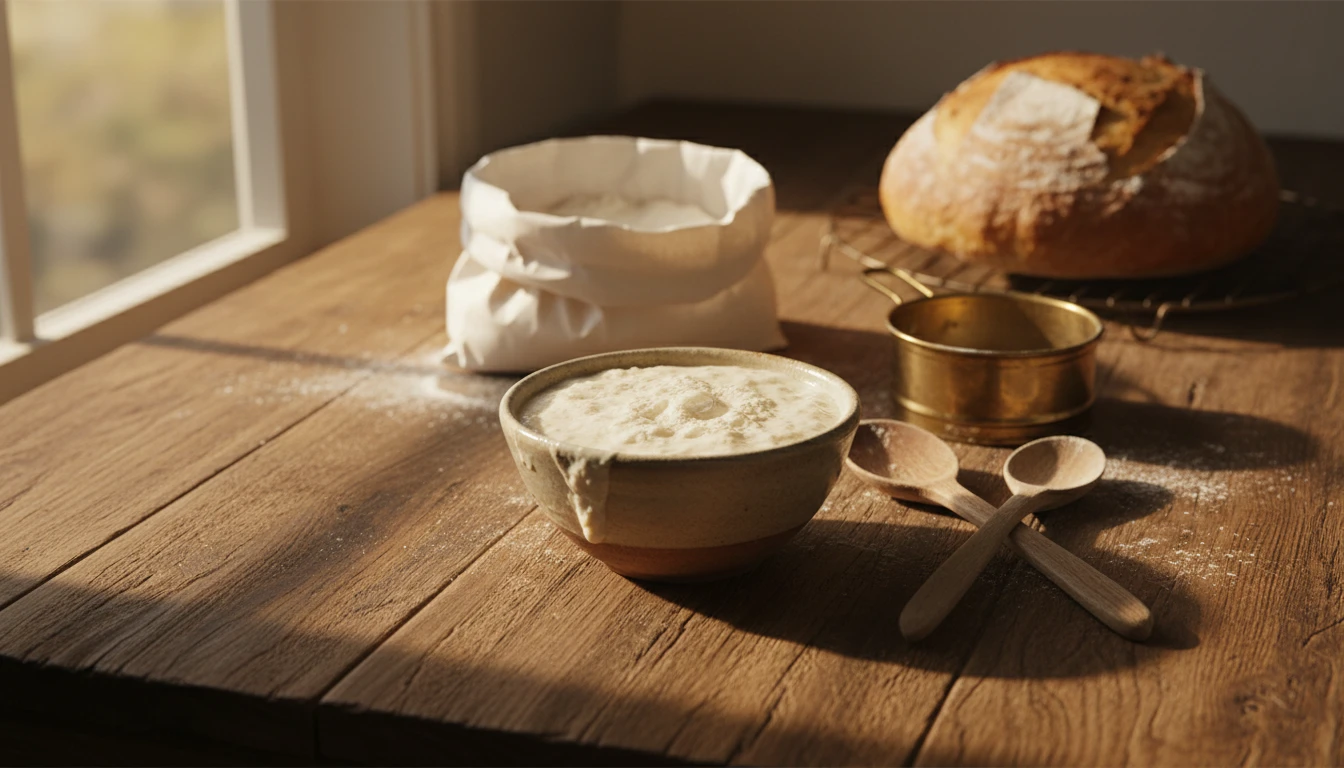
The core idea is simple: instead of being thrown away, the unfed starter is incorporated into other recipes. While it lacks the leavening power of an active starter to raise a loaf of bread on its own, its acidic profile and complex flavours can enhance a wide array of dishes. The discard adds a subtle tang, similar to buttermilk or yogurt, and contributes to a moister, softer texture in baked goods that can help them stay fresh longer. This push towards using discard is part of a larger movement towards reducing food waste and embracing culinary creativity. It's a zero-waste philosophy that doesn't sacrifice flavour—in fact, it adds a new dimension to it.
Savoury Delights Beyond the Loaf
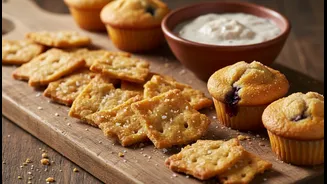
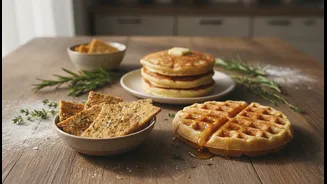
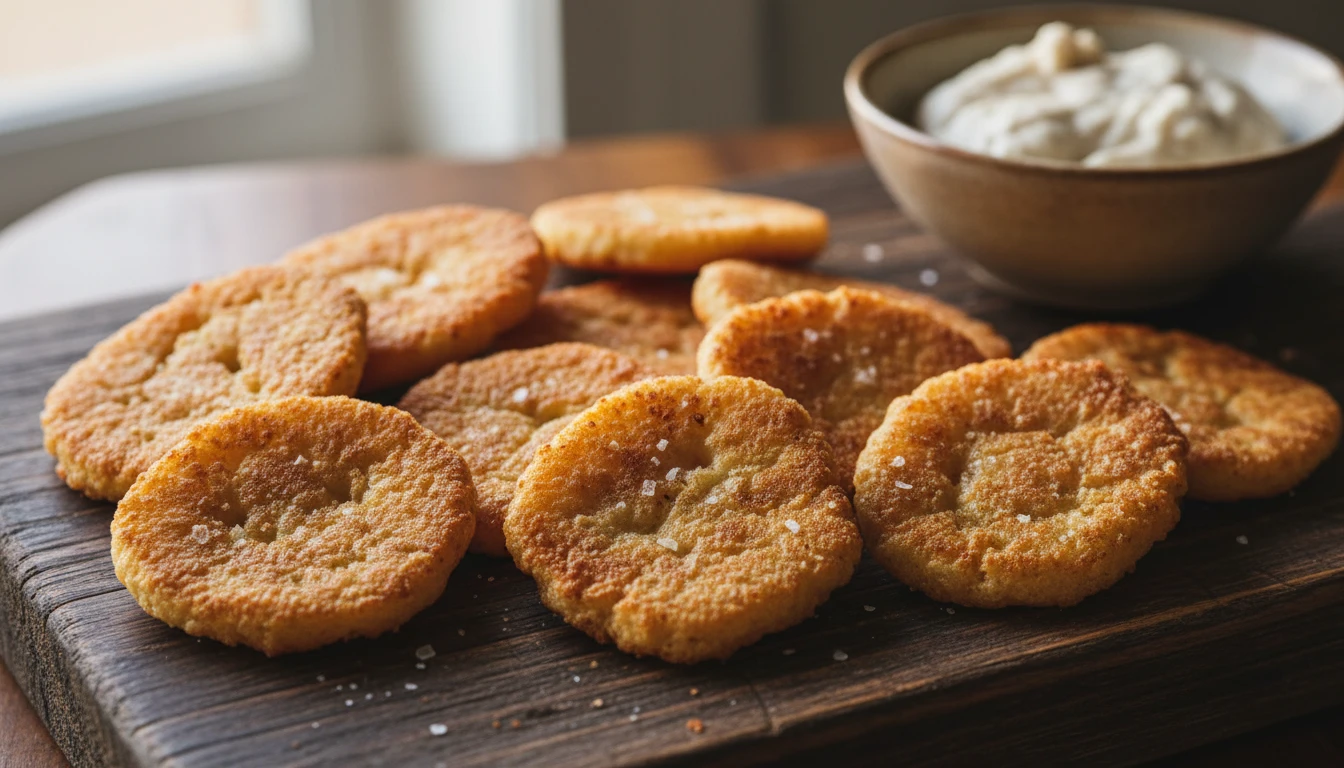
The versatility of sourdough discard truly shines in savoury applications. For many, the gateway recipe is crackers. A simple mix of discard, flour, fat, and seasonings bakes into crisp, tangy snacks that are infinitely customisable. From there, the possibilities expand rapidly. The discard can be whisked into batters for fluffy pancakes, waffles, and even tempura-style coatings. Bakers are using it to create chewy pizza crusts, soft tortillas, and tender biscuits. Some are even venturing into handmade pasta, where the discard lends a delicate flavour and springy texture to the dough. These recipes don't just use up discard; they are elevated by it, gaining a depth of flavour that plain flour alone can't provide.
Sweet Treats with a Tangy Twist
Perhaps more surprisingly, sourdough discard has found a firm footing in the world of sweets. Its inherent tanginess acts as a perfect counterpoint to sugar, balancing richness and preventing desserts from becoming overly sweet. Chocolate is a particularly good partner; recipes for super fudgy sourdough brownies and rich chocolate cakes are wildly popular. The acidity also tenderises gluten, leading to incredibly soft cakes, scones, and muffins. Bakers are creating everything from classic chocolate chip cookies with a complex, slightly sour note to tangy lemon cupcakes and fruit-filled galettes with a flavourful crust. Even granola gets an upgrade, using discard as a binder for crunchy, flavourful clusters.
Beyond the Kitchen
The uses for sourdough discard don't even stop at the kitchen door. The living ecosystem of yeasts and bacteria in the starter can be beneficial for gardens. Diluted with water, it can be used as a soil drench to boost microbial activity, while the discard itself can be a potent activator for compost piles. Some homesteaders even feed the discard to their chickens, providing them with a fermented nutritional boost. This full-circle approach, from kitchen to garden and back again, embodies the sustainable ethos that is driving the trend. It transforms a byproduct into a valuable resource, closing the loop on food waste in a satisfying and productive way.