
A Spectacle of Colour and Commerce
The opening of the fairgrounds marks the true beginning of one of the world's largest camel fairs. For the initial phase, running from November 17 to November 20, the focus is squarely on the livestock trade. Herders from across Rajasthan and neighbouring
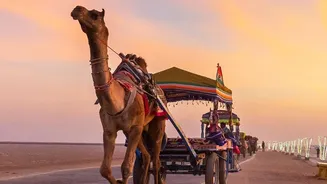
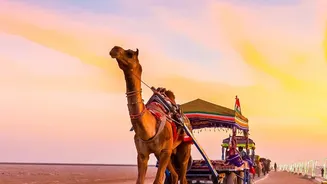
states have guided their camels, horses, and cattle to the sprawling dunes, creating a living, breathing marketplace that has existed for centuries. This period is a photographer's dream, offering a raw, authentic glimpse into the lives of the traders. The air buzzes with negotiations as thousands of animals are inspected, groomed, and traded against the backdrop of the Aravalli hills.
The Heart of the Mela: The Camel Fair
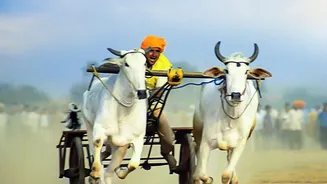
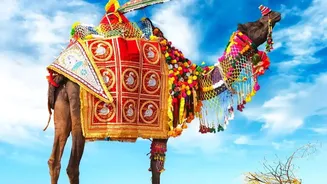
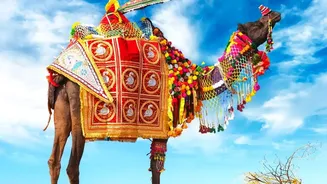
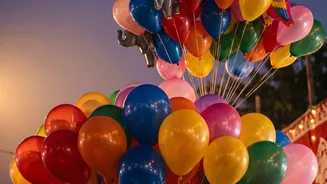
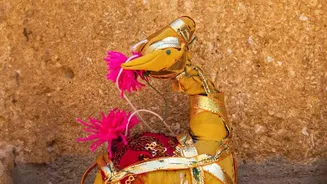
While trade is the foundation, the spectacle is what captures the imagination. Even in the early days, the fairgrounds are alive with activity. Camels are adorned in colourful finery, with intricate patterns shorn into their coats and decorated with tassels and bells. The first few days are dedicated to the more traditional and trade-focused aspects, but this soon gives way to a host of competitions. Events scheduled include camel decoration pageants, livestock displays, and races. These competitions are a source of great pride for the owners and a unique form of entertainment for the lakhs of visitors who attend.
Culture Takes Centre Stage
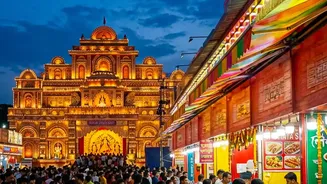
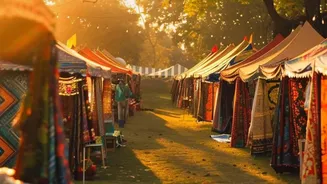
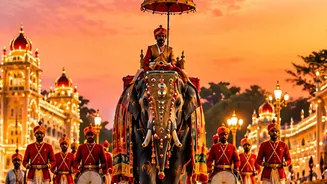
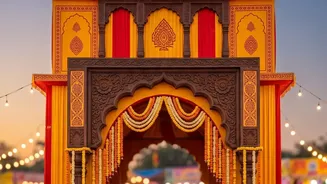
As the fair progresses towards its peak, the cultural festivities sponsored by Rajasthan Tourism begin to unfold from around November 21. The Mela grounds and the town itself will come alive with folk music and dance performances. Expect to see captivating Kalbelia and Ghoomar dancers, and hear the haunting melodies of the ravanhatha. The Shilpgram, a dedicated arts and crafts village, offers a chance to buy authentic Rajasthani textiles, leather goods, and jewellery directly from artisans. The schedule also features a variety of quirky and beloved competitions, including the famous longest moustache contest, turban tying, and even a bridal competition.
A Spiritual Pilgrimage
The Pushkar Mela is layered, existing as two events in one: a livestock fair and a major Hindu pilgrimage. The entire event is timed to coincide with the holy month of Kartik, culminating on the full moon day, Kartik Purnima, which falls on November 24. On this final day, tens of thousands of pilgrims will gather to take a holy dip in the sacred Pushkar Lake, a ritual believed to cleanse sins. The 52 ghats surrounding the lake become a focal point, especially during the evenings, when the magical Maha Aarti ceremony takes place, with hundreds of lamps casting a golden glow upon the water. The town is also home to the world's only major temple dedicated to Lord Brahma, a key site for visiting pilgrims.
Tips for Visitors
Pushkar is located about 14 km from Ajmer, which is the nearest major railway and transport hub. From Ajmer, taxis and buses are readily available, though roads become congested during fair week. Accommodation should be booked far in advance as prices rise significantly. Options range from heritage hotels to seasonal tented camps that offer an immersive experience. For the best experience, plan for at least two to three days. Dress modestly out of respect for the town's holy status, and be prepared for cool mornings and warm afternoons. Always ask for permission before photographing people or their livestock.