


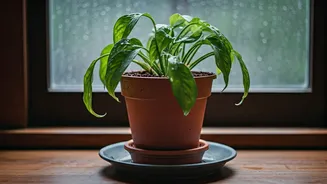
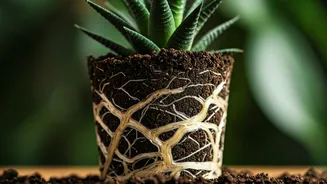
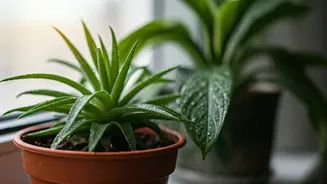


Why Green Tea for Ferns?
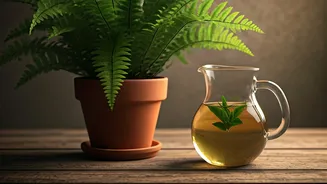
It might sound like an old wives' tale, but there's a good reason why a splash of cooled green tea can perk up your ferns. Green tea leaves contain nitrogen, which is essential for healthy, leafy growth. They also contain tannins, or tannic acid, which can help
to slightly lower the pH of the soil. Many popular ferns, which in their natural habitat grow on forest floors covered in decomposing leaves, prefer slightly acidic soil. This gentle acidity can help the plant unlock and absorb key micronutrients like iron from the soil, which is crucial for producing the deep green colour in their fronds. Think of it not as a powerful chemical fertilizer, but as a mild, natural tonic that mimics a fern's native environment.
The Right Way to Brew for Your Plants
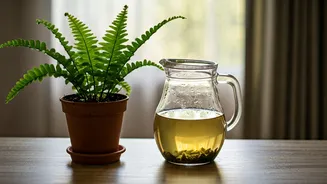
Preparing this plant-friendly drink is simple, but the details matter. First and foremost, only use plain, unsweetened green tea. Sugar, milk, or artificial flavourings can attract pests like fungus gnats and promote mould growth in the soil. Simply brew a bag of green tea as you normally would, or use your leftover tea from the pot. The most important step is to let it cool down completely to room temperature. Pouring warm or hot liquid on your plants can shock and damage their delicate root systems. For a safe application, it's best to dilute the cooled tea. A good ratio to start with is one part tea to two or three parts water to create a weak solution. This ensures you're providing a gentle boost without overwhelming the plant.
How to Apply and How Often
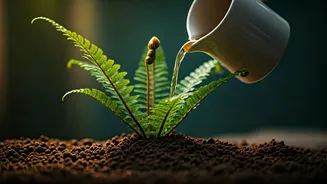
Once your cooled, diluted green tea is ready, use it to water your fern at the base, drenching the soil until water runs out of the drainage holes. Avoid splashing the fronds directly. This method should be used as an occasional supplement, not a replacement for regular watering. A good rule of thumb is to treat your ferns with this tea solution once every two to four weeks during their active growing season in the spring and summer. During the winter months, when plant growth naturally slows, you should reduce or pause these feedings. Over-application can lead to an overly acidic soil environment or attract pests, so moderation is key. Always watch your plant for its reaction; its health is the best indicator of whether the treatment is working.
What to Watch Out For
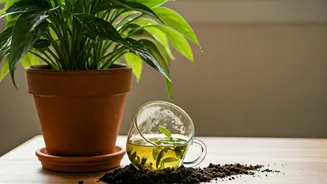
While beneficial, green tea isn't a cure-all and comes with a few warnings. The main risk is creating a habitat for fungus gnats, which are attracted to damp, organic material. This is why it's crucial to let the soil surface dry out slightly between waterings and to avoid leaving damp tea bags sitting on top of the soil. Using diluted tea water is generally safer than adding wet leaves directly to the surface of indoor pots. Furthermore, not all plants appreciate acidic conditions. While ferns, roses, azaleas, and spider plants often respond well, plants that prefer alkaline soil, such as lavender or certain vegetables, will not benefit. Remember, this is a supplement, not a complete fertilizer. Your fern will still need appropriate light, humidity, and a balanced fertilizer to truly thrive.