










The Promise of a 10-Minute Life
Quick commerce, or instant delivery, has exploded across India, turning a want into a need. Platforms such as Blinkit, Swiggy Instamart, and Zepto now deliver everything from daily essentials to electronics in under 30 minutes. This is made possible by
a network of 'dark stores' — small, local warehouses packed with popular items, designed purely for speed. For young, busy urbanites, the appeal is obvious: it saves time and solves immediate needs, whether it's a missing ingredient for dinner or a last-minute party essential. This convenience has fundamentally reshaped consumer expectations, making instant access the new normal for millions.
For Young Shoppers: Convenience vs. Impulse
The primary audience for these apps is the tech-savvy younger generation who values speed. However, this convenience often encourages impulsive buying. Studies show that the ease of ordering leads to incremental purchases—items you wouldn't have bought otherwise, like extra snacks or drinks just to meet a minimum order value. This culture of instant gratification can strain personal finances. What starts as a solution for a forgotten item can quickly become a habit of unplanned spending. The challenge for young shoppers is to use these services for genuine needs rather than letting the convenience dictate their consumption habits.
For Household Budgeters: The Unseen Costs
Managing a household budget requires careful tracking, but quick commerce makes it easy for costs to slip through the cracks. Beyond the product price, a typical order includes a delivery fee, a handling or platform charge, surge pricing during peak hours, and GST. These small amounts, often called 'drip pricing', don't seem like much on their own, but they add up significantly over a month. Experts note that what feels like a small convenience tax can leak thousands of rupees from a family's annual budget. For budget-conscious households, the key is to be aware of these cumulative costs and not let the allure of speed overshadow smart financial planning.
For Local Brands & Kiranas: Threat or Opportunity?
The rise of instant delivery has been a double-edged sword for small local businesses. Many neighbourhood kirana stores have struggled to compete with the speed, discounts, and vast inventory of large, well-funded platforms, with some reports indicating closures. These platforms can buy in bulk, offering prices that are hard for small shops to match. However, it's not all grim. Some platforms partner with local stores for fulfillment, and new digital tools are helping kiranas create their own online presence to offer home delivery. For local brands, these apps can be a powerful sales channel, offering visibility to a massive user base, though the fees and advertising costs can be high.
Your Smart Guide to Instant Delivery
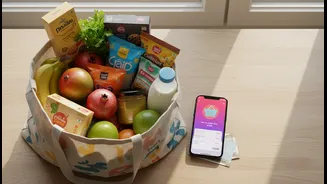
To master the world of quick commerce, a mindful approach is best. First, plan your purchases. Use these apps for urgent needs, not for your entire weekly shopping, which is often cheaper at a supermarket or local market. Second, compare before you buy. Prices for the same product can vary between apps, and one might have a promotion that another doesn't. Third, watch out for hidden fees. Be mindful of delivery charges, small cart fees, and surge pricing, and see if a subscription model like Swiggy One or Zomato Gold actually saves you money based on your usage. Finally, don't forget your local kirana. For many items, a quick walk to the corner store is still the most cost-effective and community-friendly option.