

From ‘Been There’ to ‘Done That’
The question is no longer just ‘where did you go?’ but ‘what did you do?’. This change is powerfully shaped by social media, where a unique activity often carries more currency than a photo in front of a crowded landmark. Platforms like Instagram and YouTube
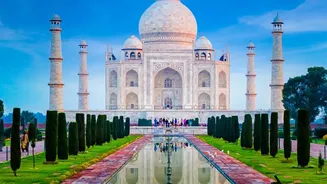
have become primary sources of travel inspiration, but the focus has evolved. While a picture of the Taj Mahal is classic, a video of you learning to cook a regional dish, attending a local festival like Lathmar Holi, or camping under the stars in Ladakh feels more personal and engaging. This has turned travel into a form of storytelling, where the plot is a unique, unrepeatable experience rather than a visit to a well-known location. The goal is to return with a story that no one else has.
The Search for Authenticity and Connection
There's a growing desire among young travellers to move beyond the tourist trail and engage in what feels real. This generation is actively seeking authentic, immersive encounters over crowded, pre-packaged tours. Instead of just observing a culture from a distance, they want to participate in it. This translates into choosing homestays over hotels to connect with local families, taking part in community-based tourism, or exploring rural villages. According to a recent survey, an overwhelming 84% of Indian travellers have shown a greater interest in cultural travel within the country. It reflects a deeper hunger for genuine connection, both with the place and its people, creating memories that feel more meaningful and transformative.
Personal Growth as the New Souvenir
For many young Indians, travel has become a powerful tool for personal development. Stepping outside one's comfort zone, whether through adventure sports, solo trips, or navigating an unfamiliar culture, is seen as an opportunity to build confidence and resilience. In fact, 93% of Gen Z travellers report that travel improves their mental wellbeing. The challenge of a Himalayan trek, the mindfulness of a yoga retreat, or the skill learned in a craft workshop are becoming the new souvenirs. These experiences offer a sense of accomplishment and learning that a simple sightseeing trip often cannot provide. The journey is valued not just for the escape it offers, but for the personal growth it inspires long after the trip is over.
Value for Money, Not Just a Low Price
While young travellers are often budget-conscious, their decisions are driven by value, not just the lowest cost. They are willing to spend, but are more selective about where their money goes, prioritising a memorable activity over a luxury hotel room. India’s experiential travel market is projected to reach USD 45 billion by 2027, driven largely by travellers aged 18-35. This economic shift sees them investing in things like specialised food trails, wildlife safaris in less-crowded parks like Pench, or adventure courses. An offbeat getaway might offer more affordable accommodation and food, freeing up funds for activities that deliver greater emotional returns and a stronger sense of fulfilment. It's a calculated trade-off: spend less on the bed, more on the memory.