



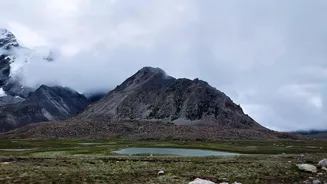


The Allure of the Mist
Sikkim, the tiny Himalayan state, transforms into a mystical paradise during the post-monsoon months of September to November and again in the spring from March to May. While many treks are avoided during the monsoon, the shoulder seasons offer a unique
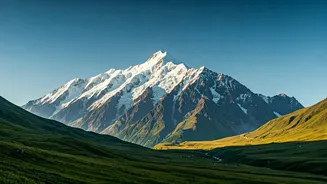
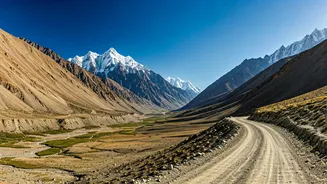
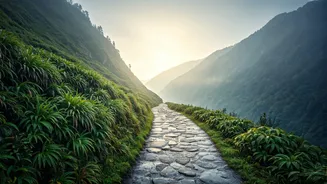
charm. The trails are enveloped in a soft, ethereal mist, lending an air of mystery to the dense forests and high-altitude meadows. This weather, combined with lush greenery revived by the rains, creates a photographer's dream and a trekker's delight. The air is crisp, the views are often dramatically revealed as the mist clears, and the trails are less crowded, offering a more serene experience in the lap of the Himalayas.
Yuksom: The Historic Gateway
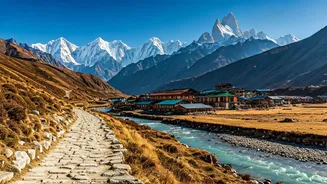
Nearly all epic treks in West Sikkim begin at Yuksom. Once the first capital of the kingdom of Sikkim, this quiet village is steeped in history and serves as the official trailhead for the Khangchendzonga National Park. Trekkers spend a day here acclimatising, arranging permits, and soaking in the tranquil atmosphere. A short walk to the Norbugang Coronation Throne, where the first Chogyal (king) of Sikkim was crowned in 1642, or a hike up to the ancient Dubdi Monastery, provides a perfect warm-up and a glimpse into the region's rich cultural and spiritual heritage before you even step onto the main trail.
The Legendary Goecha La Trek
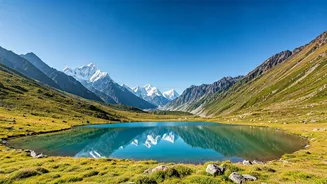
For the serious trekker, the Goecha La trek is a bucket-list achievement. This challenging 10-to-11-day journey covers roughly 90 kilometres, taking you deep into the heart of the Khangchendzonga National Park. The trail winds through vibrant rhododendron forests, past the serene Samiti Lake, and culminates at the Goecha La pass, which stands at an altitude of around 15,100 feet. The reward for this arduous climb is an unparalleled, close-up sunrise view of the Kanchenjunga massif, the world's third-highest peak. The sight of the sun turning the snow-covered peaks into a canvas of gold and orange is an experience that stays with you forever.
The Rewarding Dzongri Trek
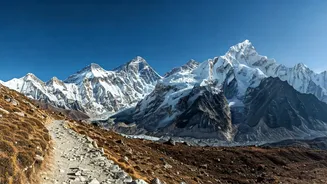
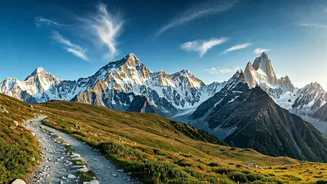
If you are short on time but still crave spectacular mountain views, the Dzongri Trek is the perfect alternative. Essentially the first half of the Goecha La route, this 5-to-7-day trek takes you to the stunning viewpoint of Dzongri Top, at an altitude of about 13,779 feet. The trek is considered moderate to difficult due to the altitude gain but is manageable for fit beginners. From Dzongri, you are treated to a breathtaking 360-degree panorama of snow-capped peaks, including the formidable Kanchenjunga and Mt. Pandim. Waking up before dawn for the short hike to the viewpoint to witness the sunrise is a highlight of any trip to Sikkim.
Exploring Shorter, Quieter Trails
Beyond the famous long-distance routes, Sikkim offers a variety of shorter, more accessible treks. The Barsey Rhododendron Trek, for instance, is a delight in spring, offering a relatively easy walk through forests bursting with colour. Similarly, trails around Pelling and Ravangla, like the Tinjurey Trek, provide stunning views of Kanchenjunga without the commitment of a high-altitude expedition. These trails are perfect for families or those looking for a gentler introduction to the wonders of Himalayan walking, offering a taste of the region's natural beauty and cultural richness.
Planning Your Himalayan Adventure
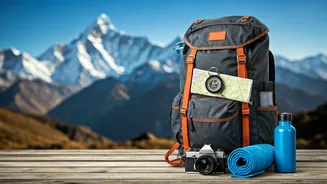
Trekking in Sikkim requires some planning. Permits are mandatory for most popular treks, especially within the Khangchendzonga National Park. These can be easily arranged through registered travel agencies in Yuksom or Gangtok. It's essential to trek with a certified guide and a proper support team, including porters or yaks, as these are remote trails with no homestays en route. The best time to experience these misty trails is from March to May and September to November, when the weather is stable and the views are clear. Pack warm layers, as temperatures can drop significantly at night, along with good quality waterproof gear and sturdy trekking boots.