




What Exactly is a Solid-State Battery?
Think of it as a major upgrade to the lithium-ion batteries currently powering most electric vehicles. A conventional battery uses a liquid or gel-like substance, called an electrolyte, to move energy around inside. A solid-state battery, as the name
suggests, replaces this flammable liquid with a solid material, such as ceramic or a polymer. This single change is the key that unlocks a cascade of benefits. By removing the liquid, engineers can create batteries that are more compact, more stable, and capable of using more advanced materials, leading to significant performance gains. While lithium-ion batteries have been instrumental in getting the EV industry to where it is today, solid-state technology represents the next major leap forward in energy storage.
A Leap Forward in Safety and Peace of Mind
Perhaps the most immediate and crucial benefit for any two-wheeler owner is safety. Stories of battery fires, often caused by damage or overheating leading to a condition called 'thermal runaway' in liquid-filled batteries, have created significant concern. Solid-state batteries fundamentally solve this problem because their solid electrolyte is non-flammable. This drastically reduces the risk of fire, even if the battery is punctured or operates in extreme heat, a common condition on Indian roads. For an entry-level buyer who may be charging their vehicle overnight in an apartment or a dense parking area, this enhanced safety offers invaluable peace of mind.
More Kilometres, Less Anxiety
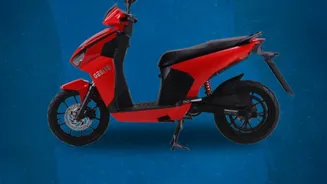
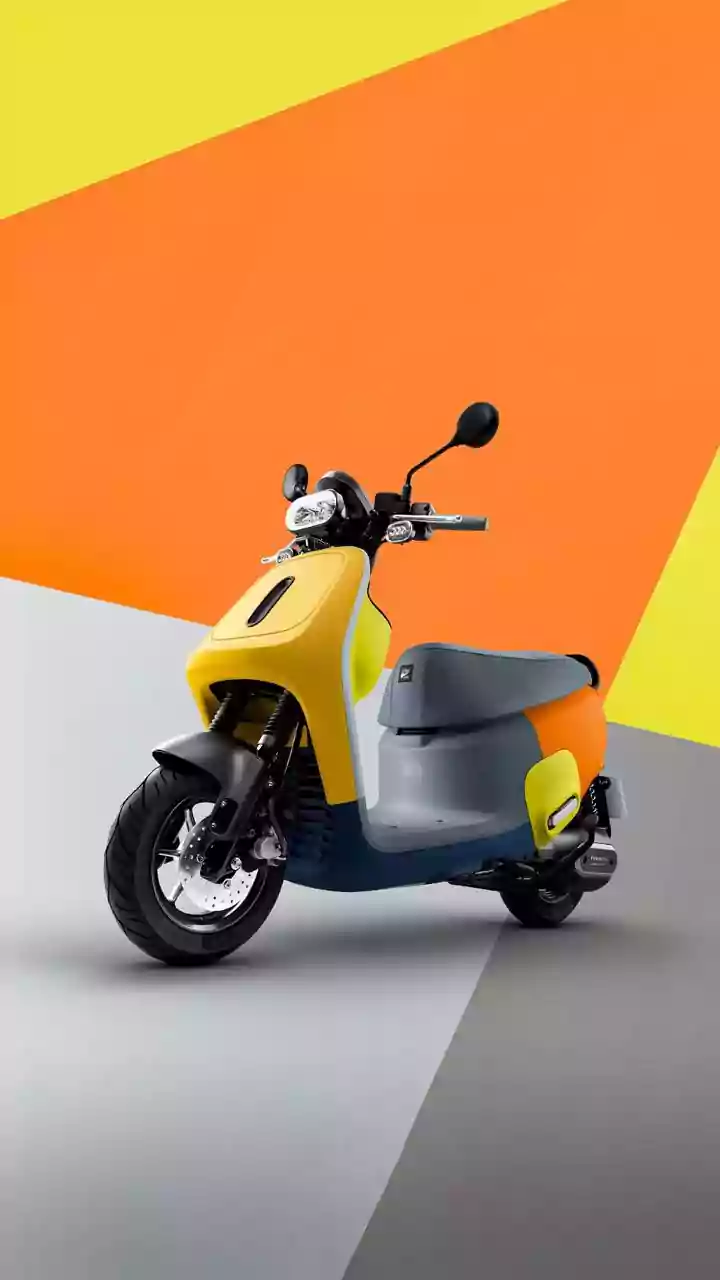
Range anxiety is the persistent fear that your electric vehicle will run out of power before you reach your destination. Solid-state technology tackles this head-on by offering significantly higher energy density. This means a battery of the same size and weight as a current lithium-ion pack can store much more energy—potentially 50% or more. For an affordable electric scooter, this could mean the difference between a 70-kilometre range and a 120-kilometre range, without making the vehicle heavier or bulkier. This extended range makes electric two-wheelers a more practical choice for longer commutes or trips without the constant need to plan for a recharge.
Charging in Minutes, Not Hours
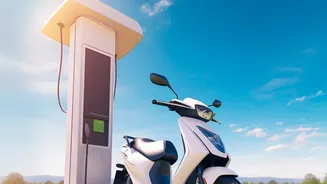
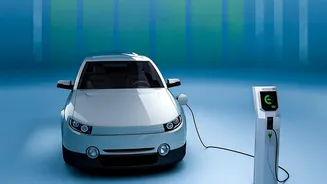
One of the biggest hurdles for EV adoption is the time it takes to recharge. Current entry-level scooters can take several hours for a full charge. Solid-state batteries promise to change this dramatically. Their inherent stability allows them to handle much higher charging currents without the risk of degradation or overheating. While today's batteries might take 4-6 hours, future solid-state packs could potentially reach an 80% charge in under 15-30 minutes. This transforms the ownership experience, making it possible to get a meaningful top-up during a short break, much like filling a tank with petrol.
The Path to a Lower Price Tag
Initially, solid-state batteries will be more expensive and likely appear in premium vehicles. However, the long-term potential for cost reduction is enormous. The design is simpler, requiring fewer components like cooling systems and heavy containment structures. As manufacturing processes mature and scale up, the cost is expected to fall significantly. Furthermore, some Indian companies like Inventus and GODI are already working on advanced battery chemistries, including solid-state tech, which could accelerate localisation and reduce import dependency. While cost parity won't happen overnight, the technology's trajectory points towards making the battery—the most expensive component of an EV—more affordable, directly benefiting the entry-level market in the long run.