




What Are Ultra-Thin Solar Sheets?
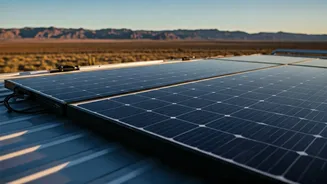
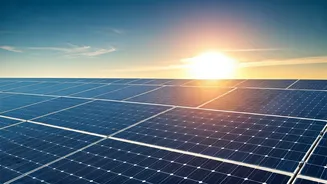
Unlike the heavy, rigid glass solar panels you see on rooftops, ultra-thin portable solar sheets are a different breed of technology. Often called flexible or semi-flexible panels, they are made from advanced photovoltaic cells bonded to a lightweight,
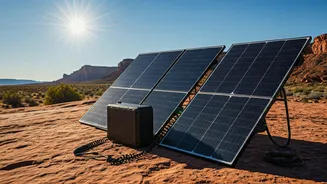
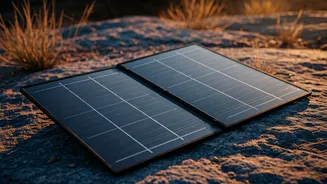
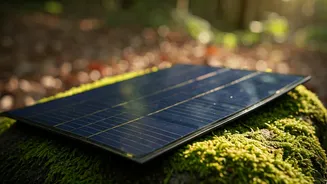
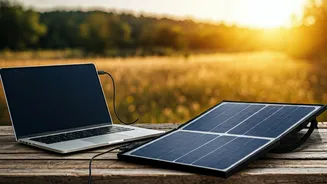
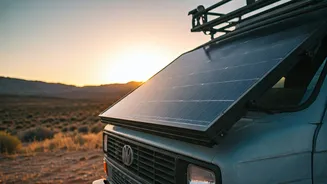
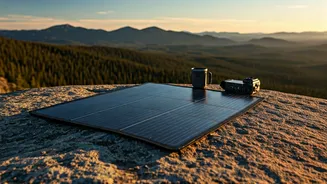
pliable backing. This allows them to be incredibly thin—sometimes just a few millimetres—and significantly lighter than their traditional counterparts. You can roll them up like a yoga mat or fold them into a compact square, making them perfect for stashing in a backpack or the boot of a car. They are designed specifically for portability, trading the extreme durability of a fixed installation for the convenience of power on the go. This innovation means you no longer need a large, dedicated vehicle setup to harness the sun's energy; you can simply lay a sheet out on your tent, car roof, or a sunny patch of ground.
The Freedom of Off-Grid Power
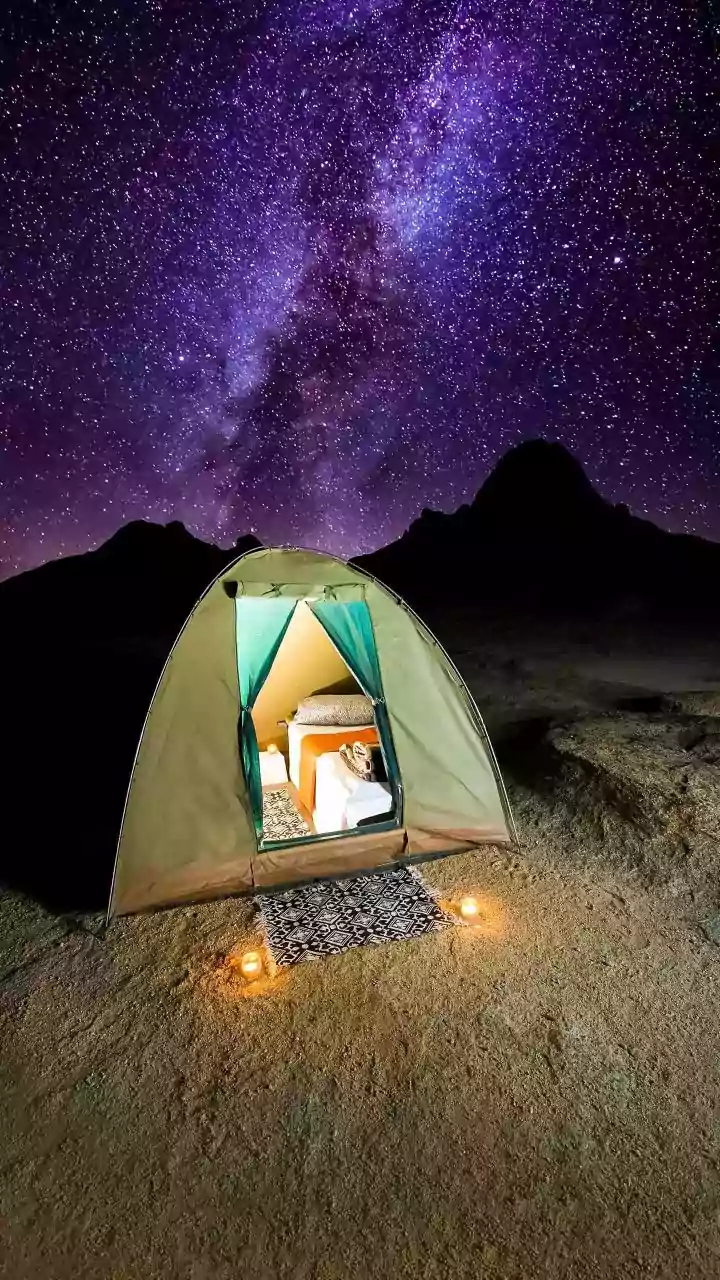
For the modern adventurer in India, the biggest challenge of going truly remote isn't navigation—it's power. Your phone is your map, camera, and lifeline. Your laptop might be essential for work, and your drone captures those breathtaking aerial shots. Relying on power banks only gets you so far, and finding a reliable charging point in a remote village or national park can be impossible. This is where portable solar liberates you. It provides a sustainable, silent, and endless source of energy (as long as the sun is shining). You can keep your devices charged for safety and convenience, power a portable fan on a sweltering afternoon, or keep your camera batteries full to capture every moment of your journey. It’s about self-sufficiency, enabling longer stays in beautiful, isolated locations without sacrificing modern essentials.
How to Choose the Right Solar Sheet
Selecting the right panel can feel daunting, but it boils down to four key factors. First is Wattage (W): This measures power output. A 20-50W panel is great for charging phones and power banks. For larger devices like laptops or portable power stations, you'll want something in the 100-200W range. Second is Efficiency: This is the percentage of sunlight the panel converts into electricity. Higher efficiency (20-24%) means more power from a smaller or lighter panel. Third is Portability: Check the weight and folded dimensions. A panel for backpacking must be significantly lighter than one for car camping. Finally, consider Durability: Look for panels with an ETFE coating, which is more resilient to scratches, weather, and UV degradation than the cheaper PET film. Also, check for an IP rating (like IP67) which indicates its level of water and dust resistance.
Essential Companion Gear
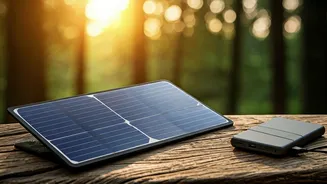
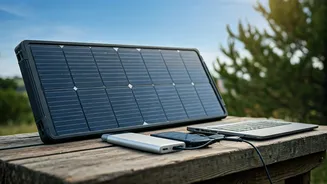
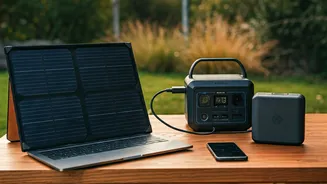
A solar sheet is only one part of your off-grid power system. On its own, it can’t store energy. You need to pair it with a storage device. For small needs like charging a phone, a high-capacity power bank (20,000mAh or more) with a solar-compatible input will suffice. The panel charges the power bank during the day, and you can use the power bank to charge your devices at night. For more demanding needs—powering laptops, drones, or a small cooler—a portable power station is the answer. These are essentially large, sophisticated batteries with built-in inverters and multiple outlets (USB-A, USB-C, AC). Your solar panel plugs directly into the power station to recharge it. Many panels also come with a charge controller, a small device that regulates the voltage from the panel to prevent it from overcharging and damaging your batteries.
Making the Most of Your Solar Setup
Harnessing solar power effectively is both a science and an art. To maximise your output, always position your panel to face the sun directly. As the sun moves across the sky, you may need to re-angle the panel every couple of hours. Propping it up against your backpack or using built-in kickstands is much more effective than laying it flat on the ground. Keep the surface clean; a layer of dust or dirt can significantly reduce efficiency. Be mindful of shadows from trees, your tent, or even a passing cloud, as they can drastically cut power generation. Finally, understand your energy budget. Know how much power your devices consume and plan your usage accordingly. Charge your most critical items first when you have strong, direct sunlight.