
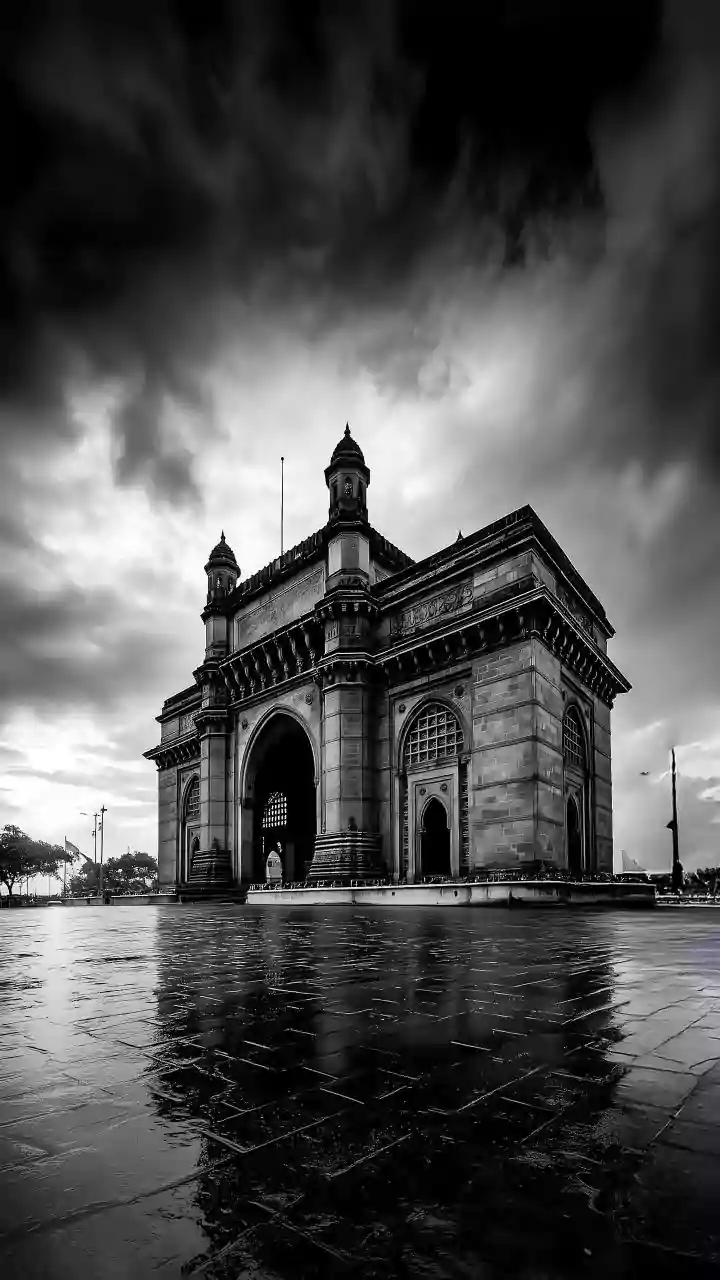





This Year's Chaos Arrives on Schedule
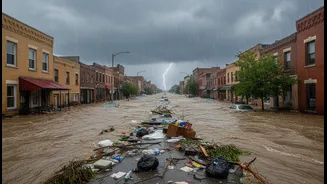
The first few weeks of this year's monsoon have already proven catastrophic. In Mumbai, heavy rains led to the collapse of a dilapidated building in Mankhurd, killing six people, including five children. The downpour, exceeding 200mm in 24 hours in some
areas, caused widespread flooding, forced school closures, and triggered landslides on the crucial Mumbai-Pune expressway. Meanwhile, Delhi and the National Capital Region have been thrown into disarray, with heavy rains on July 7 causing severe waterlogging in areas like Geeta Colony and Chhatarpur. A significant portion of the Delhi-Jaipur highway near Gurugram caved in, leading to major traffic disruptions and highlighting the fragility of critical transport arteries.
A System Designed to Fail
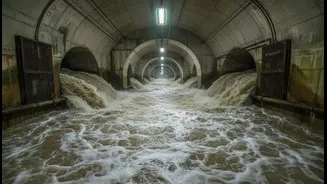
This annual paralysis is not a surprise; it is a direct consequence of systemic failure. Much of the urban drainage infrastructure is decades, if not a century, old. Mumbai’s storm drains, dating back to the 1860s, were designed for rainfall of 25 mm per hour, a fraction of the 100 mm-plus bursts now common. Similarly, Delhi operates on a drainage plan from 1976. This outdated infrastructure is battling a modern-day onslaught of rapid, unplanned urbanisation. Vast stretches of permeable land have been replaced with concrete, which drastically increases surface runoff. Natural sponges like lakes, wetlands, and floodplains have been systematically encroached upon and built over, destroying the city's natural ability to absorb rainwater.
The Devastating Human Cost
The consequences of this infrastructural decay are measured in more than just inconvenience. Lives are tragically lost, as seen in the recent building collapse in Mumbai's Mankhurd, an area known for illegal construction on weak, reclaimed soil. The incident where an illegal structure fell onto an adjacent home is a grim reminder of how the most vulnerable pay the highest price. Beyond these fatal incidents, millions face daily hardships: lost wages from being unable to commute, health crises from water-borne diseases spreading in stagnant water, and severe damage to homes and property. In Bengaluru's 2022 floods, IT companies suffered massive economic losses, demonstrating that the fallout affects all sectors of society.
Climate Change: The Threat Multiplier
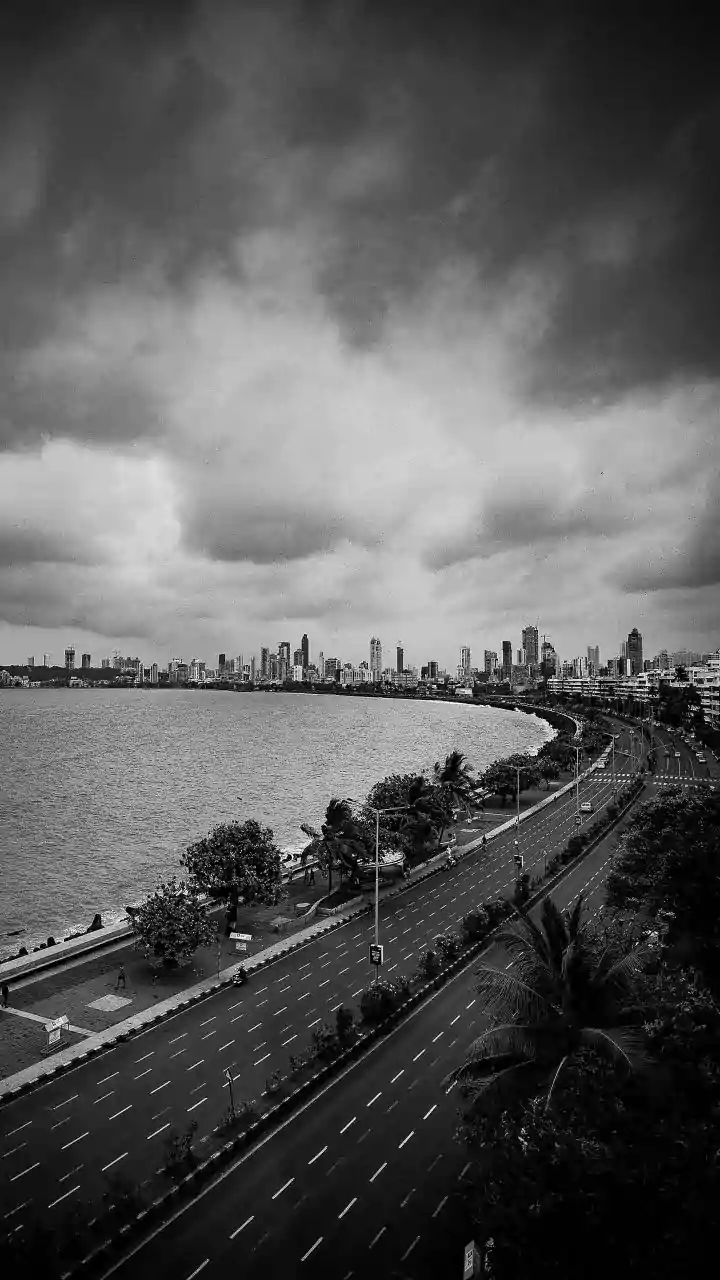
Compounding these local failures is the global threat of climate change. The monsoon's character is changing. Instead of steady, distributed rainfall, cities are now experiencing shorter, more intense downpours that would overwhelm even well-maintained systems. A warming Arabian Sea is contributing to more volatile and hyper-concentrated rainfall events over Mumbai. This shift means that planning based on historical rainfall averages is no longer viable. The annual reality check is becoming more severe, as extreme weather events expose the deep-seated vulnerabilities of urban India with increasing frequency and intensity.
Beyond the Annual Blame Game
Every year, the floods trigger a predictable cycle of blame. Citizens blame municipal corporations, officials point to unauthorised constructions, and everyone laments the lack of civic sense as garbage clogs the few functioning drains. While these are all contributing factors, they are symptoms of a deeper malaise: a lack of accountability, weak urban local bodies, and a failure to integrate long-term climate resilience into urban planning. Projects to upgrade drainage, like Mumbai's BRIMSTOWAD, remain incomplete decades after they were proposed following the devastating 2005 floods. Without a fundamental shift towards proactive, empowered, and accountable city governance, this annual disaster will continue to be a defining feature of urban life in India.