






Why Relocate a Tiger?
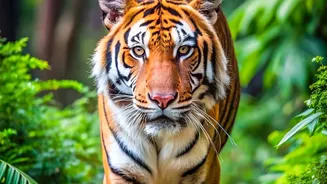
Moving a tiger is a complex and risky endeavour, undertaken only when necessary. One major reason is to re-establish populations in areas where they have gone locally extinct, a strategy that has seen incredible success in reserves like Sariska and Panna.
Another driver is to relieve population pressure in reserves that have become too crowded, which can lead to intense territorial fights. Relocation also helps manage human-wildlife conflict, moving tigers that stray into villages. Finally, it is a crucial tool for enhancing genetic diversity by connecting isolated groups of tigers, preventing the risks of inbreeding.
The High-Stakes Relocation Mission
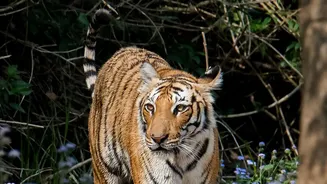
A tiger relocation is a meticulously planned operation involving scientists, veterinarians, and forest officials, usually guided by the National Tiger Conservation Authority (NTCA). First, a suitable tiger is identified—often a young, transient animal that hasn't established its own territory. A behavioural study may be done to ensure its suitability. The animal is then tranquilized using a dart gun. Once sedated, the team works quickly to conduct a health check, take measurements, and fit a radio collar for post-release monitoring. The tiger is then carefully transported by road or air to its new home. Sometimes, the tiger is first moved to a large, fenced enclosure for a 'soft release', allowing it to acclimatize before being fully released into the wild. This critical step reduces the chances of the tiger making a panicked dash back towards its original home.
What Are Wildlife Corridors?
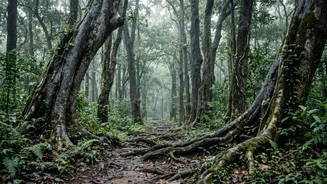
While relocation addresses immediate issues, long-term survival depends on connectivity. Wildlife corridors are strips of land that act as natural bridges, connecting larger, protected forest habitats. Think of them as 'wildlife highways' that allow tigers and other animals to move between different reserves. This movement is essential for tigers to find mates, establish new territories, and access food and water. Without these corridors, tiger populations become isolated in 'islands' of forest, leading to genetic decline and making them more vulnerable to extinction. The Central Indian landscape, for example, holds about 37% of the nation's tigers, but many of its sub-populations would not be genetically viable without these connecting corridors.
Restoring Ancient Pathways
Unfortunately, many of these vital corridors are under threat from rapid development, including the construction of roads, railways, mines, and canals. Restoring them is a monumental task. A key strategy involves community participation and providing sustainable livelihood options to people living in and around corridor areas to reduce dependency on the forest. Another critical component is working with infrastructure projects to create safe passages for animals. India has become a leader in building wildlife-friendly structures like underpasses and overpasses, which allow animals to cross busy highways safely. In some cases, voluntary village relocation programmes, guided by the NTCA, are undertaken to create inviolate space in critical habitats, with compensation packages offered to families.
Successes and Ongoing Challenges
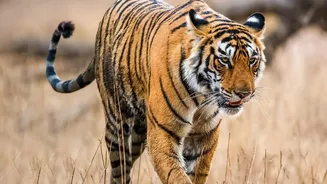
The twin strategies of relocation and corridor restoration have produced some of conservation's greatest comeback stories. Panna Tiger Reserve, which had lost all its tigers by 2009, now has a thriving population of over 50 thanks to a successful reintroduction program. Similarly, Sariska was repopulated after its tigers were wiped out by poaching. However, challenges remain. Not all relocations succeed; the first inter-state translocation to Satkosia in Odisha failed due to a combination of factors, providing hard-learned lessons. Furthermore, securing legal protection for corridors remains difficult as they are not as strictly defined in law as national parks or tiger reserves. Balancing India's development needs with the imperative of preserving these ecological arteries is the central challenge for the future of the tiger.