




The quest for a longer, healthier life is as old as time, but modern science is shifting focus from magic potions to our dinner plates. A growing body of research suggests that how much protein we eat may influence the very speed at which we age.
The Link Between Diet and Longevity
For decades,
scientists have known that caloric restriction—eating significantly fewer calories without malnutrition—can extend the lifespan of various organisms, from fruit flies to mice. However, sticking to a strict low-calorie diet is challenging for most people. This has led researchers to ask a more specific question: could restricting a particular macronutrient, rather than overall calories, offer similar benefits? Recent reviews of hundreds of studies suggest that protein may be a key piece of the puzzle. In numerous animal studies, diets lower in protein but not necessarily lower in total calories were associated with longer, healthier lives.
What Are Nutrient-Sensing Pathways?
To understand how protein affects ageing, we need to look deep inside our cells at what are called nutrient-sensing pathways. Think of these as the body's microscopic managers. Pathways with names like mTOR (mechanistic target of rapamycin) and IIS (insulin/insulin-like growth factor 1 signaling) are constantly monitoring the availability of nutrients, especially amino acids (the building blocks of protein) and glucose. When nutrients are abundant, these pathways signal the cells to enter a 'growth and proliferation' mode. When nutrients are scarce, they switch the signal to a 'conservation and repair' mode.
Protein's Role: Growth vs. Repair
High protein intake keeps the mTOR pathway highly active. This is great for building muscle, but constant activation might come with a long-term cost. An perpetually active 'growth' signal is thought to suppress crucial cellular maintenance processes, most notably autophagy. Autophagy is the body’s internal recycling program, where cells clean out damaged components and misfolded proteins. When this cleanup process is inhibited, cellular 'junk' can accumulate, which is considered a hallmark of ageing. Protein restriction, on the other hand, dampens the mTOR signal. This shifts the cellular focus from building new things to repairing and maintaining what’s already there, a state that is strongly linked with longevity in animal models.
Not All Protein Is Created Equal
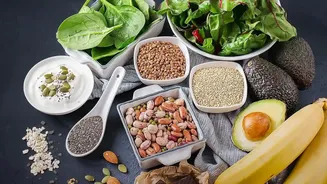
The research is also becoming more nuanced, suggesting that the type and source of protein matter. Some studies indicate that high intake of animal protein, particularly during middle age, is more strongly associated with increased mortality risk than plant-based protein. Furthermore, scientists are zeroing in on specific amino acids, such as methionine and branched-chain amino acids (BCAAs), which are more abundant in animal products. Restricting these specific amino acids, even without a major drop in total protein, appears to replicate some of the longevity benefits seen in broader protein restriction studies in animals.
A Word of Caution
Before you clear your pantry of protein, it's crucial to understand the context. The evidence for lifespan extension is primarily from animal studies, and the human data is still emerging. Moreover, protein needs are not one-size-fits-all. Older adults, in particular, face the risk of sarcopenia—age-related muscle loss—and may actually need more protein, not less, to maintain strength, mobility, and overall function. People who are physically active also have higher protein requirements to support muscle repair and growth. The consensus among many researchers is that for the average sedentary person, a moderate protein intake is likely healthier than the very high levels often promoted today.