




Decoding the Nutrition Label
The nutrition facts panel on packaged foods is your first tool. In India, look for the ‘% RDA’ (Recommended Dietary Allowance) for calcium. This percentage tells you how much one serving of that food contributes to your daily calcium needs, which the Indian
Council of Medical Research sets at about 600 mg for adults. A simple rule of thumb is that 5% RDA or less is low in a nutrient, while 20% or more is high. This is especially useful for fortified foods like cereals, juices, or plant-based milks, where calcium has been added. Always check the serving size; if you eat more than one serving, you'll need to multiply the % RDA accordingly to get an accurate picture.
Your Calcium-Rich Indian Pantry
Real calcium planning happens when you stock your kitchen with naturally rich ingredients. Dairy products like milk, yogurt (curd), and paneer are well-known, reliable sources. A single cup of milk or yogurt can provide around 300 mg of calcium. But the Indian pantry offers a wealth of non-dairy options too. Millets like ragi are a powerhouse, with one cup offering more calcium than a glass of milk. Leafy greens are also champions; drumstick leaves (moringa), methi (fenugreek), and amaranth leaves (chaulai) are exceptionally high in calcium. Don't overlook seeds and legumes. A tablespoon of sesame seeds (til) contains nearly 100 mg of calcium, while chickpeas (chana) and other lentils add a valuable boost.
Smart Kitchen Strategies
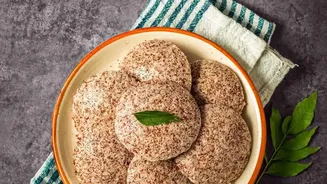
Incorporating these ingredients into daily meals is simpler than it sounds. Start by making small swaps. Use ragi flour mixed into your regular roti or dosa batter. Sprinkle toasted sesame seeds over salads, rice dishes, or vegetable stir-fries. Make it a habit to add finely chopped drumstick or methi leaves to your dal, sambar, or sabzi. For a protein and calcium-rich meal, paneer is an excellent choice. For those who are vegan or lactose intolerant, calcium-set tofu is a fantastic substitute for paneer in curries and scrambles. Blending a handful of almonds into smoothies or soaking them for a morning snack also contributes to your daily intake.
Maximising Absorption, Minimising Loss
Consuming calcium-rich foods is only half the battle; your body also needs to absorb it effectively. Vitamin D is calcium's essential partner, helping your body take in the mineral. Pairing your calcium sources with vitamin D-rich foods like egg yolks and mushrooms, along with sensible sun exposure, can significantly improve absorption. It's also wise to spread your calcium intake throughout the day rather than consuming it all in one meal, as your body absorbs smaller amounts more efficiently. Conversely, be aware of substances that can interfere with calcium absorption. Very high-fibre diets and foods rich in oxalates (like spinach and rhubarb) and phytates (found in whole-grain breads and beans) can bind to calcium, making it less available to your body. This doesn't mean you should avoid these healthy foods, but rather focus on a balanced diet.