





First, Understand the Enemy
That signature monsoon smell isn't just dampness; it's the result of mould and mildew thriving in the high-humidity environment. These fungi flourish in dark, poorly ventilated spaces like cupboards, bathrooms, and corners where moisture gets trapped.
Fabrics, wooden furniture, and walls easily absorb this moisture, becoming perfect breeding grounds. To truly defeat the smell, you need to tackle both the existing odour and its root cause: excess moisture.
Immediate Action: Neutralise the Odour
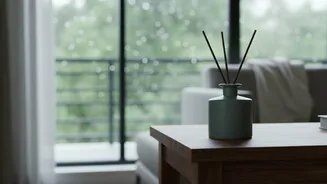
When the smell is already present, you need quick solutions. Open bowls of white vinegar or baking soda are excellent natural odour absorbers; place them in stuffy rooms or corners to neutralise the air. Camphor is a traditional Indian remedy that is highly effective; place a few camphor balls in small muslin bags and tuck them into wardrobes and drawers. You can also crumble a small piece into your mop water for a house-wide refresh. For a pleasant fragrance, consider using essential oil diffusers with lemon, lavender, or eucalyptus oils, or lighting aromatic candles and incense sticks.
The Wardrobe and Laundry Battle
Cupboards are a major battleground for damp smells. The most critical rule is to never store clothes that are even slightly damp. If you're drying laundry indoors, ensure there's good air circulation from a fan and space items at least an inch apart. Adding half a cup of white vinegar to your laundry's rinse cycle can work wonders in killing odour-causing bacteria. Inside your wardrobe, place moisture absorbers like silica gel packets, small bags of activated charcoal, or even pieces of chalk to draw out humidity. Leaving wardrobe doors open for a while each day also helps circulate air.
Tackling Walls, Furniture, and Floors
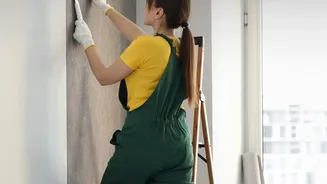
Regularly wipe down wooden furniture, walls, and other surfaces with a dry cloth to prevent moisture from settling. If you spot any mould, clean it immediately with a solution of mild soap and water or a vinegar-water mix. Avoid using bleach on porous surfaces like wood, as it may not kill the mould deep inside. During the monsoon, it’s wise to roll up and store carpets and heavy rugs, as they trap moisture and odours easily. When mopping floors, opt for an antibacterial cleaning liquid.
Long-Term Prevention: The Power of Ventilation
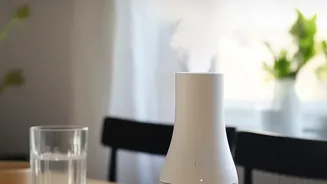
Prevention is the ultimate cure. The key is to consistently reduce humidity levels inside your home. Whenever the rain stops, even for a short while, open windows and doors to allow for cross-ventilation. Using exhaust fans in kitchens and bathrooms during and after use is crucial to expel moist air. If certain areas remain persistently damp, investing in a dehumidifier can be a game-changer by actively pulling moisture from the air. Some plants, like peace lilies and Boston ferns, can also help naturally absorb some humidity.
Harness Natural Dehumidifiers
Beyond store-bought solutions, you can create your own moisture absorbers using common household items. Bowls of rock salt or activated charcoal placed in damp areas can effectively draw moisture from the air. Activated charcoal has the added benefit of neutralising odours. You can place charcoal briquettes in a container with holes in the lid and leave it in a musty corner, replacing it every few months. These natural methods are great for small, enclosed spaces like cabinets and shoe racks.