


The Allure of the Open-Air Gallery
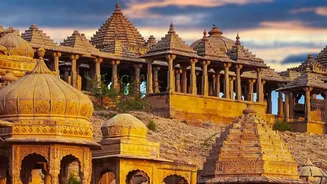
Shekhawati is not a single city but a historic region in northeastern Rajasthan, encompassing towns like Mandawa, Nawalgarh, Fatehpur, and Jhunjhunu. It earned the nickname 'the world's largest open-air art gallery' for a reason. Between the 18th and early
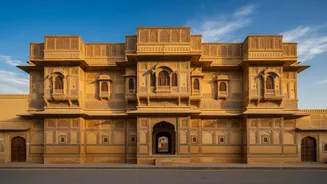
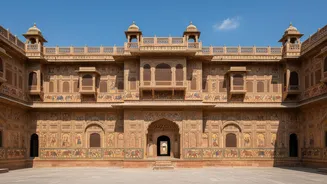
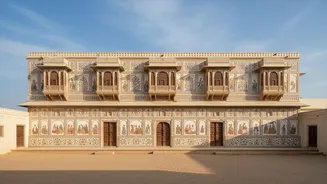
20th centuries, wealthy Marwari merchant families, who amassed fortunes in port cities like Kolkata and Mumbai, funnelled their wealth back home. They commissioned magnificent havelis (mansions) not just as residences, but as canvases to display their prosperity and cultural identity. These walls were covered in elaborate fresco paintings, a technique that involves painting on wet lime plaster, ensuring the art becomes part of the structure itself. The themes are a vivid chronicle of the era, blending mythological tales of Krishna and Rama with scenes of daily life, local folklore, and fascinatingly, the modern world intruding on their own—depictions of British figures, steam trains, early cars, and gramophones.
Embracing the Quiet Season
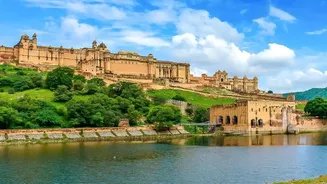
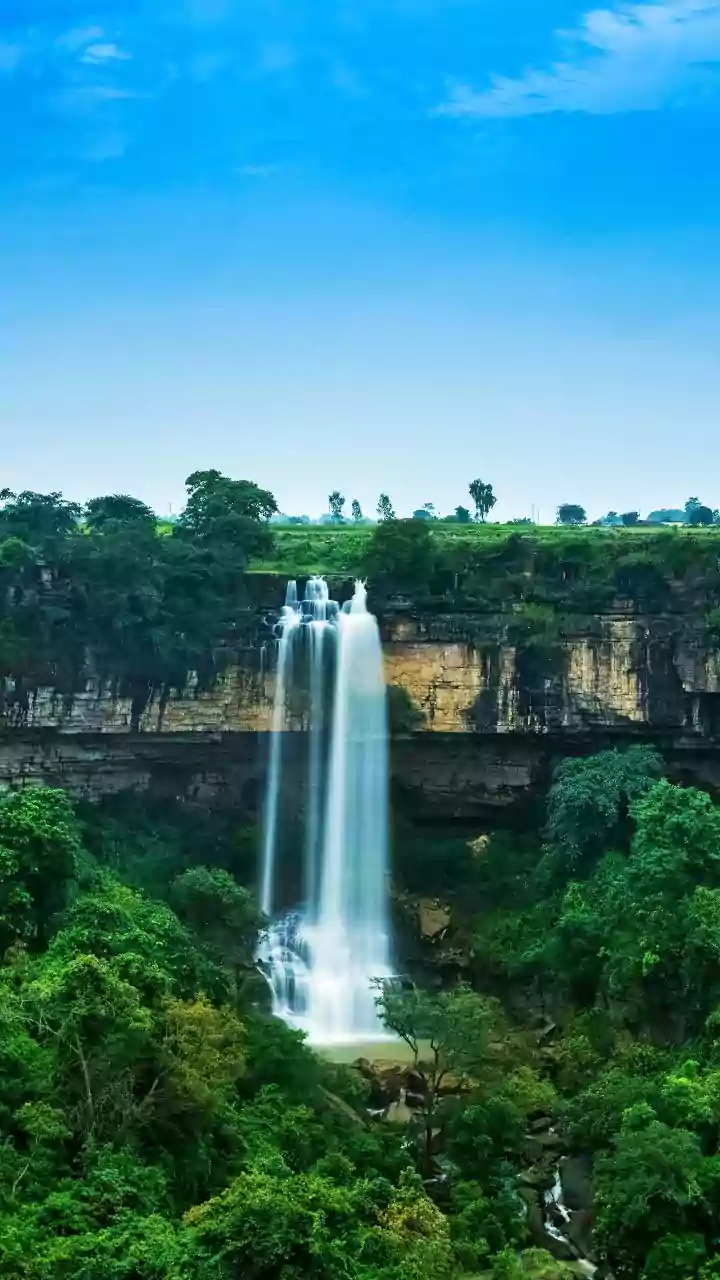
The conventional wisdom is to visit Rajasthan during the peak winter months of October to March, when the weather is cool and pleasant. However, this is also when crowds are at their largest and prices are at their highest. For the discerning traveller focused on art and atmosphere, the 'off-season'—the scorching summer (April-June) and the subsequent monsoon (July-September)—offers a different kind of luxury: solitude. Visiting during the monsoon, for instance, provides a unique experience. The desert landscape gets a temporary green makeover, the dust settles, and the palaces and havelis look dramatic against rain-heavy skies. While summer days are undeniably hot, sightseeing can be structured around early mornings and late afternoons, leaving the peak heat hours for leisurely lunches or relaxing inside a cool heritage hotel. The payoff is significant: exploring these intricate havelis at your own pace, photographing frescoes without anyone in the background, and experiencing a more authentic, less commercialised version of the region.
Navigating the Fresco Trail
The key towns of Shekhawati each offer a unique flavour. Mandawa is perhaps the most popular and serves as a great starting point, with a high concentration of painted havelis and heritage hotel options. Nawalgarh is considered to have some of the finest frescoes and is home to the meticulously restored Podar Haveli Museum, which offers excellent context on the art form. Fatehpur is notable for the Nadine Le Prince Haveli, a stunning mansion purchased and restored by a French artist who fell in love with its decaying beauty. Planning your trip around a base like Mandawa or Nawalgarh allows for easy day trips to surrounding towns like Dundlod, Mukundgarh, and Mahansar, each with its own trove of artistic treasures. Hiring a local guide is highly recommended, as they can not only explain the stories behind the frescoes but also gain access to locked havelis where caretakers hold the keys.
Staying Within the Masterpiece
One of the most profound ways to experience Shekhawati's heritage is to stay in it. Many of the grand havelis, which were once falling into disrepair as their owners settled in big cities, have been painstakingly restored and converted into boutique heritage hotels. Staying in a place like the Mandawa Haveli or the Vivaana Culture Hotel isn't just about accommodation; it's an immersive cultural experience. You wake up surrounded by the same intricate art you spend your days exploring. These restorations are vital for the preservation of the region's architectural heritage. They provide a commercial incentive for owners to maintain their ancestral homes, preventing them from crumbling into dust. For the off-season traveller, these heritage stays are not only more accessible but also offer a quieter, more personal experience, with attentive service and the feeling of having a palace almost to yourself.