



Beyond the Butter Tea Tradition
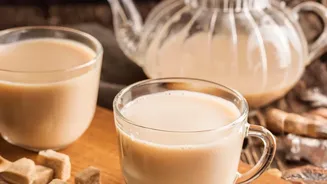
In the high-altitude regions of the Himalayas, 'gur gur chai', or butter tea, is a staple, providing much-needed calories and warmth. However, the plant life of these mountains has also given rise to a parallel culture of herbal infusions that are naturally
free from dairy and caffeine. For centuries, communities in areas like Ladakh and Nepal have brewed what grows around them. These plant-based teas are not just alternatives but are deeply woven into daily life, prepared for their unique flavours and traditional wellness properties. From herbs gathered on hillsides to berries picked from thorny bushes, this tradition showcases a different side of Himalayan beverage culture, one that is subtle, earthy, and directly tied to the land.
The Golden Power of Sea Buckthorn
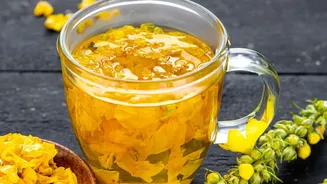
One of the most prized botanicals in this category is the sea buckthorn berry. These bright orange berries grow on thorny shrubs in the cold, arid landscapes of places like Ladakh and Spiti. Traditionally known for being rich in nutrients, sea buckthorn makes a tart, vibrant tea often called 'tsir-chya' in Ladakh. The preparation is simple: fresh or dried berries are steeped in hot water, sometimes muddled to release their tangy juice. The resulting brew is a brilliant orange-yellow, with a flavour profile that is intensely fruity and acidic. Locals often balance it with a touch of honey or jaggery. This 'liquid gold' is more than just a refreshing drink; it is a cherished part of the local routine, valued for its invigorating properties in the harsh mountain climate.
The Gentle Strength of Stinging Nettle
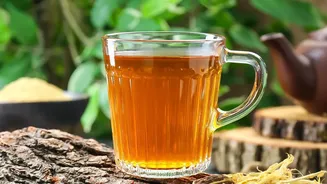
The stinging nettle, or 'sisnu', is another hero of the Himalayan herbal world. While its fresh form is known for a painful sting, the leaves become completely safe and deeply nourishing once dried or cooked. In Himalayan communities, nettle has long been used as both a food (in soups and stews) and a tea. Nettle tea has a surprisingly mild, earthy, and savoury taste, often compared to a light green tea with a hint of spinach. It brews into a deep green cup that is considered grounding and restorative. Because it thrives in the high-altitude terrain, it is a readily available resource that has been part of local diets and remedies for generations. As an infusion, it is valued as a gentle, caffeine-free brew perfect for any time of day.
A Pantry of Wild Herbs and Flowers
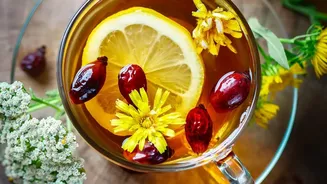
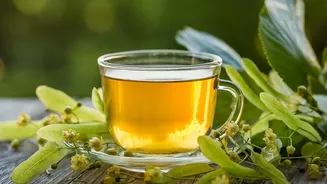
Beyond sea buckthorn and nettle, the Himalayan foothills offer a wide array of other botanicals used in dairy-free infusions. Wild mint, which often grows near streams, offers a refreshing and cooling cup. Sacred basil, or Tulsi, is tended in courtyards and revered for its warm, slightly spicy flavour profile with notes of clove. In some areas, fragrant wild rosehips are gathered to make a tangy, vitamin-rich tea, while lemongrass provides a bright, citrusy note. An ethnomedicinal study in the Lesser Himalaya region also documented the use of plants like Malva parviflora (mallow) and Medicago sativa (alfalfa) leaves, which were traditionally boiled with ginger to create teas. Each of these infusions tells a story of place, resourcefulness, and an intimate knowledge of the surrounding ecosystem passed down through generations.
From Mountain Slopes to Modern Cups
Today, these ancient traditions are finding new appreciation. As more people seek out unique, plant-based, and caffeine-free beverages, the botanicals of the Himalayas are gaining global attention. Ingredients like Himalayan stinging nettle and sea buckthorn are now available from specialised suppliers, allowing people far from the mountains to experience these unique flavours. These teas offer a direct connection to the rugged landscapes and rich cultural heritage of the Himalayan valleys. They represent a form of wellness that is simple, natural, and rooted in the wisdom of using what the land provides. Brewing a cup of wild Himalayan tea is not just about enjoying a warm drink; it's about partaking in a tradition that has sustained mountain communities for centuries.