








The predictable comfort of a hotel room is no longer the default for many Indian travellers. A significant shift is underway, with homestays seeing a surge in popularity as people now crave something more: real, immersive, and local experiences.
The Search for True Authenticity
For the
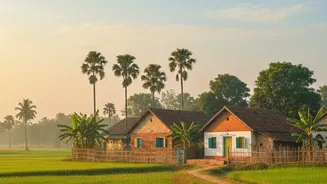
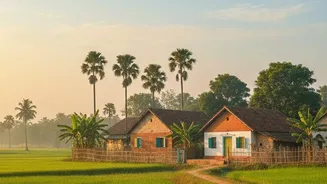
modern Indian traveller, the definition of a holiday is changing. It's less about sterile hotel corridors and generic buffet breakfasts and more about diving headfirst into local life. This is the core appeal of a homestay. Instead of a tourist-centric performance, guests get a front-row seat to genuine culture. Imagine waking up in a heritage haveli in Rajasthan, sharing home-cooked meals with a family in the serene backwaters of Kerala, or learning the secrets of Kodava cuisine from your host in Coorg. These are experiences that a hotel simply cannot replicate. Travellers are actively rejecting cookie-cutter itineraries in favour of unfiltered moments and personal connections, turning their vacation into a story worth telling rather than just a place they visited. A recent survey found that 85% of travellers associate alternative stays like homestays with authentic local experiences, underscoring this deep-seated desire for genuine immersion.
The Allure of Going 'Off-Grid'
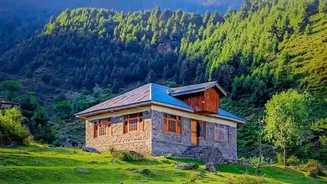
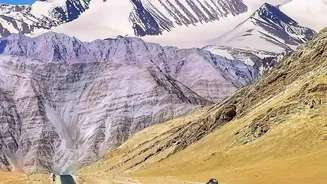
The term 'off-grid' has evolved. It no longer just means a lack of Wi-Fi; it signifies a conscious decision to disconnect from the relentless pace of urban life. Homestays, particularly those in remote locations like the Himalayas or secluded parts of the Western Ghats, offer a sanctuary from digital saturation. This allows for a different kind of connection—with nature, with one's travel companions, and with oneself. The experience is about trading screen time for forest bathing, birdwatching, or simply reading a book on a quiet verandah. These unstructured stays encourage reflection and a slower, more intentional pace of travel. By choosing accommodations built from local materials, like the mud-and-stone houses in Ladakh or traditional huts in Gujarat, travellers also engage with inherent sustainability, finding comfort in simplicity and a lifestyle that is in harmony with its environment.
Value Beyond the Price Tag
While homestays are often more budget-friendly than conventional hotels, their appeal goes far beyond cost savings. The real draw is the immense value they provide. This value is measured in personalised hospitality, insider knowledge, and the warmth of feeling like a guest in a home rather than a customer in a transaction. Hosts frequently act as local guides, sharing tips on hidden gems and navigating the area in a way no travel app can. This concept of 'Atithi Devo Bhava' (the guest is God) is a cornerstone of Indian culture, and in a homestay, travellers get to experience this profound hospitality firsthand. This feeling of being cared for, combined with unique, characterful accommodations, creates more meaningful holiday memories that last long after the trip is over.
A Rise in Conscious, Sustainable Travel
Today's traveller is increasingly aware of their environmental and social impact. The homestay model aligns perfectly with this growing consciousness. Choosing a homestay often means that tourism revenue flows directly into the hands of local families and communities, bypassing large corporate chains. This supports local economies and encourages the preservation of cultural heritage. Many homestays champion ecofriendly practices, using renewable energy, conserving water, and serving locally sourced food. By staying in these places, travellers are not just passive tourists; they become active participants in a more sustainable and responsible form of tourism. Studies show a significant rise in Indian travellers wanting to make sustainable choices, with many seeking out certified green accommodations and experiences that leave a destination better than they found it.