



Defining the 'Lived-In' Look
Forget stark, untouchable minimalism. The lived-in aesthetic is its warm, welcoming cousin. It’s not about being messy or cluttered; it's about creating a space that feels authentic, personal, and deeply comfortable. Think of a room that tells a story—your
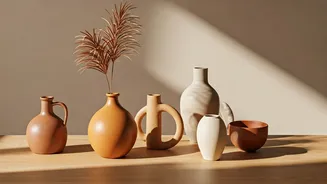
story. It’s a design philosophy built on the idea that your home should hug you back. This style celebrates imperfection, from the soft wrinkles in a linen sheet to the unique grain of a wooden table. It’s a departure from showroom perfection, favouring pieces that have character and invite you to relax and be yourself. The goal is to curate an environment that soothes the senses and quiets the mind, making your home a true refuge.
The Power of Natural Fibres
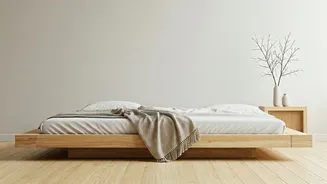
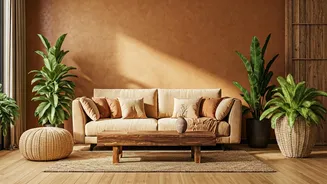
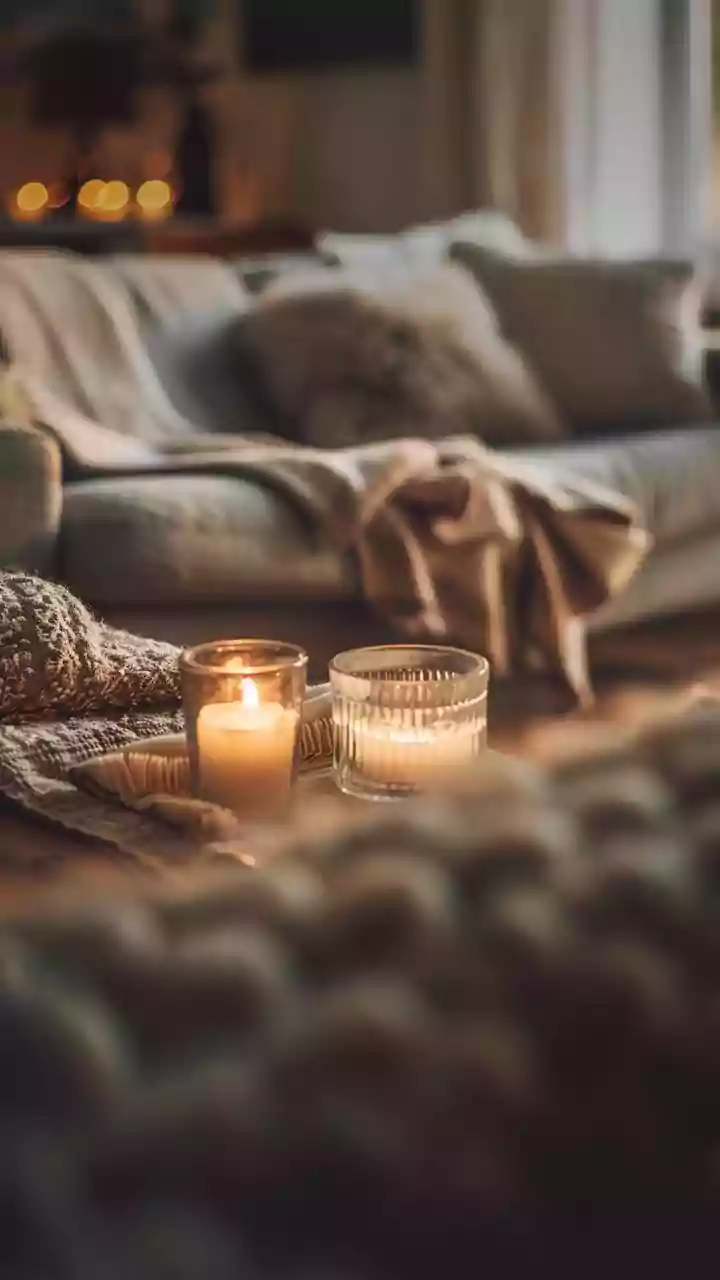
The easiest entry point into this trend is through natural fabrics. Materials like cotton, linen, and jute are the foundation of a comfortable, lived-in space. Their inherent breathability and visual softness instantly lower the formality of a room. Drape a chunky cotton throw over your sofa, switch to airy linen curtains that gently filter sunlight, or ground your living area with a hand-woven jute rug. These materials aren’t just beautiful; they are incredibly tactile. The feeling of cool linen on a warm day or the soft texture of a cotton cushion offers a subtle, consistent sense of ease. They connect us to nature and simplicity, providing a calming counterpoint to the synthetic, fast-paced world outside.
Embrace Imperfect Woods
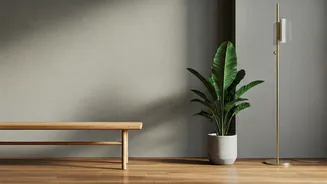
Wood has always been a staple in Indian homes, but the lived-in trend reinterprets its use. Move away from high-gloss, perfectly polished finishes and embrace the raw, natural beauty of imperfect wood. Look for pieces made from reclaimed timber, or furniture with a simple oil or wax finish that highlights the natural grain, knots, and textures. A rustic wooden coffee table, a raw-edged dining bench, or even simple wooden decorative bowls can add immense warmth and character. Each imperfection tells a story of the material’s life, adding a layer of history and soul to your space that mass-produced items simply cannot replicate. This connection to organic materials is deeply grounding and reassuring.
The Comfort of Curved, Soft Shapes
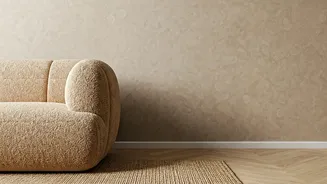
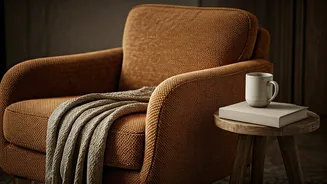
Sharp angles and rigid lines can feel severe and uninviting. Lived-in interiors favour soft, curved silhouettes that encourage rest and relaxation. Think of sofas with rounded arms, circular coffee tables, or an arched floor lamp. These shapes guide the eye gently around the room and create a more fluid, organic flow. One of the stars of this textural trend is bouclé fabric. This looped, nubby material, often seen on curved armchairs and sofas, is the epitome of cosy-chic. Its teddy-bear-like texture is irresistibly inviting and adds a touch of playful luxury. Incorporating just one statement piece in bouclé or a similar sherpa-style fabric can instantly transform the emotional temperature of your room.
Incorporate Tactile Wall Finishes
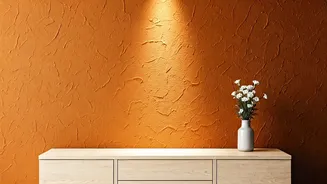
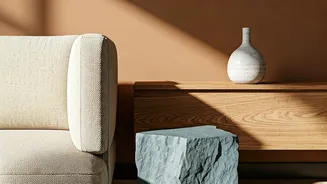
Texture isn’t just for things you can touch; it’s also for the surfaces that surround you. Instead of a flat, plain paint, consider a more tactile wall finish. Limewash or clay plaster walls offer a soft, matte, and slightly varied surface that catches the light beautifully, creating a sense of depth and movement. These finishes have a chalky, earthy quality that feels both ancient and incredibly modern. They provide a subtle, sophisticated backdrop that makes all the other textures in the room—the wood, the linen, the wool—pop. If re-doing your walls is too big a step, you can achieve a similar effect with textured wallpaper, like those that mimic grasscloth or linen.