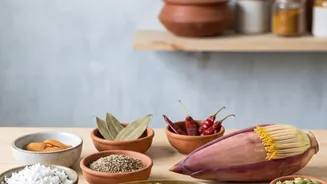

Often overlooked, the large purple banana blossom is a treasure trove of flavour and nutrition. When paired with humble lentils, this unique vegetable transforms into deeply savoury, satisfying, and protein-rich meals.
An Introduction to Banana Flower
Known as 'vazhaipoo' in Tamil or
'mocha' in Bengali, the banana flower (or blossom) is the tear-shaped, purplish flower that grows at the end of a banana bunch. Eaten as a vegetable across South and Southeast Asia, it has a texture often compared to artichokes and a mild, slightly nutty flavour. While it forms the basis of many traditional dishes, it's gaining wider appreciation for its versatility and health benefits. The flower itself consists of outer purple leaves called bracts, which cover rows of smaller, delicate florets inside. As you peel away the layers, you eventually reach a pale, tender heart, all of which can be used in cooking.
A Nutritional Power Couple
On its own, the banana flower is a nutritional powerhouse, packed with fibre, potassium, iron, and antioxidants like flavonoids. It contains a notable amount of protein for a vegetable, typically around 1.6 grams per 100g. When combined with lentils—such as toor dal (pigeon peas) or chana dal (split Bengal gram)—the protein content of the final dish gets a significant boost. Lentils are a celebrated source of plant-based protein, fibre, and essential minerals. This pairing creates a complete meal that is not only filling and savoury but also particularly beneficial for vegetarian and vegan diets, offering a substantial protein source that supports muscle health and overall wellness.
How to Prepare Banana Flower
Preparing a banana flower can seem intimidating, but it's a straightforward process. The main challenge is preventing the flower from browning, or oxidising, once it's cut. To start, rub your hands and knife with a little oil to prevent staining from its sap. Peel away the tough, dark outer layers (bracts) until you reach the paler, more tender ones. Underneath each layer are rows of small florets. For the larger, more mature florets, you need to remove the tough, matchstick-like pistil and a small, translucent petal (calyx) from each one, as these can be bitter or tough. As you get closer to the core, the florets become too small to need this step. Finely chop the cleaned florets and the tender heart and immediately place them in a bowl of acidic water—water mixed with buttermilk, yoghurt, or a squeeze of lemon juice—to stop them from discolouring.
Classic Indian Preparations
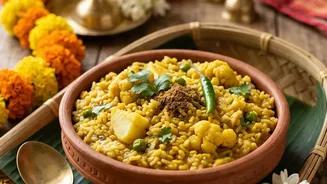
In India, the combination of banana flower and lentils is a celebrated classic. One of the most famous dishes is 'Vazhaipoo Paruppu Usili' from Tamil Nadu. This dry curry involves cooking the chopped banana flower and mixing it with a coarse, steamed, and crumbled mixture of chana dal and toor dal, seasoned with mustard seeds, chillies, and asafoetida. The result is a delightfully textured dish where the soft flower is complemented by the hearty lentil crumble. Another beloved recipe is the Bengali 'Mochar Ghonto'. This is a richer, mashed-style curry where the boiled banana blossom is slow-cooked with potatoes, grated coconut, and a blend of aromatic spices like cumin, ginger, and garam masala. Sometimes, it also includes cooked lentils or fried lentil dumplings ('bori') for added texture and protein.
Modern Ways to Enjoy the Duo
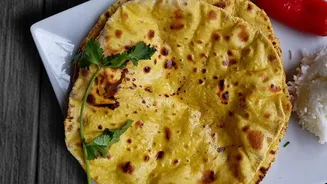
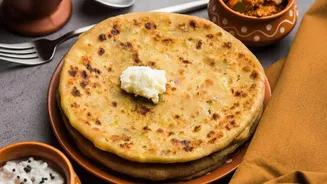
Beyond these traditional recipes, the combination of banana flower and lentils is incredibly versatile. You can easily adapt it to modern cooking. The cooked and mashed mixture of lentils and banana blossom makes an excellent, protein-rich filling for savoury patties, cutlets, or even tacos and wraps. Seasoned with your favourite herbs and spices, it can be a unique substitute for meat fillings. It can also be used in a simple stir-fry with other vegetables for a quick and nutritious weeknight meal. The key is to see the duo as a base—a savoury, textured, and healthy foundation that you can build upon with different spices, herbs, and cooking methods to suit your taste.