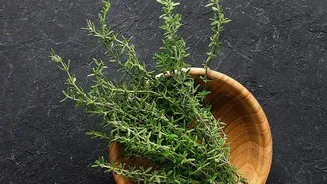




Imagine snipping fresh, fragrant thyme for your roasts and sauces. This aromatic herb is surprisingly easy to grow at home, and success starts with one golden rule: finding the perfect sunny spot for it to thrive.
The Golden Rule of Sunlight
Thyme is a Mediterranean native, meaning
it is genetically programmed to love heat and sun. For the most robust growth and intense flavour, your thyme plant needs a location that receives at least six hours of direct sunlight each day. This full sun exposure is crucial for the plant to produce the essential oils that give it its characteristic aroma and taste. While thyme can tolerate some partial shade, you'll notice the plant may become 'leggy'—with long stems and fewer leaves—and its flavour will be less potent. If you're growing thyme indoors, a south-facing windowsill is your best option, or you can supplement with a grow light to ensure it gets the light it craves.
Creating the Perfect Foundation
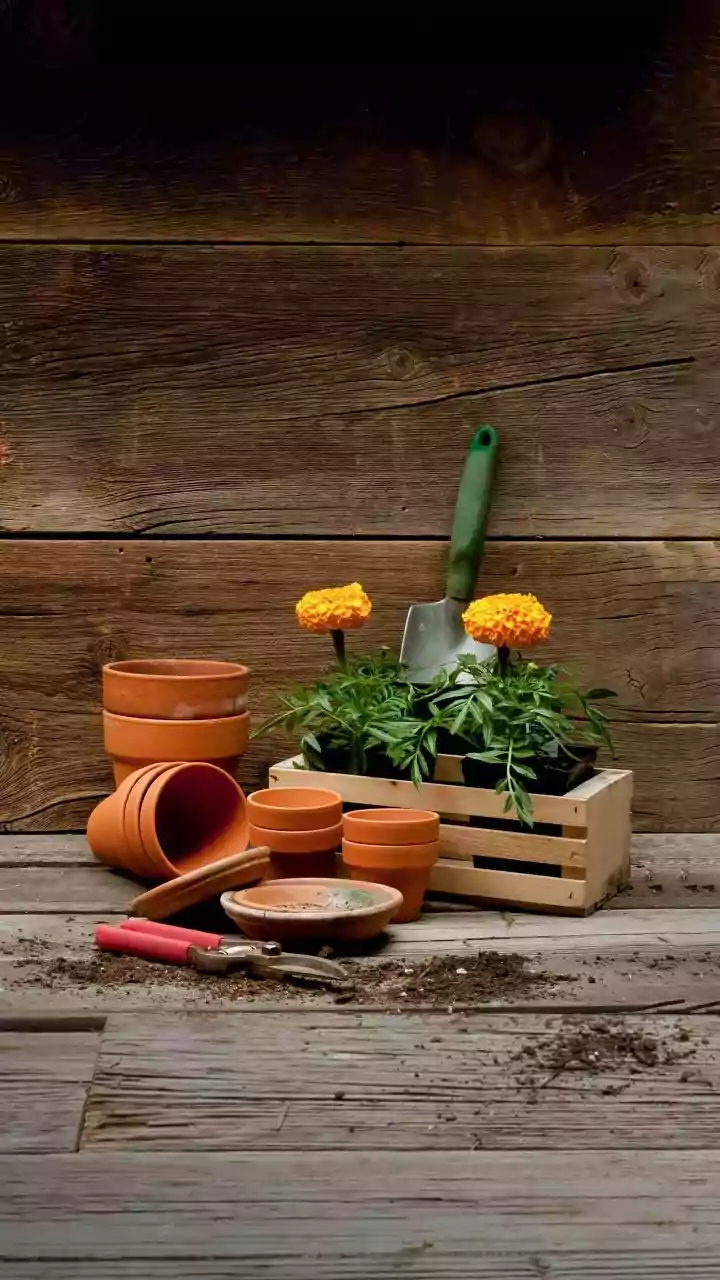
After sunlight, the most critical factor for happy thyme is excellent drainage. This herb detests 'wet feet' and is highly susceptible to root rot in waterlogged conditions. The ideal soil is light, sandy, or even slightly rocky, mimicking its natural habitat. If you're planting in a garden with heavy clay soil, consider using a raised bed or a container. For pots, choose a terracotta one if possible, as its porous nature helps the soil dry out. A good potting mix combines standard potting soil with sand or perlite to improve drainage. Thyme doesn't require rich soil; in fact, overly fertile soil can lead to less concentrated flavour.
Planting and Spacing
While you can grow thyme from seed, it's known for slow and uneven germination. The easier and faster route is to start with young plants from a nursery or cuttings from an established plant. Plant them outdoors in the spring after the last frost has passed. When setting them in your garden or a large container, give them room to spread. Space individual plants about 12 to 24 inches apart, as many culinary varieties grow outwards. If you're planting in a pot, ensure it has large drainage holes to prevent water from pooling at the bottom.
Watering Wisely to Avoid Rot
The most common mistake when caring for thyme is overwatering. This plant is highly drought-tolerant once it's established. The best practice is to water deeply, but only when the soil is completely dry to the touch. For container plants, check the soil by poking your finger an inch or two down; if it feels dry, it's time to water. Then, allow the soil to fully dry out again before the next watering. This approach prevents the dreaded root rot that can quickly kill a thyme plant.
Pruning for Bushy Growth
Regular pruning is key to keeping your thyme plant healthy, productive, and compact. Without it, thyme can become woody and sparse over time. The easiest way to prune is simply to harvest it regularly for your cooking needs. Snip the top two to three inches of the soft, green stems, making your cut just above a set of leaves. This encourages the plant to branch out, resulting in a bushier, fuller plant. A more significant prune can be done once or twice a year, but avoid cutting back more than one third of the plant at a time. Also, try to avoid cutting into the old, thick woody base, as it may not regrow from there.
Harvesting for Peak Flavour
You can harvest thyme throughout the year, but its flavour and aroma are most intense right before it flowers in early summer. The best time of day to harvest is in the morning, after the dew has evaporated but before the sun gets too hot. This is when the essential oils in the leaves are at their peak. Simply snip the sprigs you need with a pair of scissors. For a larger harvest to dry for later use, hang small bundles of sprigs in a warm, dark, wellventilated area until they are brittle. Once dried, the leaves can be stored in an airtight container.