


A Cosmic Confectionery
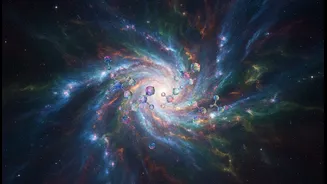
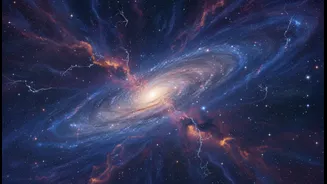
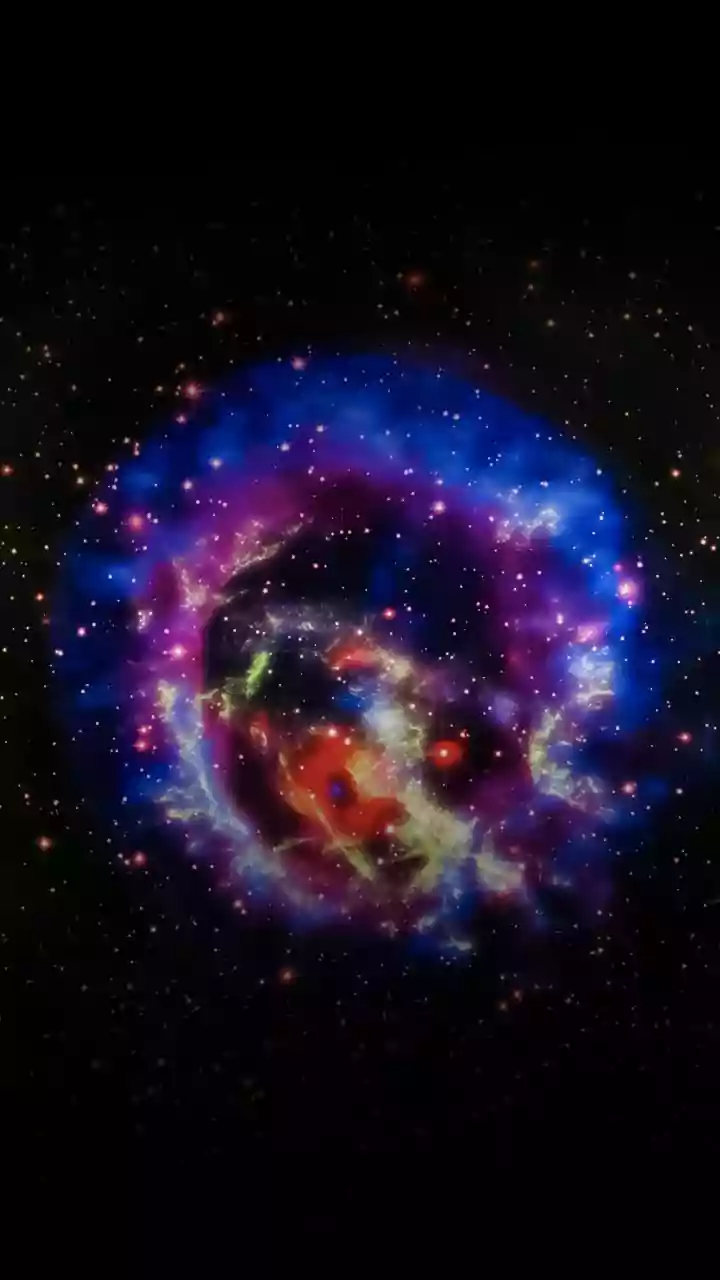
Imagine the centre of our galaxy: a place swirling with intense radiation, powerful magnetic fields, and the crushing gravity of a supermassive black hole. For decades, scientists considered this turbulent environment, known as the Galactic Center, far
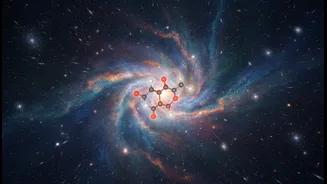
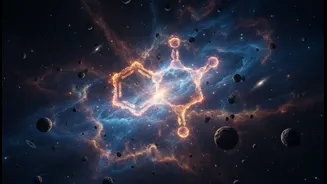
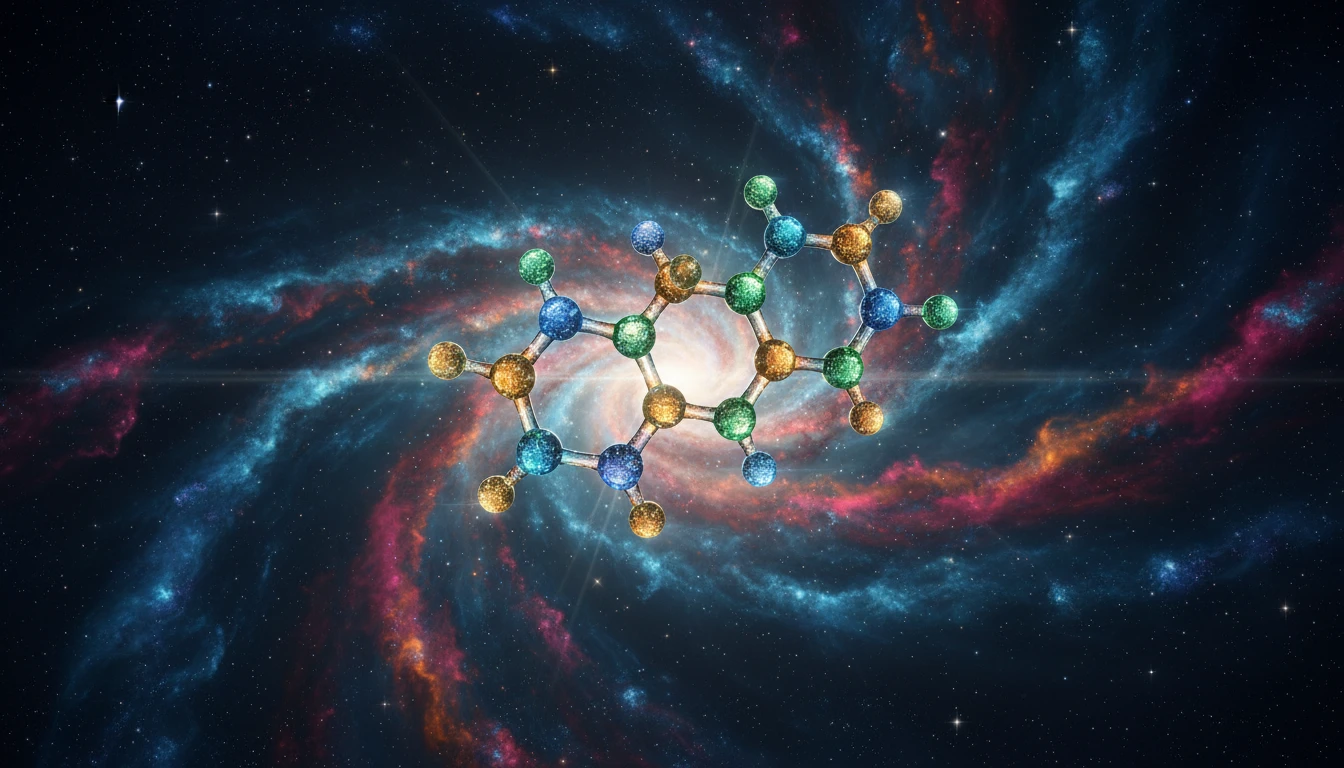
too hostile for the delicate process of planet formation. The common wisdom was that any complex molecules, the essential starting materials for planets, would be quickly torn apart. But recent discoveries are rewriting that story. In a stunning find, astronomers detected a sugar molecule called erythrulose floating in a gas cloud near the galaxy's core. This four-carbon sugar, also found on Earth in raspberries, is the first true sugar ever identified in interstellar space. It’s a discovery that adds a sweet twist to our understanding of cosmic chemistry.
More Than Just Sugar
The discovery of erythrulose is part of a growing body of evidence that the Galactic Center is a rich chemical factory. This region, particularly a massive gas cloud called Sagittarius B2, has long been a target for scientists hunting for complex organic molecules (COMs). Over the years, they have found a veritable soup of ingredients, including molecules related to amino acids, the building blocks of proteins. The James Webb Space Telescope (JWST) has been instrumental, peering through the dense dust to identify a plethora of other organic molecules like methane, benzene, and vast quantities of water ice. Finding these compounds together suggests that the raw materials for life and planets are not only present but abundant, even in the galaxy's most extreme neighbourhood.
An Unexpected Nursery
The big surprise isn't just that these molecules exist, but where they exist. Finding them in the interstellar medium, before stars and planets have even formed, is a game-changer. For years, scientists puzzled over how Earth and other planets acquired their chemical inventories. One theory was that these ingredients formed on the planets themselves, but lab experiments struggled to recreate the right conditions. The detection of erythrulose and other COMs in a pre-stellar cloud supports a different idea: that these essential ingredients form on icy dust grains floating through space. These cosmic snow-dusted grains then get incorporated into the swirling disks that give birth to new stars and planets, delivering a ready-made starter kit for planet formation. This means planets might begin their existence already stocked with the sugars and water needed for life.
What This Means for the Search for Life
These findings have profound implications. If the building blocks for planets and life can form and survive in the chaotic heart of the Milky Way, it suggests they could be incredibly common throughout the universe. It expands the potential number of cosmic environments where habitable worlds could arise. The discovery challenges old models and forces us to rethink where to look for the next Earth. Astronomers are no longer just looking at quiet, suburban-like stellar neighbourhoods. The bustling, high-energy downtown of the galaxy has unexpectedly become one of the most exciting places to study the origins of planets. It tells us that even in the most violent places, the universe has a persistent tendency to create complexity, providing the fundamental ingredients that could, eventually, lead to life.