



A New Culinary Frontier
The food and beverage story in India is no longer confined to the bustling lanes of Delhi, Mumbai, or Bengaluru. A significant shift is underway, with Tier-2 cities rapidly emerging as the new growth engine for the country's restaurant industry. This
isn't merely about smaller cities playing catch-up; it's a dynamic transformation fueled by a new generation of consumers and savvy entrepreneurs. Dining out has evolved from an occasional family treat into a daily lifestyle choice, especially for millennials and Gen Z. With rising disposable incomes that are beginning to rival those in metro areas, consumers in cities like Indore, Nagpur, and Coimbatore are more willing to experiment with new foods and dining formats. This creates a fertile ground for innovation, where branded experiences are in high demand.
The 'Faster' Revolution: Convenience Is King
The demand for speed and convenience has reshaped how Tier-2 cities eat. The most scalable and rapidly expanding format is the Quick Service Restaurant (QSR). Homegrown and international chains are expanding aggressively, recognizing a largely untapped market with evolving tastes. A key strategy in this expansion is the rise of cloud kitchens, or delivery-only restaurants. These models allow businesses to launch with lower investment and operational costs, reaching a wide audience through food delivery apps. This tech-integrated approach means that everything from gourmet burgers to artisanal coffee is now available at the tap of a button, making the dining landscape more accessible and varied than ever before.
A Taste for 'Fresher' and Healthier
Alongside the need for speed is a growing consciousness around health and freshness. Consumers are moving beyond generic menus and are increasingly seeking out healthier options, organic ingredients, and sustainably sourced produce. This 'premiumisation' trend shows a move towards quality and transparency, with diners showing more interest in where their food comes from. There's a rising demand for everything from millet-based meals and protein bowls to artisanal and traditional foods that offer a unique local flavour. Restaurant operators are responding by innovating their menus, balancing modern convenience with the demand for nutritious, fresh, and authentic culinary experiences.
The 'Cooler' Factor: Dining as an Experience
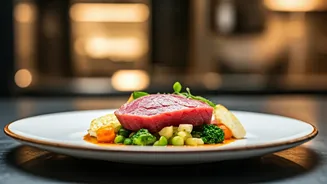
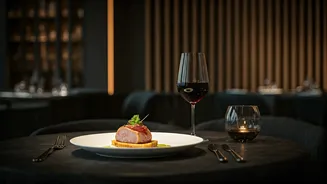
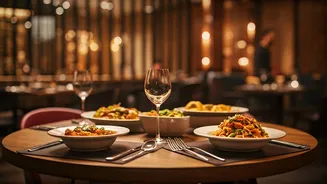
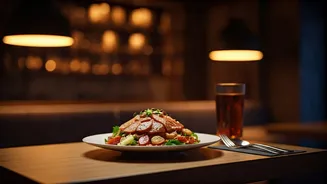
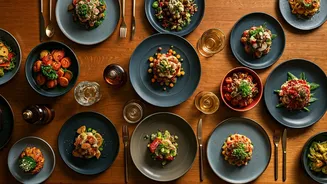
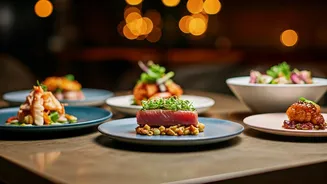
In the age of social media, a meal is more than just food; it's an experience. The aesthetic and atmosphere of a restaurant have become powerful draws. Platforms like Instagram and YouTube have exposed consumers in smaller cities to global food and design trends, creating a demand for 'Instagram-worthy' cafes and restaurants. Young consumers, in particular, are looking for visually appealing spaces to socialize, work, and create content. This has led to a boom in themed cafes, stylish restro-pubs, and concept-driven dining spaces that offer a distinct vibe. Restaurant owners understand that in today's digital world, the visual appeal of a dish and its environment can be just as important as the taste.
What's Fuelling the Transformation?
Several factors are converging to drive this culinary boom. A key driver is economic: lower operational costs, especially rental prices that can be a fraction of those in metros, make Tier-2 cities highly attractive for investors and restaurant owners. This allows for faster breakeven times, with 78% of operators expecting profitability within two years. The aspirational mindset of a digitally-connected young population, exposed to global trends, creates a ready market. Furthermore, the reverse migration of professionals back to their hometowns has brought with it metropolitan tastes and a demand for higher quality dining. With nearly 94% of restaurant operators planning to expand into these markets, it's clear this trend is just getting started.