




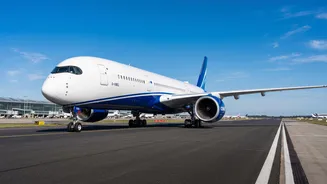

A New Gateway Takes Flight
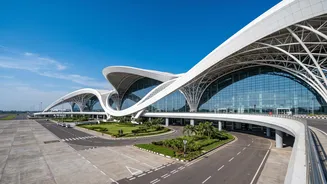
After years of anticipation, Navi Mumbai International Airport (NMIA) has finally opened its runways to the world. Having commenced domestic operations in late 2025, the airport launched its inaugural international service to Abu Dhabi in mid-2026. This
marks a pivotal moment, transforming the sprawling new facility from a domestic hub into a global gateway. The first international services, operated by carriers like Air India Express, are the initial steps in a broader strategy to establish NMIA as a crucial alternative to the perennially congested Chhatrapati Shivaji Maharaj International Airport (CSMIA). This phased transition is a collaborative effort between airlines and the airport operator to rebalance capacity across Mumbai's dual-airport system.
The Real Point: Easing Mumbai's Burden
The main point of the new Abu Dhabi connection—and NMIA's international operations at large—is to strategically decongest Mumbai's skies. For decades, CSMIA has been one of the world's busiest single-runway airports, operating at near-maximum capacity, which has stifled growth. By shifting some international routes, especially those to West Asia, to NMIA, airport authorities can free up valuable slots at CSMIA for new long-haul services to Europe, Africa, and beyond. This redistribution is not just about adding flights; it's about creating a more efficient, two-airport system for the entire Mumbai Metropolitan Region (MMR), ensuring that the city's aviation infrastructure can meet future demand without reaching a breaking point.
The Abu Dhabi Advantage
Choosing Abu Dhabi as one of the first international destinations from NMIA is a calculated move. The capital of the UAE is a major global hub and the home base of Etihad Airways, offering seamless onward connections to hundreds of destinations worldwide. This new route provides a powerful alternative for flyers, intensifying competition among Gulf carriers. Furthermore, the India-UAE air corridor is one of the busiest in the world, driven by strong business ties, tourism, and a large Indian expatriate community. Studies have shown that demand on this route is expected to outstrip available capacity, making new connections essential for economic growth. This flight directly addresses that bottleneck, strengthening a vital economic partnership.
A Ripple Effect on Regional Growth
The impact of this new flight extends far beyond the airport's perimeter. NMIA is envisioned as a catalyst for massive economic development in Navi Mumbai and adjacent areas like Panvel and Raigad. The Navi Mumbai Airport Influence Notified Area (NAINA) is projected to generate up to 1.5 million jobs, transforming the region into 'Third Mumbai'. The airport will anchor growth in logistics, warehousing, hospitality, and IT services, attracting global companies and boosting the real estate market. The new Abu Dhabi connection is a concrete sign to investors and businesses that NMIA is not just an airport but the heart of a new economic ecosystem.
What This Means for Travellers
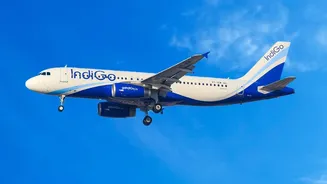
For millions of people living in Navi Mumbai, Thane, Pune, and surrounding industrial belts, the launch of international flights from NMIA is a game-changer. It eliminates the long and often stressful journey to CSMIA, saving hours of travel time. The introduction of new flights and airlines is expected to increase competition, which could lead to more competitive fares and greater choice for consumers. As airlines like IndiGo and Air India Express ramp up their international schedules from NMIA, passengers will benefit from more direct connections to key destinations in West Asia and beyond, supported by a growing network of domestic feeder flights.