


The City That Lives to Eat
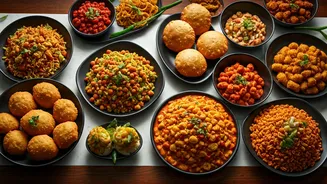
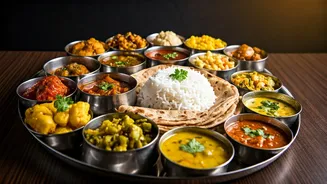
Indore is not just a city in Madhya Pradesh; it's a culinary philosophy. Long hailed as India's street food capital, its identity is inextricably linked with what's sizzling in the woks and simmering in the pots of its bustling laneways. [7, 9] The city’s
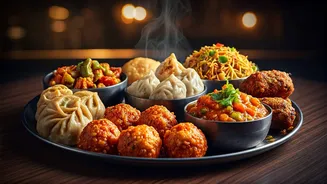
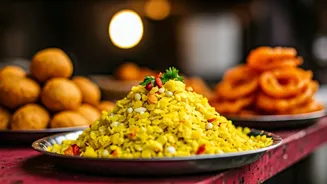
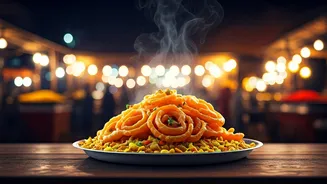
food culture is a rich tapestry woven from Rajasthani, Gujarati, and Maharashtrian traditions, creating a flavour profile that is uniquely its own. [20] Here, eating isn't just a necessity; it's a cherished ritual, a favourite pastime, and the primary way the city socialises. [9] From the early morning symphony of poha and jalebi to the late-night gastronomic theatre of Sarafa Bazaar, Indore is in a constant, delicious state of communion with its food. [7, 15]
A Golden-Fried Obsession
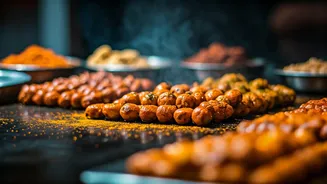
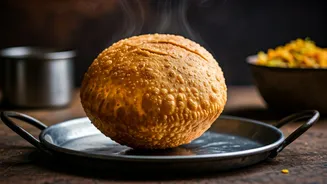
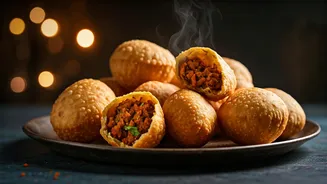
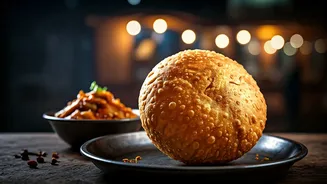
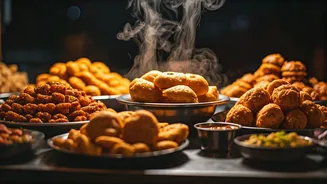
At the heart of this obsession is the kachori. This humble, deep-fried pastry, typically stuffed with a spicy mixture of lentils or other fillings, is elevated to an art form in Indore. [8] While its origins may trace back to the Marwari traders of Rajasthan, Indore has wholeheartedly adopted and innovated it. [10, 28] Local vendors offer an astonishing variety, from the classic dal kachori to inventive versions stuffed with potato, peas, onion, and even bhutta (corn). [6, 24] Each kachori is a study in contrasts: a shatteringly crisp, flaky crust gives way to a soft, flavour-packed interior, often served with a fiery green chutney that cuts through the richness perfectly. [5, 8]
The Unspoken Rule of the Queue
This brings us to the queues. In a city with countless vendors, how does one choose? The answer is simple: you trust the crowd. The queue is a democratic, real-time rating system, a testament to quality and consistency that no online review can replicate. A long line outside a small, unassuming shop is a signpost pointing to something extraordinary. It signifies a vendor who has perfected their craft over years, sometimes generations. [27] Locals and tourists alike understand this unspoken rule; they join the line not with impatience, but with anticipation, knowing that the wait is part of the experience and the reward at the end is guaranteed to be worth it. This phenomenon is especially visible at legendary spots like Lal Balti Kachori, where the shop's iconic red bucket (lal balti) signals its daily opening and draws immediate crowds. [5, 27]
The Theatres of Food: Sarafa and Chappan Dukan
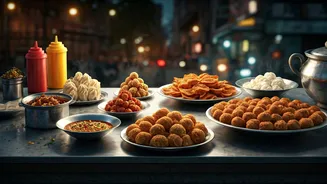
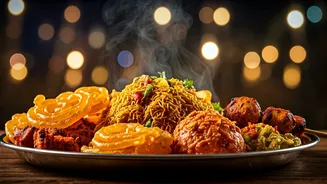
The culture of queuing for exceptional food is most evident in Indore's two legendary food hubs: Sarafa Bazaar and Chappan Dukan. [7] By day, Sarafa is a jewellery market, but as night falls, it transforms into a dazzling, open-air food court that stays alive until the early morning. [14, 17] Chappan Dukan, which translates to "56 Shops," is a more organized, all-day affair—a single street dedicated entirely to the joy of eating. [19, 25] In both these places, establishments like Vijay Chaat House become magnets, with patrons lining up for their famous khopra patties and kachoris. [3, 26] These are not just markets; they are living theatres of culinary passion, where every vendor is a star and every dish tells a story of the city's palate.
More Than Just a Snack
The long history of kachori in the region—mentions of it being sold in Indore date back to 1613—shows its deep cultural roots. [10, 12] It's a snack that has nourished generations of traders and locals. [28] Today, it’s a culinary icon that fuels the city. The queues are not just for a pastry; they are for a piece of Indore's history and its soul. They represent a shared passion that unites people from all walks of life, standing together in pursuit of that perfect, crispy, flavourful bite. The kachori is a symbol of the city's love for high-quality, accessible food, where flavour reigns supreme.