





A Plant-Sitter in a Pot
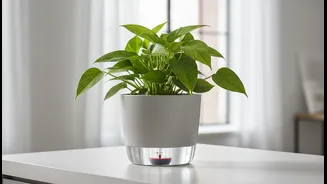
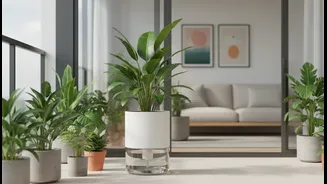
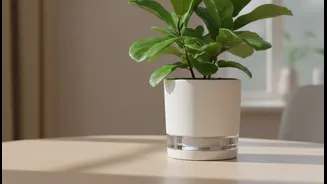
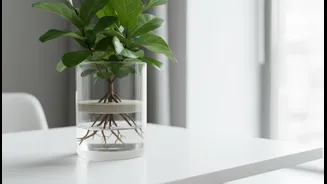
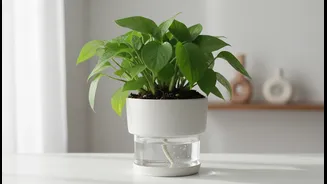
At its heart, a capillary pot, often called a self-watering planter, is a clever two-part system designed to give your plants a consistent supply of moisture with less frequent watering from you. It consists of a main pot for the plant and soil, which
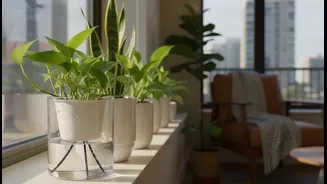
sits inside or on top of an outer reservoir that holds water. The two parts are connected by a 'wick'—this could be a piece of absorbent rope, a fabric strip, or even a column of porous soil that extends down into the water. This simple setup essentially acts like a built-in plant-sitter, taking the daily guesswork out of watering.
The Simple Science of Self-Watering
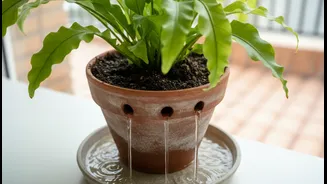
The magic behind these pots is a natural phenomenon called capillary action. It's the same principle that allows a paper towel to soak up a spill, drawing liquid upwards against gravity. In a capillary pot, the wick absorbs water from the reservoir and carries it up into the soil. The soil then becomes a conduit, allowing the plant's roots to draw exactly as much water as they need, when they need it. This 'bottom-up' approach avoids the common pitfalls of top-watering, where water can evaporate quickly or run straight through without soaking the root ball, preventing the stressful cycle of drought followed by flooding.
The Urban Gardener's New Best Friend
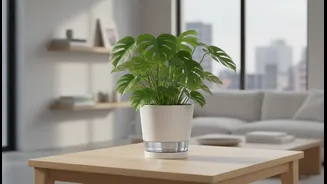
The growing buzz around capillary pots in Indian cities isn't surprising. Urban gardening is booming, driven by a desire to connect with nature and improve well-being. For busy professionals and frequent travellers, these low-maintenance pots are a game-changer. You might only need to fill the reservoir once a week, or even less, depending on the plant and conditions. This convenience fits perfectly into a modern urban lifestyle, where time is a luxury. Furthermore, in cities facing water shortages, the efficiency of capillary pots is a significant advantage, as they conserve water and reduce waste.
Finding the Right Balance: Pros and Cons
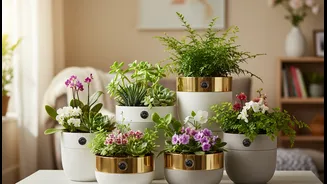
While capillary pots are incredibly useful, they aren't a one-size-fits-all solution. Their biggest advantage is providing consistent moisture, which makes them perfect for thirsty plants like ferns, peace lilies, and many herbs like mint and basil. This prevents underwatering and saves you time. However, this constant dampness can be a death sentence for plants that need their soil to dry out between waterings, such as succulents, cacti, snake plants, and ZZ plants. The risk of root rot from perpetually waterlogged soil is a real concern if the pot is used for the wrong plant. They can also have a higher upfront cost than traditional pots.
Tips for Self-Watering Success
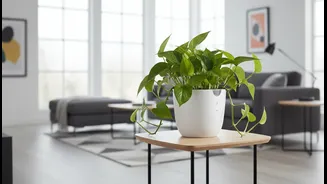
To make a capillary pot work for you, start by choosing the right plant. Moisture-loving tropicals and leafy greens like pothos (money plant), spider plants, and African violets are excellent candidates. When potting, use a light, absorbent potting mix that facilitates wicking; heavy garden soil won't work well. It's also a good practice to occasionally let the reservoir run completely dry for a day or so. This allows air to get to the roots, preventing them from becoming waterlogged. And while the pot automates watering, you still need to perform other plant care tasks, like providing adequate light and occasional fertiliser.