





More Than a Food Processor
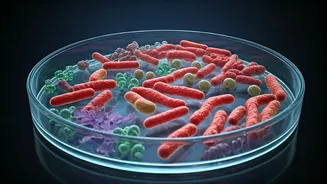
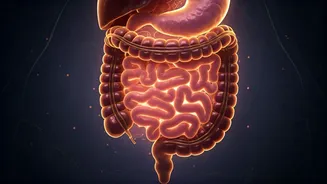
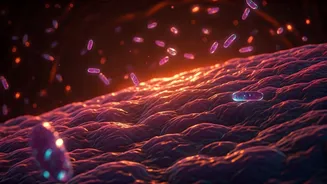
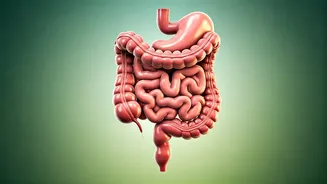
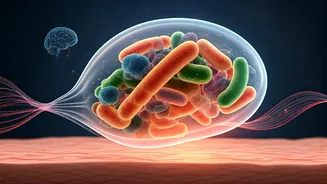
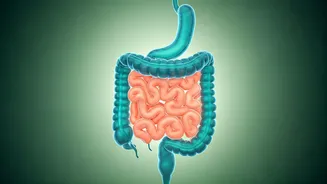
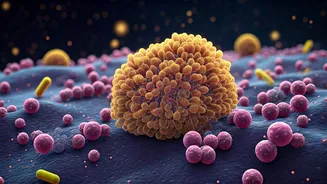
For too long, we’ve thought of our digestive system as a simple plumbing network: food goes in, waste comes out. But modern science reveals a far more complex and fascinating reality. Your gut is a bustling metropolis, home to trillions of microorganisms—bacteria,
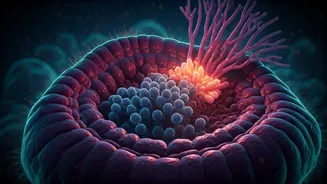
viruses, and fungi—collectively known as the gut microbiome. This intricate ecosystem doesn't just digest your food; it helps synthesise essential vitamins, regulates your immune system, and protects you from harmful pathogens. When this internal community is balanced and diverse, your entire body reaps the benefits. An imbalance, however, can be linked to a surprising range of issues, from digestive distress to weakened immunity.
The Surprising Gut-Brain Connection
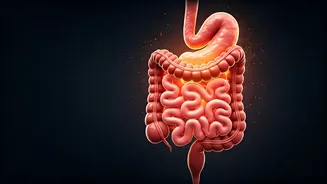
Have you ever felt 'butterflies' in your stomach when nervous, or made a 'gut decision'? That’s not just a turn of phrase; it's a real biological phenomenon known as the gut-brain axis. Your gut and brain are in constant communication through a network of nerves and chemical signals. In fact, the gut is often called the 'second brain' because it contains an extensive network of neurons and produces many of the same neurotransmitters as the brain, including about 95% of the body's serotonin, the 'feel-good' chemical. This means an unhappy gut can contribute to feelings of anxiety and a low mood, while chronic stress can wreak havoc on your digestion. Nurturing your gut is, in a very real sense, nurturing your mind.
Fibre Is Your Gut’s Best Friend
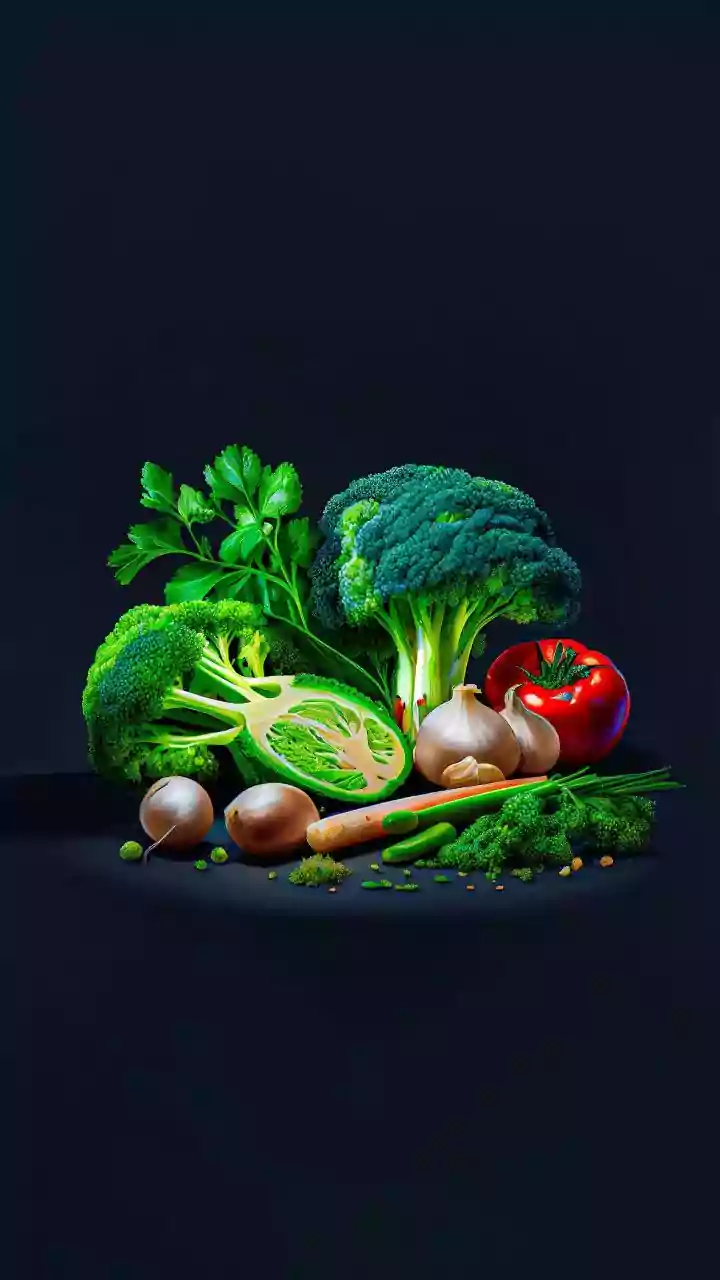
If you want to support your gut microbiome, the single most effective thing you can do is eat more fibre. Soluble fibre, found in oats, beans, and apples, dissolves into a gel-like substance that helps regulate blood sugar and cholesterol. Insoluble fibre, found in whole wheat, nuts, and vegetables like cauliflower and potatoes, adds bulk to stool and helps prevent constipation. More importantly, certain types of fibre act as 'prebiotics'—food for your beneficial gut bacteria. When you feed them well with fibre-rich foods like lentils (dal), chickpeas (chana), leafy greens (saag), and whole grains (roti made from whole wheat), you help them thrive and, in turn, they help you.
Embrace Probiotic Power
While prebiotics are the food, probiotics are the beneficial bacteria themselves. Incorporating fermented foods into your diet is a fantastic way to introduce these helpful microbes to your gut. In India, we are lucky to have a rich tradition of fermented foods that are naturally probiotic. Plain dahi (yoghurt) is a powerhouse of good bacteria. Other excellent sources include fermented drinks like kefir or kombucha, and traditional pickles made through lacto-fermentation (not the vinegar-based kind). Consuming these foods regularly can help maintain a healthy balance in your gut microbiome, supporting both digestion and overall immunity.
Hydrate, Move, and De-Stress
A healthy gut isn't just about what you eat. Drinking plenty of water is essential, especially when you increase your fibre intake. Water helps the fibre do its job, softening stool and keeping your digestive system moving smoothly. Regular physical activity is another key factor. Exercise helps stimulate the intestinal muscles, reducing transit time and preventing bloating and constipation. Finally, manage your stress. Because of the powerful gut-brain axis, chronic stress can directly harm your gut by increasing inflammation and reducing blood flow. Simple practices like deep breathing, meditation, or even a short walk can send calming signals to your gut, promoting a healthier digestive environment.