




The Green Wave in Your Mug
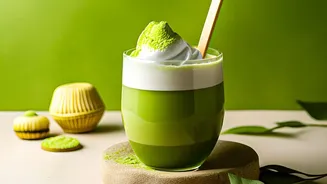
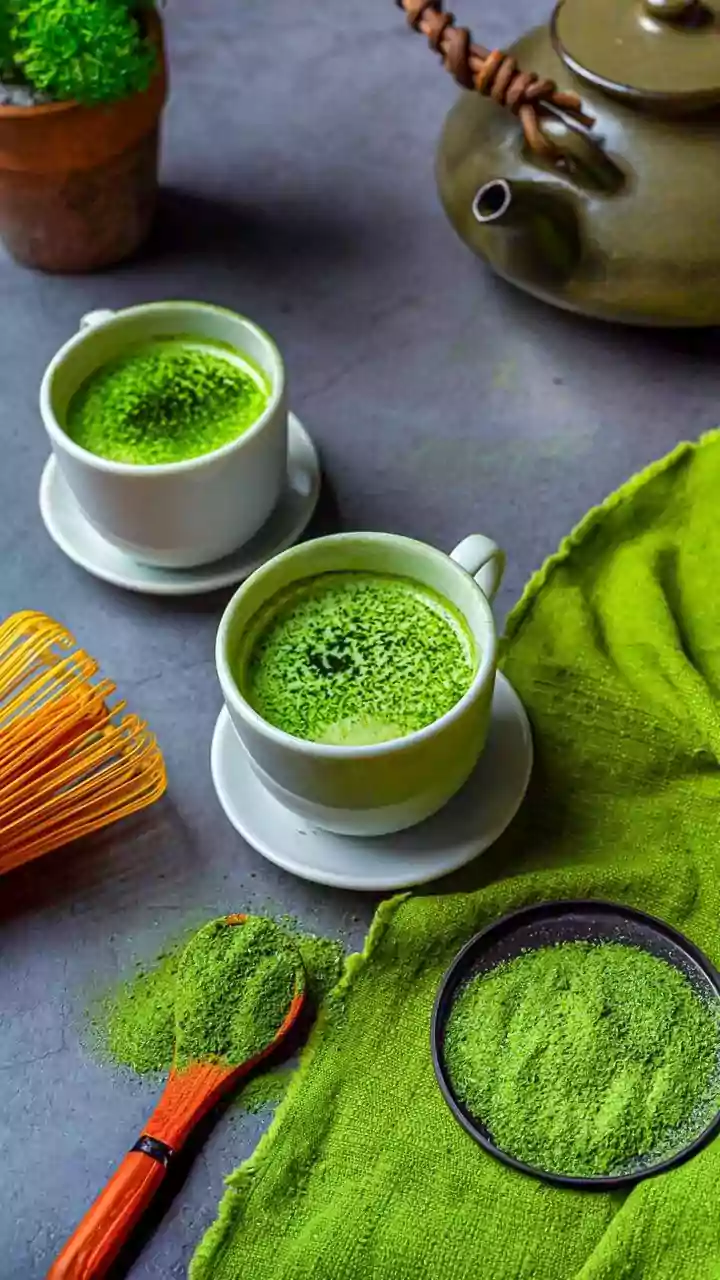
This isn’t just your average green tea. The trend is led by matcha, a finely ground powder of specially grown and processed green tea leaves from Japan. Unlike traditional tea, where you discard the leaves after brewing, with matcha you consume the entire
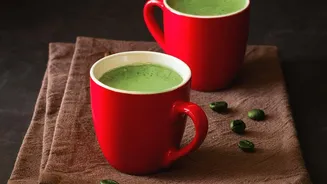
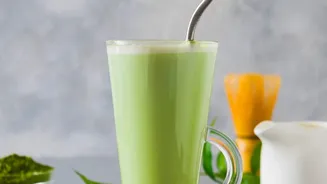
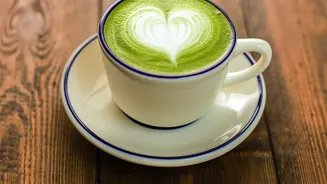
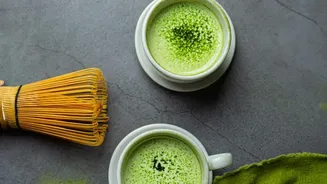
leaf, resulting in a more concentrated dose of antioxidants and nutrients. But the green wave doesn't stop at matcha. Cafes are also experimenting with other potent green powders like moringa, often called the 'drumstick tree' and a staple in Ayurvedic traditions. The 'artisanal' tag comes from the focus on quality and preparation. Baristas are using ceremonial-grade matcha, known for its sweet, umami flavour, and are often seen whisking it with a traditional bamboo tool before adding steamed milk. This focus on craft and quality ingredients sets these drinks apart from mass-produced beverages.
More Than Just a Pretty Drink
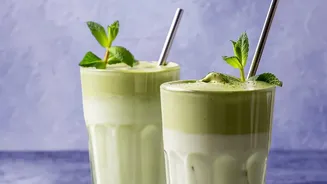
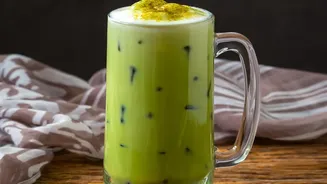
So, why the sudden surge in popularity? It’s a mix of wellness, aesthetics, and a search for novelty. Health-conscious millennials and Gen Z consumers are increasingly seeking functional beverages that do more than just quench thirst. Matcha is rich in an amino acid called L-theanine, which promotes a state of calm alertness, offering a gentle energy boost without the jitteriness sometimes associated with coffee. Moringa is a caffeine-free powerhouse, packed with vitamins, minerals, and all nine essential amino acids. This strong wellness narrative makes these lattes an attractive alternative. Of course, their visual appeal is a massive driver. The vibrant green hue is incredibly photogenic, making it a star on social media platforms like Instagram, where aesthetics play a huge role in driving food trends.
A Barista's Perspective
For cafe owners, adding green lattes to the menu is a strategic move. Third-wave coffee shops, which built their reputation on high-quality, single-origin coffee, see artisanal teas as a natural extension of their craft beverage philosophy. Chains like Blue Tokai, Third Wave Coffee, and even Starbucks have successfully integrated matcha into their core offerings, normalising it for a wider audience. According to cafe owners, these beverages aren't necessarily replacing coffee but are expanding the menu to cater to different moods and times of the day. They attract customers looking for non-coffee options or a caffeine alternative in the afternoon. The trend is also pushing cafes to become more creative, leading to innovative flavour pairings like mango matcha, lavender matcha, and even combinations with yuzu or rose.
Is Iced Coffee Really Over?
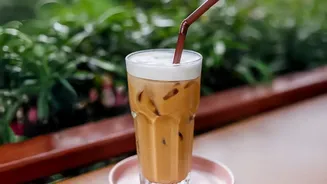
While the headline suggests a dramatic shift, the reality is more nuanced. Iced coffee is by no means disappearing; it remains a beloved staple and a massive market. Instead of a replacement, the rise of green lattes signifies a diversification of the Indian palate. Consumers, especially in metro areas, are becoming more adventurous and are exposed to global trends through travel and social media. They are now seeking a broader range of options. The green latte trend is part of a larger movement towards functional, artisanal, and experiential beverages that also includes everything from kombucha to cold-brew infusions. It shows that the Indian cafe scene is maturing, moving from a market dominated by a few classic drinks to one that embraces variety and caters to a more discerning and health-aware customer.