






From Checklists to Connections
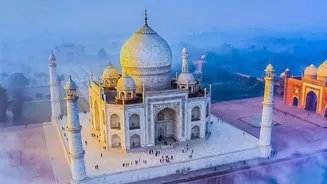
For decades, travel often meant a packed itinerary: see a monument, take a photo, and move on. But a significant change is underway. Modern Indian travellers, particularly millennials and Gen Z, are increasingly bypassing crowded tourist traps in favour
of immersive cultural experiences. This shift reflects a desire for authenticity over curated perfection. Instead of just seeing a place, travellers want to feel it—to understand its culture, interact with its people, and create memories that resonate long after the trip is over. This new approach, often called 'experiential travel', prioritises genuine connection with the destination.
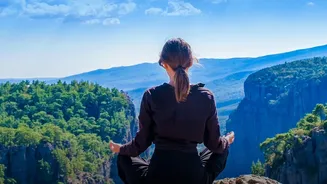
The Search for Inner Peace: Wellness Retreats
In a world of digital overload and corporate burnout, the search for mental and physical well-being has become a travel priority. India, with its ancient traditions of Ayurveda, yoga, and holistic healing, is perfectly positioned to meet this demand. Destinations like Rishikesh, the 'Yoga Capital of the World', and the serene backwaters of Kerala are becoming hubs for travellers seeking rejuvenation. These are not just spa holidays; they are structured wellness programs that focus on deep healing, stress management, and lifestyle correction, offering a true detox for the mind, body, and soul.
A Journey for the Soul
Spiritual travel is also evolving. While pilgrimages remain a cornerstone of domestic tourism, the definition of a spiritual journey is broadening. It is no longer just about visiting a temple. Travellers are now combining faith with wellness, adventure, and cultural immersion. This trend sees people seeking out meditation centres, silent retreats, or simply spending time in places known for their tranquil energy. The goal is personal transformation and inner peace, moving from 'travel for faith' to 'travel for an experience through faith'. This has led to the development of integrated spiritual circuits that blend heritage, wellness, and local culture.
Answering the Call of the Wild
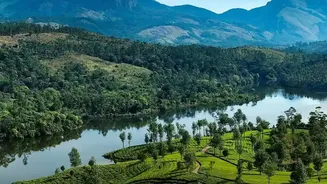
The desire for a connection with nature is another powerful driver of this travel evolution. An increasing number of Indians are flocking to national parks, wildlife sanctuaries, and eco-friendly resorts. This isn't just about spotting a tiger on a jeep safari. Travellers are seeking more immersive experiences like trekking with naturalists, learning about local ecosystems, and staying in sustainable properties that contribute to conservation. Destinations like the Himalayas, the Western Ghats, and the national parks of central India are popular for those looking to disconnect from city life and reconnect with the natural world. This reflects a growing environmental awareness and an appreciation for India's incredible biodiversity.
Why the Shift is Happening Now
Several factors are fuelling this change. The post-pandemic era has placed a greater emphasis on health, well-being, and work-life balance. Many now see travel as a means for personal growth and mental rejuvenation, not just an escape. In a hyper-connected world, the appeal of a digital detox and authentic, unfiltered experiences is stronger than ever. Furthermore, a rising generation of travellers values experiences over possessions and is more conscious of sustainable and responsible tourism. They are not just collecting destinations; they are seeking transformation.