



The Concrete Jungle Gets a Green Makeover
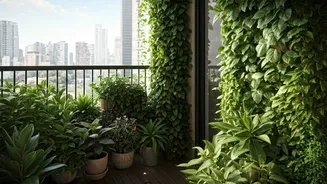
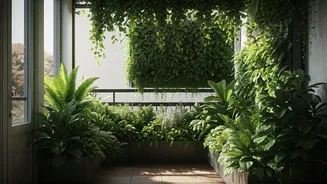
Walk through any new residential development in a major U.S. city, and you’re likely to see it. Peeking over the railings of high-rise condos and townhomes are cascades of green. These aren't your grandmother’s lonely geraniums in a pot. This is something
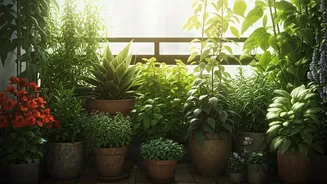
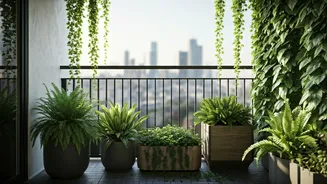
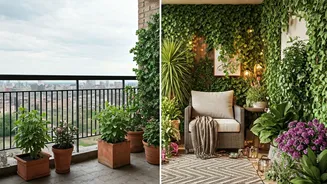
else entirely: dense, meticulously curated, and unapologetically wild. The trend has a few buzzwords, but they all point to the same thing. It’s the 'balcony urban jungle'—a small-space garden that uses every square inch of vertical and horizontal space. Trellises groan under the weight of climbing vines, custom-built shelves hold armies of terracotta pots, and hanging planters create a living green ceiling. It’s a deliberate, immersive experience designed to make a 50-square-foot concrete slab feel like a secluded corner of a rainforest.
More Than Just a Potted Plant
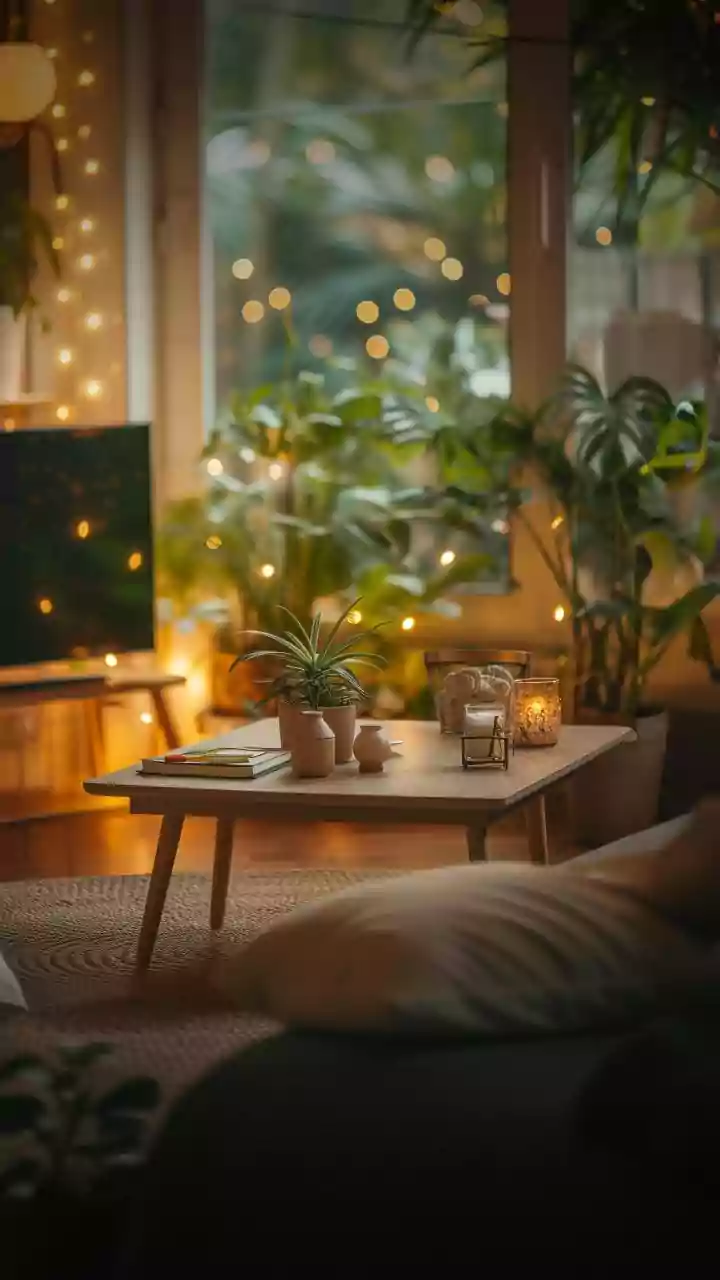
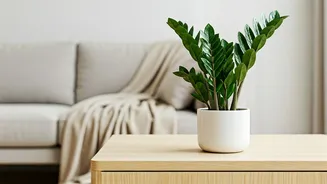
So, why the sudden explosion in high-altitude horticulture? The answer lies at the intersection of real estate realities and a growing wellness movement. For many young and first-time homeowners, the dream of a single-family home with a yard is financially out of reach. A condo with a balcony is the more attainable prize. Instead of seeing this as a compromise, they’re treating it as a design challenge. This is where 'biophilic design' comes in—the practice of connecting people with nature in built environments. The term might sound academic, but the principle is ancient: humans feel better when they’re around living things. After years spent staring at screens, and especially after the confines of the pandemic, the desire for a tangible, restorative connection to nature is stronger than ever. A balcony jungle isn't just decoration; it's a mental health tool, a natural air purifier, and a quiet rebellion against sterile urban living.
Generation Green Thumb
While urban gardening is nothing new, this particular movement is being championed by a younger demographic. Millennials and Gen Z, who are now entering the housing market, grew up with digital-first lives and a keen awareness of sustainability and self-care. For them, cultivating a garden is a deeply analog and rewarding hobby. It’s also, undeniably, an aesthetic. A lush balcony is the ultimate backdrop for an Instagram post, a serene spot for a morning coffee photo, and a status symbol that says, 'I am nurturing and creative.' Online communities and influencers on platforms like Pinterest and TikTok share tips on everything from drip-irrigation systems for balconies to which heirloom tomato varieties thrive in containers. This digital ecosystem demystifies the process, turning what was once a niche hobby into an accessible and highly visible cultural trend. It’s a perfect blend of offline activity and online community.
A Vertical Feat of Engineering
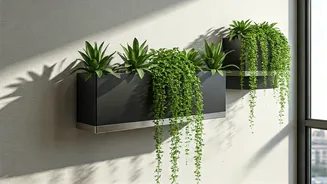
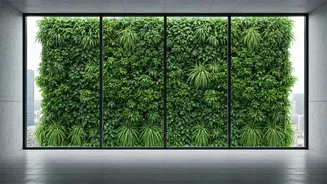
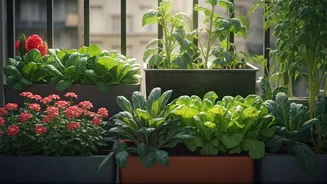
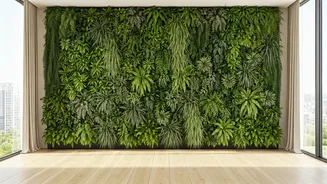
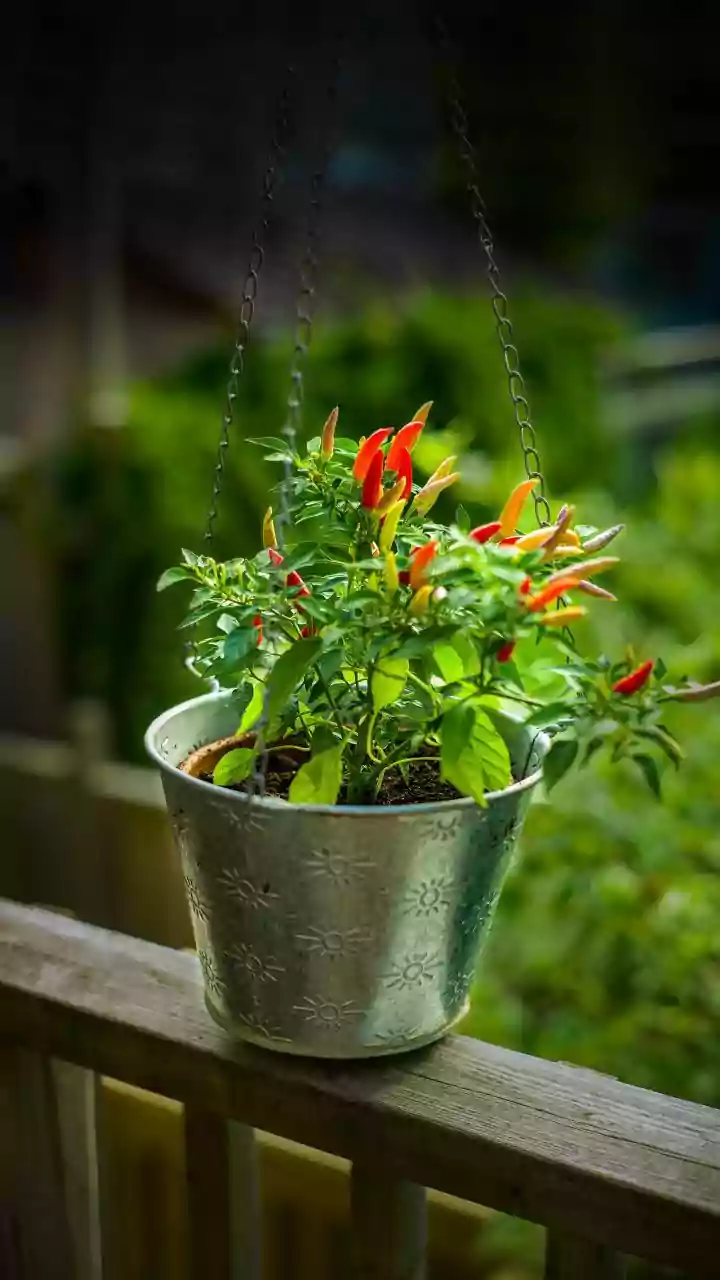
Creating a thriving jungle on a small balcony requires more than just enthusiasm; it demands ingenuity. Space is the primary constraint, so the only way to go is up. Vertical gardening systems are key, ranging from simple wall-mounted pocket planters and tiered shelving units to complex, custom-built 'green walls.' Weight is another serious consideration, leading gardeners to opt for lightweight potting mixes and fiberglass or plastic containers over heavy ceramic. Smart plant selection is crucial. Balcony gardeners become amateur meteorologists, tracking sun patterns, wind exposure, and temperature fluctuations to choose plants that will thrive. Vining plants like pothos and philodendron are popular for creating a 'draping' effect, while compact herbs, lettuces, and even dwarf fruit trees are tucked in wherever they can fit. It's a game of horticultural Tetris, where every plant has a purpose and a place.