
Why Drainage Is Non-Negotiable
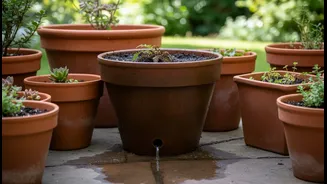
Before you think about watering schedules or asking a neighbour for help, look at the bottom of your pots. The single most important feature for a healthy potted plant is a drainage hole. Many plant owners, fearing their plants will dry out, make the fatal
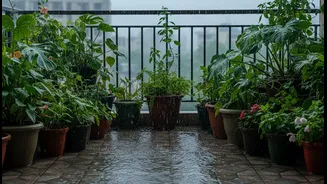
error of overwatering right before a trip. Without an escape route, this excess water saturates the soil, pushes out essential air pockets, and suffocates the roots. This waterlogged environment is the perfect breeding ground for fungal diseases that cause root rot, a condition that can quickly kill a plant. Healthy roots need oxygen to function. Proper drainage ensures they can breathe, preventing the mushy, brown decay that signals disaster. It also helps flush out excess salts from tap water and fertilisers that can build up and harm your plant over time.
The Pre-Travel Watering Plan
A day or two before you leave, give your plants a thorough and deep watering. The goal is to saturate the soil completely, allowing water to run freely through the drainage hole. This ensures the entire root system has access to moisture. Let the pot drain completely for a few minutes before placing it back in its saucer or decorative container. Crucially, you must empty any excess water that collects in the saucer. Leaving a plant sitting in a puddle recreates the exact waterlogged conditions you're trying to avoid and negates the benefit of the drainage hole. This deep-soak method provides a solid reserve of moisture without drowning the roots, setting your plant up for success while you are away.
Adjust Light and Location
Plants in bright, direct sunlight use water much faster. To slow down this process and reduce stress, move your plants away from hot windows before you leave. A spot that receives lower or indirect light is ideal for a short period. Most houseplants can tolerate lower light conditions for a couple of weeks. This simple relocation reduces the rate of evaporation from the soil and transpiration from the leaves, helping the plant conserve the water you provided. Also, keep plants away from heating or air conditioning vents, which can cause them to dry out quickly. A stable, moderate temperature is best.
Create a Humid Microclimate
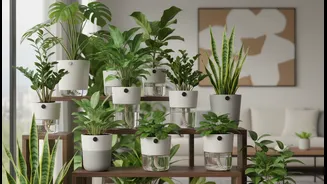
If you have multiple plants, consider grouping them together in a bathroom or another cool room. When plants are huddled together, they create a more humid microclimate around themselves. As they transpire (release water vapor from their leaves), the collective humidity rises, benefiting the entire group and slowing down individual water loss. For an extra humidity boost, you can place the pots on a shallow tray filled with pebbles and a bit of water. Ensure the pots are sitting on the pebbles, not directly in the water, to avoid root rot. This setup allows water to evaporate from the tray, increasing ambient humidity without waterlogging the soil.
Solutions for Longer Trips
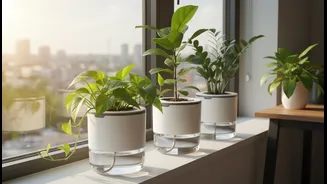
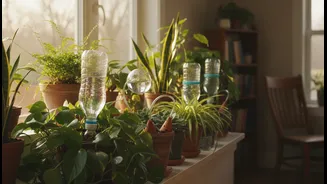
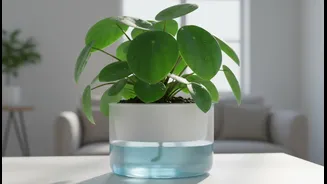
If you'll be gone for more than a week or two, you may need a more robust solution. Self-watering planters with built-in reservoirs can be a great option, allowing plants to draw up water as needed. Watering globes or spikes, which slowly release water into the soil, can also extend the time between waterings. For a DIY approach, a wicking system is effective. You can run a cotton cord from a large container of water to the soil of your plant. The wick will slowly draw water into the pot. However, it's wise to test any new system for a few days before you leave to ensure it works correctly and doesn't over- or under-water your plant. Of course, the most reliable method for long absences is a trusted plant-sitter.
Mistakes to Avoid
The biggest mistake, besides using a pot without drainage, is attempting to compensate by leaving the plant in a bathtub or sink filled with several inches of water. This almost guarantees root rot. Another common error is closing all the blinds, plunging your plants into darkness. While reducing light is helpful, plants still need some light for photosynthesis. Completely dark conditions can cause them to deteriorate quickly. Finally, don't make any drastic changes right before you leave, like repotting or heavy pruning, which can add stress. A pre-travel health check for pests is also a good idea to prevent an infestation from getting out of hand while you're gone.