

The dream of harvesting tart, ruby-red cranberries from your own living room is a tempting one. But unlike a simple spider plant, bringing this bog native indoors is a project for the truly dedicated gardener. Here’s what you need to know.
More Than Just a Pretty Plant
Cranberries
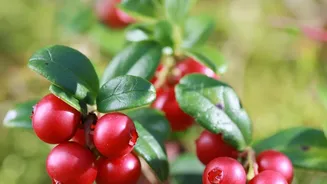
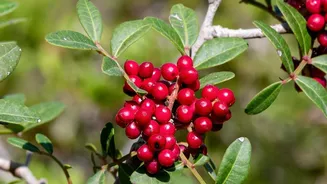
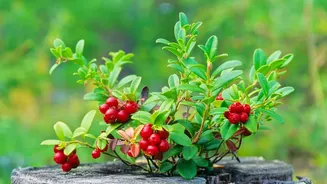
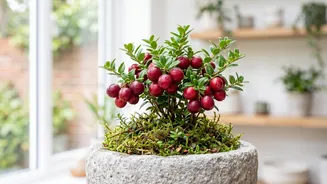
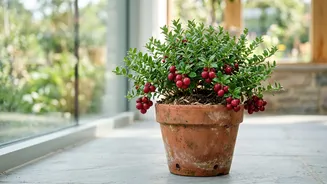
(Vaccinium macrocarpon) are captivating plants. These low-growing, evergreen vines have delicate, thin stems and small, glossy leaves. In late spring, they produce unique pink flowers that are followed by the famous berries, which transition from white to a deep red when ripe. It’s easy to see the appeal for a container garden, offering both beautiful foliage and a functional harvest. However, their wild origins in the boggy, acidic marshes of North America give them a very specific set of needs that are challenging to replicate indoors. While you can absolutely grow them in a pot, success requires moving beyond general houseplant care and into a more specialised approach.
The Crucial Soil Situation
The single most important factor for cranberry health is the soil. They are acid-loving plants and absolutely require a soil pH between 4.0 and 5.5. Standard potting mix is far too alkaline and will prevent the plant from absorbing nutrients. To succeed indoors, you must create a special blend. A mix of peat moss and coarse sand is ideal, as it provides both the necessary acidity and the excellent drainage these plants need. You can also look for pre-made potting mixes designed for other acid-loving plants like azaleas. You will need to test the soil's pH at least once a year and be prepared to amend it to keep it in the correct range. Without this acidic foundation, your cranberry plant simply will not survive.
Light, Water, and a Necessary Chill
Cranberry plants need full sun, which translates to at least six hours of direct, bright light per day when grown indoors. A south-facing window is often necessary, and even then, you may need to supplement with a grow light to ensure the plant gets enough energy for fruiting. When it comes to water, the soil should be kept consistently moist but never waterlogged. They are bog plants, but they don't grow underwater; good drainage is key to prevent root rot. Perhaps the most difficult requirement to meet indoors is their need for a winter dormancy period. Cranberry plants require a significant number of 'chilling hours'—at least 1,500 hours (about 62 days) at temperatures below 7°C (45°F)—to trigger proper flowering and fruit development in the spring. This means you'll need a space like an unheated garage or a protected outdoor balcony to let the plant rest in the cold.
The Pollination Puzzle
Out in the bogs, bees and other insects take care of pollinating cranberry flowers. Indoors, that job falls to you. Cranberry flowers cannot selfpollinate, meaning pollen must be moved from one flower to another for a berry to form. To achieve this, you will need to play the part of the bee. This is typically done using a small, clean paintbrush or cotton swab. Once the pink flowers open, you gently brush the inside of each flower, transferring pollen from one to the next. This process, known as handpollination, must be done diligently while the plant is in bloom to ensure you get a harvest. It’s a delicate, timeconsuming task that highlights the handson effort required.
Is It the Right Project for You?
Growing cranberries indoors is less about casual plant ownership and more about undertaking a fascinating horticultural project. It requires specific equipment like pH testing kits and potentially grow lights, a dedicated space for winter chilling, and a commitment to handson tasks like pollination. While varieties like 'Pilgrim' or 'Stevens' are common choices, the core challenges remain regardless of the cultivar. If you are a novice gardener, it may be a frustrating experience. But if you are a plant enthusiast who loves a good challenge and is willing to meticulously recreate a specific natural environment, the reward of your very own fresh cranberries can be immensely satisfying.