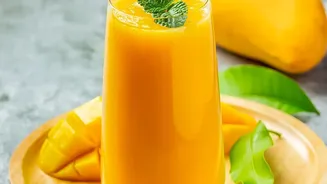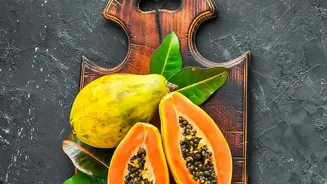





In the world of tropical fruits, mango and papaya are titans, beloved for their sweet flavours and vibrant colours. But beyond the taste, a whirlwind of health claims can cause confusion. Let's cut through the noise and compare them side-by-side.
The Flavour and Texture Showdown
Choosing
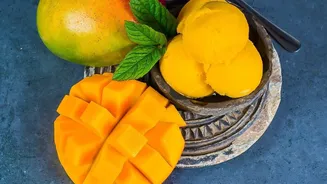
between mango and papaya often comes down to personal preference in taste and texture. Mango, the celebrated 'king of fruits', typically delivers an intensely sweet, rich, and sometimes tangy flavour. Its flesh can range from buttery and smooth to firm and fibrous, depending on the variety. Papaya, on the other hand, offers a milder, more subtle sweetness with a musky undertone. Its texture is consistently soft, creamy, and almost buttery, melting in your mouth. Those who find mango overpowering might prefer the gentle flavour of papaya, while those seeking a bold, sweet-tart experience will likely reach for a mango.
A Head-to-Head Nutritional Comparison
When it comes to nutrition, both fruits are winners, but they excel in different areas. Papaya is the lighter choice, containing fewer calories and significantly less sugar than mango. A 100-gram serving of papaya has about 43 calories and 7.8 grams of sugar, while the same amount of mango contains around 60 calories and 13.7 grams of sugar. Papaya is a vitamin C champion, with one cup providing nearly 100% of the daily recommended intake. Mango, however, is the clear winner for vitamin A, thanks to its high beta-carotene content, which is crucial for eye and skin health. Both fruits provide similar amounts of dietary fibre, which aids digestion and promotes a feeling of fullness. Mango also offers more folate and vitamin E, while papaya has slightly more potassium and calcium.
Real Health Benefits, Not Miracles
Both fruits offer genuine health benefits supported by their nutrient profiles. The high vitamin C content in both, especially papaya, is essential for a robust immune system and skin health. Mango's abundance of vitamin A supports vision and immune defense. The fibre in both fruits is excellent for promoting digestive regularity. Papaya contains a unique enzyme called papain, which helps break down proteins and can aid digestion, which is why it's often considered a remedy for constipation. Mango contains a polyphenol called mangiferin, an antioxidant that has been studied for its anti-inflammatory properties. Enjoying these fruits contributes to a healthy diet, but they are not standalone cures for any disease.
Sorting Fact from Fiction
Many myths surround these popular fruits. One common myth is that mangoes cause weight gain. In reality, when eaten in moderation, their fibre content can actually help you feel full and manage weight. Similarly, the belief that mangoes cause acne is not supported by science; in fact, their vitamin A content can be beneficial for skin health. A persistent myth about papaya is that it can singlehandedly increase platelet counts during dengue fever. While some research has explored papaya leaf extract for this purpose, there is no strong evidence that eating the fruit itself has this effect, and it should never replace medical treatment. Another myth is that ripe papaya is unsafe during pregnancy. This concern stems from unripe papaya, which contains latex that could potentially cause uterine contractions. However, fully ripe papaya is generally considered safe and nutritious.
Best Uses in the Kitchen
The different characteristics of mango and papaya lend them to distinct culinary uses. Mango's robust sweetness and firm texture make it a star in desserts like kulfi, ice cream, and sticky rice. It's also a classic in beverages like mango lassi and smoothies, and its sweet-tart profile shines in savoury dishes like chutneys and salsas. Papaya's soft, buttery texture makes it perfect for smoothies and salads, where it adds moisture and subtle sweetness. Unripe green papaya is a staple in many Asian cuisines, famously used in shredded salads. Ripe papaya can be grilled, used in salsas, or simply enjoyed on its own with a squeeze of lime to enhance its flavour. The papain enzyme also makes it a natural meat tenderizer.