




Embrace the Sunrise Mission
The single most effective strategy for beating the crowds at monuments like the Taj Mahal is to arrive at sunrise. The gates often open about 30 minutes before the sun appears, and this first hour is the quietest and coolest part of the day. Most large
tour groups and local visitors arrive a few hours later, so an early start grants you a more serene atmosphere and the bonus of watching the morning light transform the architecture. For the Taj Mahal, this means witnessing the white marble shift from soft grey to pink to brilliant white. To make this happen, stay overnight in the city of the monument, such as Agra, rather than attempting a same-day trip from Delhi.
Master the Art of Timing
Beyond the sunrise rule, timing your visit by the day and season is crucial. Weekdays, particularly Tuesdays through Thursdays, see significantly fewer visitors than weekends and public holidays. The Taj Mahal, for instance, is closed to the public on Fridays. If your schedule is flexible, consider travelling during India’s 'shoulder seasons'—the months just before or after the peak tourist rush, like October-November or February-March. While off-season travel during the summer heat (April-June) or monsoon (July-September) comes with weather challenges, it also promises drastically fewer people and lower prices on flights and hotels. The monsoon, in particular, can offer lush, green landscapes and dramatic skies.
Book Online and Choose Your Gate Wisely
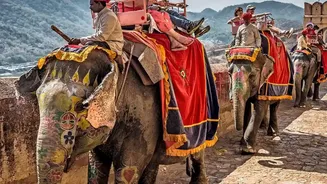
Standing in a long ticket queue while the perfect morning light fades is easily avoidable. Almost all major monuments now offer online ticketing. Booking your ticket in advance allows you to skip the counter and head straight for the security line, saving precious time. The entry gate you choose can also make a difference. At the Taj Mahal, for example, the East Gate is often less congested than the more commonly used West Gate. Similarly, for Jaipur's Amer Fort, arriving right at its 8 a.m. opening time can help you avoid the tour buses that start pulling in around 9 a.m.
Find Alternative Vantage Points
Sometimes the best view isn't the most obvious one. For a tranquil sunset view of the Taj Mahal, consider Mehtab Bagh, the garden complex located directly across the Yamuna River. This spot provides a stunning, crowd-free perspective. In Jaipur, many visitors are told to go inside the Hawa Mahal, but a popular local hack is to visit one of the rooftop cafes across the street, like the Wind View Cafe. For the price of a cup of tea, you can get the perfect, unobstructed photograph of its famous facade. This approach lets you appreciate the scale and beauty of a landmark without being in the thick of the main tourist flow.
Explore Beyond the Main Attraction
Many of India's most famous sites are surrounded by lesser-known but equally captivating locations. After an early morning visit to Amer Fort, take a short trip to the nearby Panna Meena ka Kund, a beautiful and often deserted stepwell. Instead of joining the crowds for a sunset view from a popular fort, seek out quieter spots like the Royal Gaitor Tumbas in Jaipur, which are the peaceful and intricately carved cenotaphs of former maharajas. Slowing down your itinerary to explore these secondary sites not only helps you escape the crowds but also provides a richer, more textured understanding of the region's history and culture. An unplanned afternoon can often lead to the most memorable discoveries.