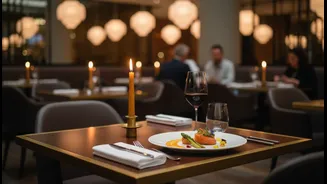









From Awkward Taboo to Celebrated Trend
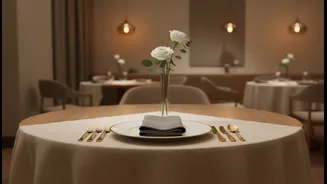
Not long ago, asking for a “table for one” was often met with a sympathetic tilt of the head. Solo diners were frequently seen as lonely figures, occupying a space meant for social connection. This stigma, however, is rapidly fading. In urban India and
across the globe, dining alone is being reframed from a sign of social isolation to a statement of independence. This shift is driven by changing social attitudes that increasingly value solitude and personal time. Social media has played a role, with hashtags like #solodate turning the act into a celebrated, shareable experience that showcases self-reliance rather than loneliness.
The Forces Driving the Shift
Several factors are contributing to this cultural transformation. Demographically, a global rise in single-person households means more people are naturally navigating life, including meals, on their own. In India, this is coupled with a rise in young professionals with flexible work hours and a growing comfort with solo activities. The rise of remote work has also encouraged people to get out of the house for a change of scenery. Psychologically, there's a powerful move towards self-care, with many viewing a solo meal as a chance for peace and quiet. It’s an opportunity to decompress, enjoy a meal without compromise, and practice mindfulness by focusing entirely on the food and the experience. The smartphone also acts as a comfortable dining companion for some, providing entertainment or a sense of connection without the need for conversation.
How the Restaurant Industry Is Adapting
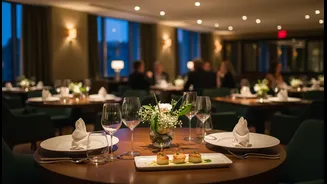
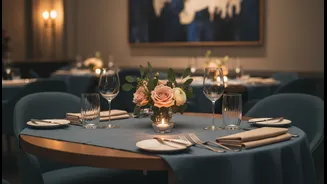
Smart restaurateurs are embracing the trend, recognizing that solo diners are a valuable and growing customer base. In India, designing for solo diners is now part of the initial planning for new restaurants, not an afterthought. This translates to more bar and counter seating that offers a view of the kitchen, creating an engaging experience. Communal tables are also becoming more common, allowing individuals to feel part of a lively atmosphere without being isolated. Menus are also being adapted, with more establishments offering smaller portions, tasting menus for one, and flexible mix-and-match options so a single person can sample a variety of dishes. Service is changing, too, with staff trained to be more attentive and read a solo diner's cues—understanding whether they prefer quiet solitude or a friendly chat.
The Simple Joy of Your Own Company
The ultimate driver of this trend is the diner's own experience. Eating alone offers a unique form of freedom. There's no need to negotiate on cuisine, dining time, or who gets the last bite. It’s a chance to truly savor a meal, paying closer attention to flavours and textures without the distraction of conversation. For many, it's an exercise in confidence and self-reliance, a small rebellion against the idea that one must always be socially engaged to feel whole. It is an act of choosing your own company and finding it to be more than enough. Psychologists note that when this solitude is a conscious choice, it can reduce stress and boost self-esteem, distinguishing it from unwanted loneliness.