




Forecast First, Fun Follows
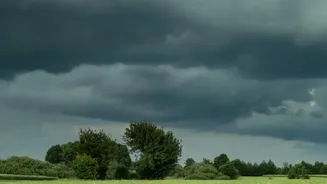
Before you even think about packing, your first step should be a deep dive into the weather forecast. During the monsoon, conditions can change rapidly. Rely on credible sources like the official Mausam app from the Indian Meteorological Department (IMD)
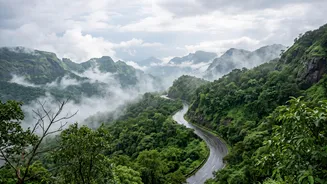
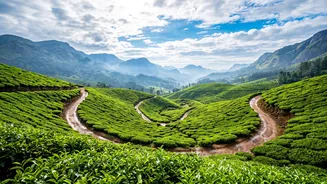
or other reliable services like Skymet Weather. These apps provide real-time updates, severe weather alerts, and radar imagery that can help you avoid routes prone to flash floods or landslides. When choosing a destination, opt for those known to be safe during the rains, such as the classic Mumbai to Lonavala drive or the scenic route from Kochi to Munnar. Avoid areas with a high risk of road closures or those that are exceptionally remote unless you are an experienced monsoon traveller.
Prep Your Ride for the Rain
Your vehicle is your most important asset on a rainy road trip, and a pre-trip check is non-negotiable. Ensure your tyres have a tread depth of at least 3mm for a proper grip on wet roads; worn-out tyres are a leading cause of skidding and hydroplaning. Test your brakes, as wet conditions increase stopping distances. Replace old or streaky wiper blades for clear visibility and top up your windshield washer fluid. It's also crucial to check all your lights—headlights, tail-lights, and indicators—to ensure you can see and be seen in heavy downpours. Finally, check the battery and wiring for any exposed parts that could short-circuit in contact with water.
Master the Monsoon Roads
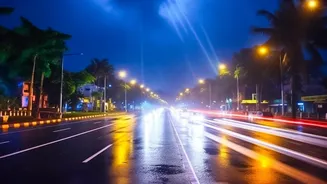
Driving in the rain demands a different set of skills and a heightened sense of awareness. The golden rule is to reduce your speed and increase the following distance between you and the vehicle ahead. Wet roads are slippery, and sudden braking can lead to a loss of control. Use your low-beam headlights to improve visibility for yourself and other drivers, even during the day. Never use cruise control on wet roads, as it can interfere with your ability to respond to hydroplaning. If you encounter a waterlogged street, do not attempt to drive through it. It’s impossible to gauge the depth or know if there are hidden potholes or open manholes beneath the surface.
Pack for Puddles and Pleasure
Packing for a monsoon trip is all about staying dry and comfortable. Prioritise quick-dry synthetic clothing over cotton, which takes a long time to dry in humid conditions. A lightweight, waterproof rain jacket or poncho is more practical than an umbrella, which can be useless in strong winds. Pack waterproof footwear with a good grip to navigate slippery surfaces. Use waterproof bags or ziplock pouches to protect your electronics, documents, and other valuables. It’s also wise to pack a basic first-aid kit, insect repellent, and any necessary medications. A quick-dry microfibre towel is another excellent addition, as it's lightweight and dries much faster than a standard towel.
Embrace the Indoor Detour
A rainy day doesn’t have to mean a boring day. Some of the best travel memories are made when plans change. If the downpour is too intense for driving or sightseeing, look for indoor alternatives. Many cities have fantastic museums, art galleries, or cultural centres that are often less crowded during the monsoon. A rainy afternoon is also the perfect excuse to settle into a cosy café with a book, try a local cooking class, or explore an indoor market. Building flexibility into your itinerary is key. Instead of seeing the rain as an obstacle, view it as an opportunity to experience your destination from a different, more intimate perspective.