



A Season Steeped in Tradition
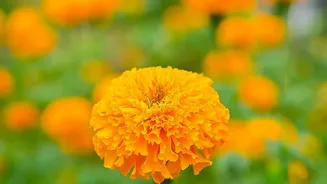
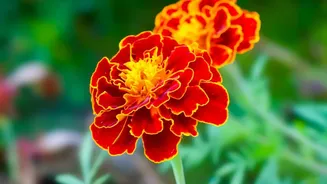
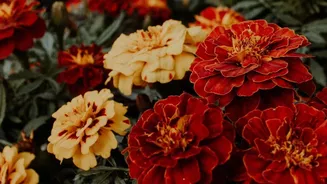
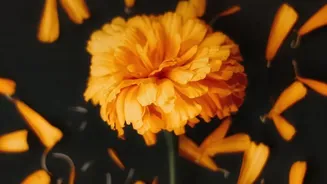
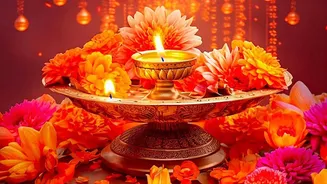
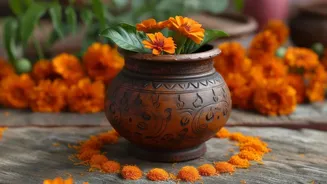
October ushers in India's most vibrant festive season, and these flowers are central to the celebrations. Marigolds, or 'genda,' are indispensable for Dussehra and Diwali. Their bright, sun-like colours are considered auspicious, symbolizing positivity,
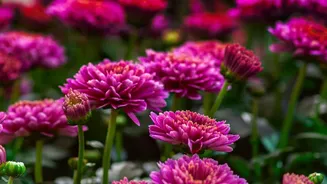
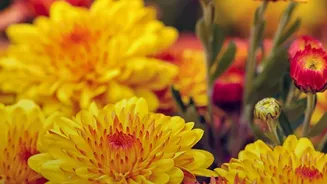
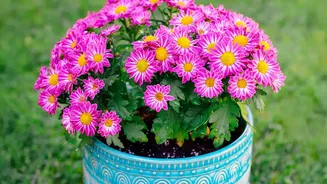
prosperity, and the triumph of good over evil. They are woven into thick garlands, or 'torans,' that adorn doorways to welcome guests and deities, particularly Goddess Lakshmi and Lord Ganesha. The flower’s hardy nature, which keeps it from wilting quickly, is seen as a symbol of unwavering faith and resilience. Chrysanthemums, known locally as 'guldaudi,' also play a significant role. Though their symbolism is more understated, yellow chrysanthemums represent joy, optimism, and longevity. They are frequently used in temple offerings and home decorations, adding another layer of texture and brightness to the festive palette.
The Perfect Autumn Climate
Beyond their cultural importance, there is a simple scientific reason these flowers dominate the autumn landscape: they are perfectly suited to the season's climate. Both marigolds and chrysanthemums are 'short-day' plants. This means they require longer nights and shorter days to trigger the budding and blooming process. The transition out of the monsoon into the cooler, clearer days of October provides the ideal environmental cue. The soil, still moist from the rains but no longer waterlogged, offers excellent growing conditions. These plants thrive in the full but mellow sunlight that characterises Indian autumn, producing a profusion of flowers just as the demand from festivals reaches its peak. Their ability to tolerate heat while responding to the changing light cycle makes them reliable performers in gardens across the country during this specific period.
The Home Gardener's Choice
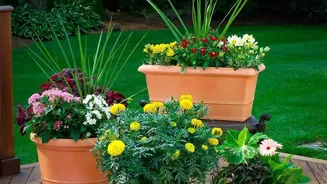
For home gardeners, marigolds and chrysanthemums are a rewarding choice. Marigolds, in particular, are famously low-maintenance. They grow quickly from seeds sown post-monsoon and are not fussy about soil, as long as it is well-drained. Many experienced gardeners plant marigolds as companion plants, as their distinct scent naturally repels common pests like nematodes, protecting more delicate vegetable and flower patches. Chrysanthemums require slightly more care, especially with watering and pinching back early growth to encourage bushier plants and more flowers. However, their stunning, multi-petaled blooms make the effort worthwhile. For both, a key tip is to 'deadhead,' or remove spent flowers, which encourages the plant to channel its energy into producing new blooms throughout the festive season and well into winter.
From Fields to Festive Homes
The flourishing of these flowers is also a significant economic event. The immense demand during the Dussehra-Diwali period supports a massive floriculture industry across states like Karnataka, Tamil Nadu, and Maharashtra. Farmers time their cultivation cycles to ensure their fields are bursting with colour right before the festival rush. Walk through any city's flower market in October, and you will see mounds of orange and yellow, ready to be sold by the kilogram. This agricultural rhythm, driven by cultural demand, ensures that from the largest temples to the humblest apartment balconies, everyone has access to these symbols of celebration. It's a beautiful cycle where faith fuels farming, and nature, in turn, provides the perfect canvas for devotion.