





The Clean Slate Experiment
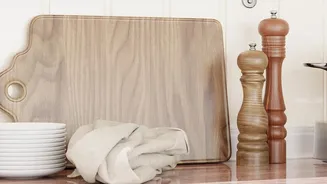
The first step is simple, yet powerful: choose one high-traffic flat surface and clear it completely. This is your ground zero. Take everything off it—appliances, decor, and especially the accumulated clutter. Put it all in a box or basket for a moment
and wipe the surface clean. For the next week, your only job is to maintain this single empty space. This isn't about a whole-home declutter just yet; it's a focused experiment. The goal is to create a vacuum that will reveal your household's natural habits. That pristine, empty space gives you a chance to see, in real-time, what lands there first and why. It’s a concept often called the "Clean Slate" method, and it removes the overwhelming task of tackling everything at once, replacing it with mindful observation.
Become a Clutter Detective
With your counter now empty, you become a detective in your own home. Pay close attention to what items begin to creep back onto the surface. Don't immediately snatch them away. Instead, observe. Is it mail and flyers from the letterbox? Is it your child's school bag and art projects? Are keys and wallets consistently dropped there the second you walk in the door? These items are not the problem; they are symptoms. They are highlighting a system that is missing in your home. Countertops become a dumping ground because they are convenient, but this convenience is often a sign that items don't have a designated, easy-to-access "home" elsewhere. The accumulation of these items can increase stress and anxiety, as the visual chaos constantly sends signals to our brain that work is left undone.
Trace Clutter to Its Source
Once you've identified the repeat offenders on your clean slate, it's time to trace them back to their origins. Each pile tells a story. A stack of unsorted mail means you lack a simple paper management system. A tangle of charging cords and devices means you need a centralized charging station. Backpacks and shoes appearing on or around the counter indicate the need for a dedicated drop-zone near the entrance. This is where the magic happens: you stop blaming yourself for being “messy” and start seeing the logistical gaps in your home's setup. Many people discover their clutter problem is actually a “things-not-put-away” problem, which is often caused by overstuffed cabinets or a lack of clear systems.
Create Designated 'Homes' and Systems
Now for the solution phase. Based on your detective work, create logical, easy-to-use systems. The golden rule of organization is “a place for everything, and everything in its place,” because it works. If mail is the issue, set up a small inbox or mail sorter right by the door, with a scheduled time each week to go through it. For keys, wallets, and phones, install a few hooks or a small tray. For the kids' school items, create a designated spot in a mudroom or entryway closet with bins for papers and hooks for bags. The key is to make the new system just as easy—or easier—than dropping things on the counter. When putting things away is effortless, you're more likely to do it.
From One Counter to a New Mindset
The beauty of the single empty counter experiment is that it's scalable. Once you've successfully diagnosed and solved the clutter problem on one surface, you can apply the same method to other hotspots around your home. The perpetually messy bedside table, the chair in the corner of the bedroom that holds more clothes than people, or the coffee table buried under magazines and mugs—each one can be your next project. By starting small, you build momentum and confidence. You're not just cleaning; you're developing a new mindset. You're learning to read the language of your clutter and respond with thoughtful, practical solutions that create a more peaceful and functional living environment for everyone in the household.