




The End of an Era for the ISS
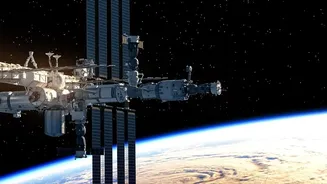
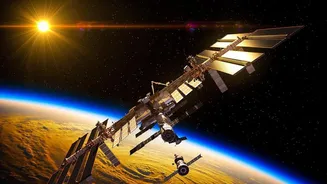
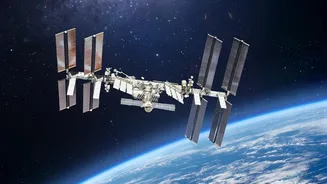
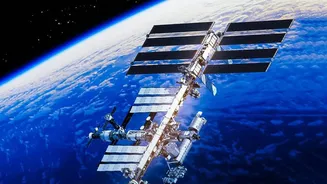
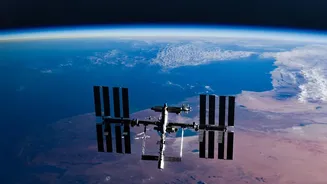
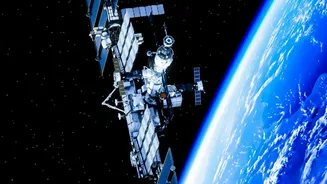
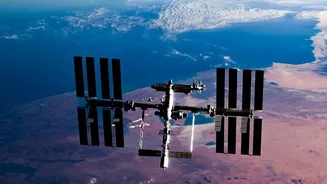
The International Space Station has been a monumental achievement of global cooperation, continuously occupied since November 2000. However, the station is aging. NASA and its partners plan to deorbit the nearly 400-metric-ton structure around 2030, guiding
it to a controlled and fiery re-entry over a remote part of the Pacific Ocean known as Point Nemo, the 'spacecraft cemetery'. Maintaining the ISS costs NASA billions annually, and as its hardware ages, those costs are projected to rise. This, combined with a desire to focus government resources on deep space missions like the Artemis program to the Moon and beyond, created an urgent need for a new strategy in low-Earth orbit (LEO).
NASA's New Role: From Owner to Customer
Rather than building a new government-owned station, NASA is embracing a new model: becoming just one of many customers for a fleet of privately owned and operated commercial space stations. Through its Commercial Low-Earth Orbit Destinations (CLD) program, NASA is providing funding and technical support to several companies to accelerate the development of these new orbital platforms. The goal is to ensure there is no gap in America's ability to conduct microgravity research and maintain a human presence in LEO after the ISS is gone. This public-private partnership approach mirrors the success of NASA's commercial cargo and crew programs, which used companies like SpaceX to service the ISS, saving taxpayer money and fostering a competitive market.
Axiom Space: Building an ISS Successor
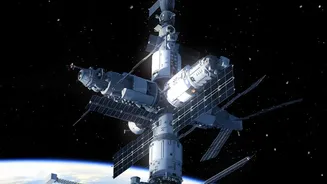
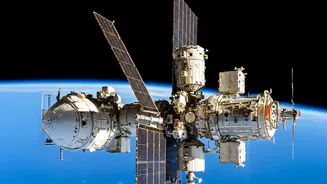
One of the most prominent players is Axiom Space, which is already running private astronaut missions to the ISS. Their plan for Axiom Station is unique. Initially, the company intended to attach its modules to the ISS, test them in orbit, and then detach them to form a free-flying station before the ISS is retired. However, plans were updated to accelerate the timeline; the first power module will launch to the ISS, but will later detach to join a habitat module launched separately, allowing the free-flying Axiom Station to begin operations as early as 2028. Construction of the first module is already underway, with manufacturing partner Thales Alenia Space fabricating the primary structures.
Orbital Reef: A 'Business Park' in Space
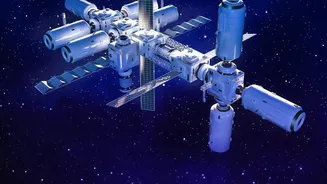
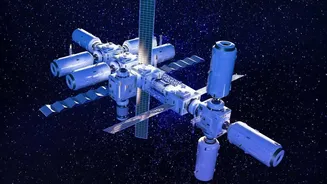
A powerhouse team led by Jeff Bezos's Blue Origin and Sierra Space is developing Orbital Reef, envisioned as a "mixed-use business park" in space. The concept is to provide an open-architecture platform for a wide range of customers, including research, manufacturing, tourism, and entertainment. The partnership includes major aerospace players like Boeing, which will provide science modules and crew transportation via its Starliner spacecraft, and Redwire Space, focusing on microgravity research and manufacturing. With a large, flexible environment, Orbital Reef aims to lower the barrier to entry for a diverse set of industries to operate in LEO.
Starlab and Vast: New Orbital Destinations
Another major contender is Starlab, a joint venture between U.S.-based Voyager Space and European aerospace giant Airbus. Northrop Grumman later joined the team to provide logistics and technical support. Starlab is designed as a single-launch station with a large habitat and a dedicated science park, with a launch targeted for 2028 aboard a SpaceX Starship. The company has already completed key design reviews with NASA and is building a full-scale mockup for testing. Separately, the privately funded company Vast is developing its own station, Haven-1, which it hopes to launch as early as 2027, potentially becoming the first commercial station in orbit.
The Dawn of a LEO Economy
The transition from a single, government-run outpost to multiple commercial destinations marks a profound shift. It's the beginning of a true low-Earth orbit economy, where services like research, in-space manufacturing of unique materials like fiber optics, and even space tourism can thrive in a competitive marketplace. This new ecosystem is expected to drive down costs, accelerate innovation, and open up access to space for a wider array of nations and companies. Instead of being the sole operator, NASA can purchase services as needed, freeing up its budget and expertise to push the boundaries of exploration further into the solar system, while ensuring that the vital work in LEO continues.