


The Soothing Power of Licking
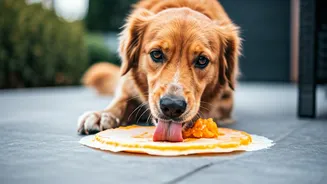
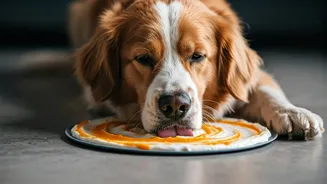
Before we get to the how-to, let's talk about the why. For dogs, licking is more than just a way to eat; it's a self-soothing behaviour. The repetitive action of licking releases calming hormones like endorphins, which can help reduce a dog's anxiety
and stress. This is why a simple frozen treat on a mat can be so effective. It’s not just a snack; it's a relaxing activity. By giving your dog a designated object to lick, you’re providing them with a constructive way to de-stress, focus their energy, and combat boredom. This is especially useful during noisy festivals like Diwali, when you have guests over, or simply when you need a quiet moment to work from home.
Why Pumpkin is a Pawsitive Choice
Pumpkin, or kaddu, is often called a superfood for dogs, and for good reason. It’s packed with essential vitamins and minerals, including Vitamin A, Vitamin C, and potassium. More importantly, it’s a fantastic source of fibre, which is great for your dog's digestive health. It can help with both constipation and diarrhoea by regulating their system. When served in moderation, plain pumpkin is a low-calorie, nutrient-dense addition to your dog's diet. The combination of a beneficial food and a calming activity makes this treat a win-win for both pet and parent.
Choosing the Right Pumpkin
This is the most critical step. Not all pumpkin is created equal, and giving your dog the wrong kind can be harmful. You must use 100% plain, unsweetened pumpkin puree. Do NOT use pumpkin pie filling or any product with added sugar, spices, or xylitol (which is highly toxic to dogs). Spices commonly found in pie filling, like nutmeg, can also be dangerous for canines. Your best bet is to either buy canned plain pumpkin puree (read the label carefully to ensure it has only one ingredient: pumpkin) or make your own. To make it at home, simply steam or boil fresh, seedless kaddu until it’s soft, then blend it into a smooth puree. Let it cool completely before using.
Your Step-by-Step Guide
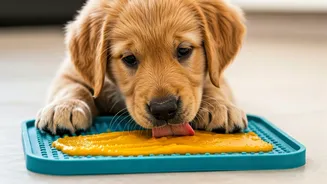
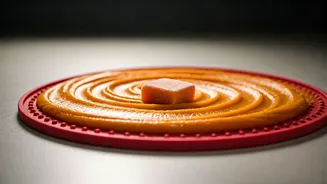
Ready to make some magic? It’s incredibly simple. 1. **Get your gear:** You'll need a silicone lick mat for dogs (available online or at pet stores) and your plain pumpkin puree. 2. **Spread the puree:** Using a spatula or the back of a spoon, spread a thin layer of the pumpkin puree across the textured surface of the lick mat. You don't need to apply a thick coat; the goal is to get the puree into all the nooks and crannies to make your dog work for it. 3. **Freeze it solid:** Place the mat flat in your freezer for at least two to four hours, or until the puree is completely frozen. Freezing is the key step that transforms this from a 5-minute snack into a 20-minute (or longer) activity. 4. **Serve and supervise:** Give the frozen mat to your dog in a comfortable spot where they can lie down and focus. A frozen treat is also a wonderful way to help your dog cool down on a hot Indian afternoon.
Pro-Tips and Variations
Want to take it to the next level? Try these ideas: * **Mix it up:** Swirl in a spoonful of plain, unsweetened dahi (yoghurt) or a mashed banana with the pumpkin before freezing. Both are generally safe for dogs and add extra flavour and nutrients. * **Add some texture:** Sprinkle a few dog-safe seeds like chia or flax on top before freezing for an extra crunch. * **Create layers:** For a more advanced treat, you can freeze thin layers of different ingredients, like pumpkin, then yoghurt, then mashed sweet potato (also dog-safe). * **Know your portion:** A tablespoon or two of pumpkin is plenty for a small- to medium-sized dog. For larger breeds, you can use a bit more. Remember, treats should only make up about 10% of your dog’s daily caloric intake.
Important Safety Reminders
While this is a safe and healthy activity, always keep a few things in mind. Firstly, always supervise your dog with a lick mat, especially if they are a strong chewer. The mat is for licking, not for eating. Once they’ve finished the treat, take the mat away. Secondly, introduce any new food, including pumpkin, to your dog’s diet slowly to avoid digestive upset. Too much of a good thing can lead to tummy troubles. If your pet has any pre-existing health conditions or dietary restrictions, it is always best to consult your veterinarian before adding new foods to their routine.